About Land Capability Assessments: Understanding LCA Services for Septic Systems
Planning to build a home or develop a property without access to a mains sewerage system? Understanding your land’s suitability for onsite wastewater management is an important step before beginning construction. A Land Capability Assessment (LCA) evaluates the soil and site conditions to determine whether land can safely manage wastewater from a proposed septic system.
Septic Land Capability Assessment provides specialised assessment services to help homeowners, property developers, planners, and businesses make informed decisions about onsite wastewater treatment and effluent disposal. With more than 20 years of experience and formal training in geosciences, the business supports clients throughout Victoria with professional site evaluations, soil testing, percolation testing, and assessment reports.
Understanding Land Capability Assessments
About Land Capability Assessments is an important topic for anyone planning a development on land that is not connected to a municipal sewerage network. An LCA examines the ability of a property to accommodate an onsite wastewater treatment and disposal system while protecting public health and the surrounding environment.
The assessment considers several factors, including soil type, soil permeability, land slope, drainage, groundwater conditions, vegetation, and the proximity of waterways or other sensitive areas. These characteristics influence how wastewater can be treated and dispersed through the soil.
A professional assessment helps identify potential limitations and determine appropriate wastewater management options. It can also provide information required by local councils and relevant authorities during planning and permit applications.
By understanding the site’s characteristics before construction begins, property owners can reduce uncertainty, avoid unsuitable system designs, and make better-informed decisions about their proposed development.
Why Is an LCA Important for Septic Systems?
Septic systems are commonly used on rural and semi-rural properties where mains sewerage is unavailable. However, not every property is suitable for every type of wastewater treatment and disposal system.
If wastewater is not properly treated or dispersed, it may create environmental and public health concerns. These can include groundwater contamination, surface water pollution, unpleasant odours, and wastewater surfacing on the property.
An LCA helps evaluate these risks before a system is selected and installed. The findings assist in determining whether the land can support the proposed wastewater arrangements and what measures may be needed to manage site limitations.
For homeowners, the assessment can help establish the feasibility of building on a property. For developers and planners, it provides technical information that supports responsible land-use decisions and the preparation of development proposals.
Explore Professional LCA Services
Choosing suitable LCA Services can help ensure that the land is assessed according to its specific characteristics and the requirements of the proposed project.
Septic Land Capability Assessment provides a range of investigation services to help clients understand their property’s wastewater management potential.
1. Site Evaluation
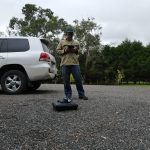
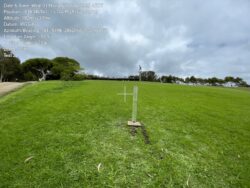
A site evaluation examines the property’s physical characteristics and identifies factors that may affect wastewater treatment and disposal. This may include assessing the slope, available disposal area, drainage patterns, nearby water sources, and existing site features.
The findings help establish the constraints and opportunities that should be considered when planning a septic system.
2. Soil Testing
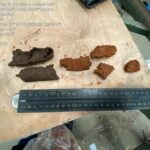
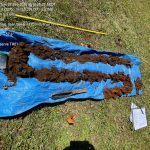
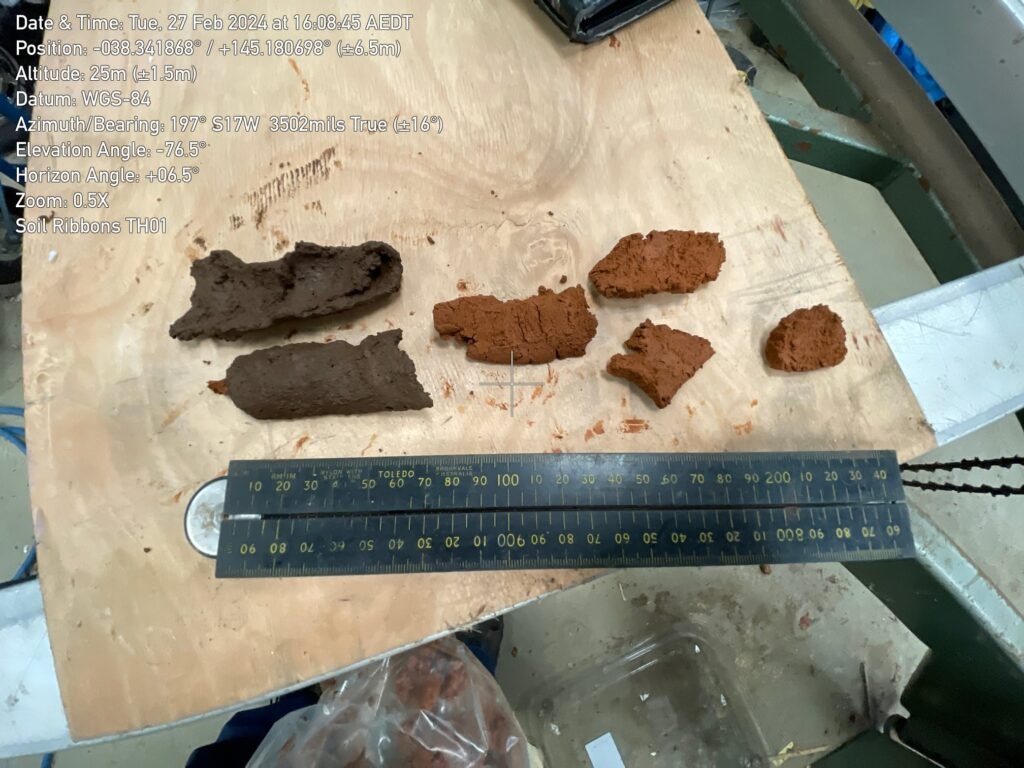
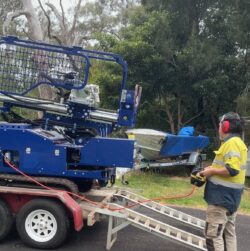
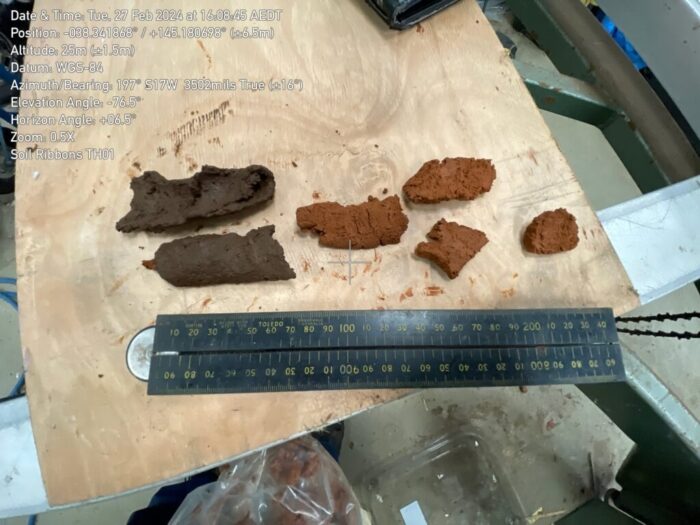
Soil testing provides important information about the composition and characteristics of the ground. Soil texture, structure, permeability, and depth can influence the ability of the land to absorb and treat wastewater.
Understanding these characteristics helps qualified professionals assess suitable effluent disposal options and identify potential risks associated with the site’s soil conditions.
3. Percolation Testing
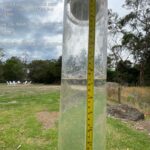
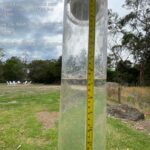
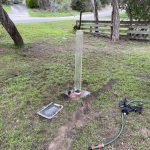
Percolation testing evaluates how quickly water moves through the soil under specified testing conditions. This information helps professionals understand the site’s drainage and absorption characteristics.
The results contribute to the assessment of wastewater disposal options and can help identify whether particular areas of a property may be suitable for effluent dispersal.
4. Assessment Reports
An LCA report brings together relevant site observations, investigation results, and recommendations. Depending on the project, the report may discuss site limitations, wastewater management options, potential environmental risks, and considerations for system design.
These reports can support discussions with designers, planners, and local councils. Specific reporting requirements depend on the property, proposed development, and applicable regulations.
Who Can Benefit from Land Capability Assessment Services?
Professional land capability assessments can assist a variety of property owners and organisations.
Residential homeowners: People planning a new home on an unsewered property may need an assessment to determine whether onsite wastewater management is feasible.
Property developers: Developers can use assessment findings to understand land constraints before finalising subdivision or development plans.
Commercial businesses: Commercial developments may require wastewater assessments based on their anticipated use, wastewater volumes, and site conditions.
Private planners and consultants: Planning professionals can use technical reports to support development applications and address questions about onsite wastewater management.
Councils and public works projects: Assessment information can assist with evaluating proposals and understanding the environmental implications of wastewater disposal.
Engaging an assessment professional early in the planning process can help identify issues before they lead to redesigns, approval delays, or additional expenses.
The Benefits of Choosing Septic Land Capability Assessment
Selecting an experienced assessment provider can make the planning process more straightforward. Septic Land Capability Assessment highlights its geoscience qualifications, industry experience, insurance, and focus on client communication.
Its services are designed to help clients understand their land and the options available for onsite wastewater management.
A site-specific approach is particularly important because soil conditions and environmental constraints can vary considerably between properties. An assessment based on the actual site helps avoid relying on assumptions about how the land will perform.
Professional advice can also help property owners understand the information needed for their project and determine the next steps for planning, system selection, and regulatory approval.
Plan Your Project with Confidence
Whether you are planning a new residential property, a rural development, or a commercial project, understanding your land’s wastewater management capabilities is an important part of responsible development.
Septic Land Capability Assessment offers site evaluations, soil testing, percolation testing, and land capability assessment services to help clients make informed decisions.
To learn more about the available services or discuss your property, visit the official website at https://www.septiclandcapabilityassessment.com.au/ or explore the LCA Services page.
Arranging an assessment early can help identify potential site constraints and provide useful information for planning a suitable onsite wastewater system.
Frequently Asked Questions (FAQs)1. What is a Land Capability Assessment?
A Land Capability Assessment evaluates whether land can safely and sustainably accommodate an onsite wastewater treatment and disposal system. It considers soil characteristics, slope, drainage, groundwater, and environmental constraints.
2. When is a Land Capability Assessment required?
An LCA is commonly required for proposed septic systems on properties without mains sewerage. Requirements depend on the project and the relevant council or regulatory authority.
3. What is included in LCA Services?
Depending on the project, services may include site evaluation, soil testing, percolation testing, assessment of environmental constraints, and preparation of a written report.
4. Why is soil testing important for septic systems?
Soil testing helps determine how the ground may absorb and treat wastewater. This information supports the evaluation of appropriate effluent disposal methods and helps identify potential environmental risks.
5. Who needs a Land Capability Assessment?
Homeowners, property developers, commercial businesses, planners, and other parties proposing onsite wastewater management may benefit from an LCA.
6. Can an LCA guarantee septic system approval?
No. An LCA provides technical information and recommendations, but approval depends on the applicable requirements and the decision of the relevant authority.
7. How can I arrange an assessment?
Visit Septic Land Capability Assessment to learn about the company’s services and contact the team to discuss your property’s assessment requirements.