Jain Upkaran: Understanding the Importance of Traditional Jain Religious Essentials
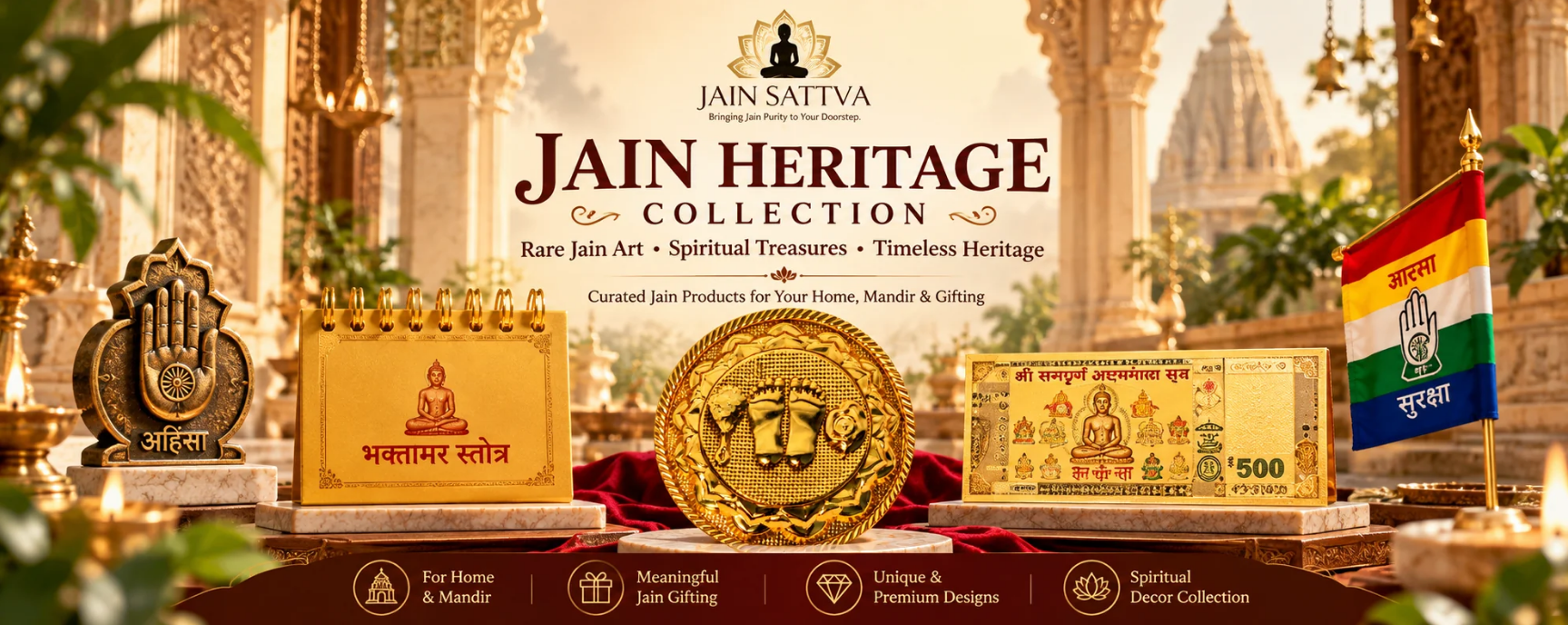
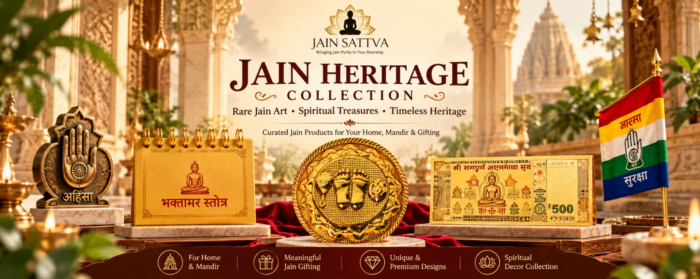
Spiritual traditions often find their expression in the small, meaningful objects used during religious practices. In Jainism, these items are valued not merely for their practical purpose but also for their connection with discipline, devotion, and a mindful way of life. Jain Upkaran refers to religious implements and essentials associated with Jain practices, rituals, and spiritual observances. For those wishing to explore traditional religious products, Jain Upkaran offers a starting point, while Jain Sattva provides an online destination for discovering products inspired by Jain traditions.
Whether you are preparing a home temple, arranging items for religious observances, or learning more about Jain customs, understanding the purpose of these essentials can make the experience more meaningful. Each item should be selected with care, keeping its intended use, traditional significance, and suitability in mind.
Why Jain Upkaran Holds an Important Place in Religious Practices
Jainism emphasises non-violence, self-discipline, truthfulness, non-attachment, and respect for living beings. These principles influence many aspects of religious life, including the way devotees approach worship, study, and daily conduct.
Traditional religious implements help support particular practices and create an organised environment for observance. Depending on the tradition and the purpose, certain items may be used during worship, kept in a dedicated religious space, or associated with specific ceremonies.
Their significance often extends beyond their physical form. For many practitioners, these objects represent continuity with family customs and the teachings passed down through generations.
Understanding the Different Types of Religious Essentials
The particular items used can vary according to the occasion, religious tradition, and individual practice. Some commonly encountered categories include:
- Worship essentials: Items used to prepare and organise a dedicated space for religious observances.
- Sacred books and prayer materials: Resources that support the study of Jain teachings, scriptures, and devotional compositions.
- Religious textiles: Suitable cloths and coverings used in particular settings according to family or community customs.
- Traditional implements: Objects associated with specific Jain practices, selected according to their intended purpose.
- Spiritual artwork: Frames featuring sacred mantras, auspicious symbols, or traditional Jain imagery that help create a meaningful religious environment.
Understanding the purpose of each item is important because not every religious product is intended for every practice. When necessary, buyers should consult knowledgeable practitioners about tradition-specific requirements.
How to Choose Suitable Jain Religious Items
Choosing religious essentials involves more than finding an attractive product. Buyers should consider how an item will be used, whether it follows their customary practices, and whether its construction is appropriate for its purpose.
Important Factors to Consider Before Purchasing
1. Intended use: Identify whether the product is required for daily worship, a particular ceremony, religious study, or a dedicated home temple.
2. Material and craftsmanship: Examine the materials, finish, durability, and suitability of the item for its intended application.
3. Traditional requirements: Some practices follow specific customs. Confirm relevant details with a knowledgeable family member, religious teacher, or community representative.
4. Ease of maintenance: Consider whether the item can be cleaned, stored, and handled appropriately.
5. Practical dimensions: Check the size of the product and ensure it fits comfortably within the intended space.
6. Product information: When shopping online, read descriptions carefully and review the available specifications before placing an order.
These considerations help ensure that a purchase reflects both practical needs and respect for religious traditions.
Jain Sattva: Exploring Traditional Products Online
Finding religious essentials can be easier when different product options are available through an accessible online shopping destination. Jain Sattva provides a platform for exploring products inspired by Jain traditions and discovering items that may suit different personal and household requirements.
Online browsing allows customers to examine product descriptions, compare designs, and consider their choices at a convenient time. It can be particularly useful for people who have limited access to specialised religious stores in their local area.
However, buyers should distinguish between general decorative products and implements intended for specific religious practices. Reviewing the product details and confirming suitability before purchasing can help prevent confusion.
Preparing a Meaningful Home Temple
A home temple does not need to be elaborate to feel welcoming and respectful. A clean, organised space with appropriately selected religious essentials can provide a setting for prayer, reflection, and the study of Jain teachings.
Start by identifying the available space and the practices followed by your household. Arrange items so they remain accessible and are stored appropriately after use. Religious artwork may complement the setting, provided it suits your family’s customs and preferences.
Regular cleaning and careful handling also help preserve religious objects. Keeping the area organised encourages a consistent routine and makes it easier for family members to maintain the space.
Preserving Religious Traditions Through Thoughtful Choices
Religious traditions remain meaningful when their practices are understood rather than followed mechanically. Learning why a particular implement is used can deepen appreciation for its role and the principles associated with it.
Families can support this understanding by explaining traditional practices to younger generations, sharing relevant stories, and encouraging respectful questions. Religious objects may then become useful starting points for conversations about non-violence, restraint, compassion, and personal responsibility.
It is equally important to recognise that Jain communities may differ in certain customs and observances. Respecting these differences allows individuals to make choices that align with their own tradition without assuming that every practice is identical.
Conclusion
Choosing Jain Upkaran thoughtfully can help individuals and families prepare for religious observances, maintain organised spiritual spaces, and preserve meaningful cultural traditions. By understanding an item’s purpose, checking its quality, and considering the customs associated with its use, buyers can make informed decisions that reflect their beliefs. Jain Sattva offers a convenient starting point for exploring products inspired by Jain heritage and considering suitable options for personal or household needs. Ultimately, the value of religious essentials lies not only in their physical form but also in the understanding, care, and spiritual commitment they represent.