Land Capability Assessment Near Me: A Practical Guide for Victorian Property Owners
If you have ever typed “land capability assessment near me” into a search bar, chances are you are facing a deadline. Maybe a council has asked for more information on your building application, or your septic system has stopped working and needs replacing. Either way, you need clear answers quickly. This guide explains what a land capability assessment (LCA) is, when you need one, and what to look for in planning land capability assessment services so your project keeps moving.
What Is a Land Capability Assessment?
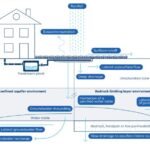
A land capability assessment is a site-specific evaluation of whether a property can safely treat and disperse wastewater on-site. This matters most for properties without access to a sewer connection, where a septic or other on-site treatment system must handle everything the household or business produces.
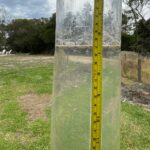
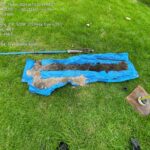
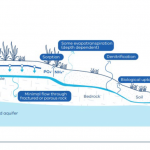
An assessment looks at the land itself, including soil characteristics, drainage, slope, available area, and the environmental sensitivity of the surroundings. The results show which type of system, and which method of effluent dispersal, suits your block. A good report also considers the system’s impact on the environment, which is central to protecting groundwater, waterways, and neighbours.
In Victoria, councils commonly require an LCA as part of permit applications for septic systems, and the assessment should align with relevant Australian Standards and EPA requirements. Exact rules can vary by council and change over time, so confirm current requirements with your local authority.
Four Situations That Lead People to an LCA
Victorian Septic Land Capability Assessments describes four common reasons clients get in touch. You may recognise your own situation.
1. A failed septic system. If your system has failed, you generally need an assessment before you can upgrade or replace it. Failed systems can cause odours, soggy ground, and health or environmental risks, so prompt action is important.
2. A council request for information. When you apply to extend your home or build a new one, council may issue a Request for Information (RFI) asking for an LCA. Responding with a thorough report helps avoid repeated delays.
3. Commercial ventures, small businesses, or subdivisions. Commercial and subdivision proposals often involve higher wastewater loads and more complex approval requirements.
4. Professional consultants and developers. Architects, planners, infrastructure managers, and developers frequently need assessments to support designs and planning submissions.
Why the Quality of the Report Matters
Not all assessments are equally useful. A weak report can trigger council queries, force redesigns, or leave you with a system that does not suit your site. A strong one delivers several benefits:
- Faster approvals. A clear, thorough report answers council questions before they are asked.
- The right system for the site. Matching treatment and dispersal options to real site conditions reduces the risk of failure.
- Environmental protection. A properly designed system protects soil and water quality.
- Fewer surprises. Knowing site limitations early helps you budget and plan realistically.
Understanding System and Dispersal Options
An assessment typically informs the choice of treatment system and how treated effluent is dispersed. Options commonly discussed in Victoria include:
- Aerobic wastewater treatment systems (AWTS), which treat wastewater to a higher standard before dispersal
- Sand filter systems, which add a filtering stage for improved treatment
- Sub-surface irrigation, which disperses treated effluent below the surface
- Amended soil systems, where soil is modified to improve treatment and absorption on challenging sites
The best option depends on soil type, block size, slope, and constraints such as proximity to waterways or bores. This is exactly why a site-specific assessment is more valuable than a generic recommendation.
Searching “Near Me”: What Really Matters
When you search for an LCA provider close to you, proximity is only part of the picture. Consider these factors:
- Coverage of your area. Many assessors work across wide regions, so confirm your location is covered rather than assuming.
- Experience with councils. Familiarity with local council expectations helps reports pass smoothly.
- Compliance expertise. Look for clear adherence to Australian Standards and EPA regulations.
- Communication. Prompt, clear updates matter when you are working to a deadline.
- Scope of work. Check that the report is suitable for your purpose, whether that is a replacement system, a permit application, or a development proposal.
About Victorian Septic Land Capability Assessments
Victorian Septic Land Capability Assessments provides land capability assessments for on-site wastewater treatment systems across Victoria. According to its website, the team prepares expert LCA reports for councils covering on-site wastewater treatment systems and effluent dispersal. Its reports aim to provide a thorough analysis of septic system suitability, analyse the system’s impact on the environment, and ensure compliance with Australian Standards and EPA regulations.
The business highlights three strengths: professional and thorough assessments, adherence to regulations, and timely, clear communication. It serves homeowners, small businesses, developers, subdivisions, and professional consultants, and offers a Victoria-wide service page for clients in different regions.
How to Prepare for Your Assessment
A little preparation can speed up the process:
- Gather property details, such as the address, title information, and boundaries.
- Share your plans, including proposed extensions, new buildings, or the number of bedrooms.
- Include council correspondence, especially any RFI, so the assessor can address specific questions.
- Note existing infrastructure, such as current septic tanks, bores, dams, or waterways.
- Provide site access for fieldwork.
- Allow time for testing, analysis, and report preparation.
Common Mistakes to Avoid
- Waiting until a system fails. Planning ahead gives you more options and lower stress.
- Choosing a system before assessing the site. The land should drive the design, not the reverse.
- Ignoring council requirements. Check what your council needs before commissioning a report.
- Focusing only on price. A cheaper report that is rejected costs more in the long run.
Final Thoughts
An LCA is the evidence that supports your septic design, your council application, and the long-term performance of your property. Whether you are searching for a land capability assessment near me after a failed system or exploring planning land capability assessment services for a new build or subdivision, choose a provider that understands both the science and the approvals process. Get in touch with Victorian Septic Land Capability Assessments through its contact page to discuss your site.
Frequently Asked Questions
1. What is a land capability assessment?It is an evaluation of whether a property can safely treat and disperse wastewater on-site, covering soil, site conditions, and environmental impact.
2. When do I need an LCA?Common triggers include a failed septic system, a council Request for Information, a commercial venture or subdivision, or a professional project requiring an assessment.
3. Does the service cover all of Victoria?The website states that assessments are available Victoria wide.
4. What does the report cover?It provides a thorough analysis of septic system suitability and assesses environmental impact, with compliance to Australian Standards and EPA regulations.
5. Who uses these services?Homeowners, small businesses, developers, and professional consultants including architects, planners, and infrastructure managers.
6. What types of systems might be recommended?Options can include aerobic wastewater treatment systems, sand filters, sub-surface irrigation, and amended soil systems, depending on site conditions.
7. How do I get started?Use the contact page on the website to request an assessment and share your property and project details.