Laser Paint Removal and the Laser Sandblaster: A Cleaner Way to Strip Surfaces
Stripping paint and coatings has always been messy work. Chemical strippers leave hazardous waste, sandblasting fills the air with dust and spent media, and grinding risks scarring the metal underneath. As industrial plants face rising disposal costs, stricter safety rules, and pressure to work cleaner, many are turning to laser paint removal as an alternative. You’ll often hear the technology described as a laser sandblaster, since it does the job sandblasting has traditionally done, without the sand. Here’s how it works, where it fits, and what to consider before adopting it.
How Laser Paint Removal Works
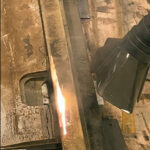
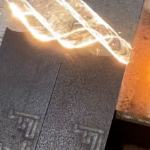
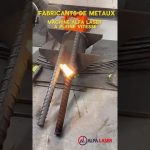
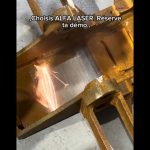
Laser paint removal, also called laser ablation, directs a focused beam of laser light at a painted or coated surface. The coating absorbs the laser energy and vaporizes or flakes away, while the underlying metal reflects most of the energy and is left largely unaffected. Because the beam is controlled and non-contact, the process can be finely tuned to remove a thin topcoat, a full multi-layer system, or contamination such as rust and oxidation.
Compared with traditional methods, the key differences are:
- No abrasive media. There is no sand, grit, or bead to buy, blast, collect, and dispose of.
- No chemical strippers. That means no solvent fumes, no chemical storage, and no toxic runoff.
- Non-contact operation. Nothing physically scrapes or gouges the surface.
- Precise control. Operators can strip selectively, cleaning a weld zone or one coating layer without touching the rest of the part.
Why People Call It a Laser Sandblaster
Sandblasting became the default for paint and rust removal because it works quickly on large areas. But it comes with well-known drawbacks: heavy dust, the need for containment, cleanup and waste handling, potential surface damage, and health risks from airborne particles.
A laser sandblaster keeps the speed and effectiveness people want from blasting while removing most of those drawbacks:
Traditional sandblastingLaser cleaningConsumes abrasive media continuouslyNo consumable mediaGenerates large volumes of dust and wasteMinimal waste, with fumes captured by extractionCan erode or roughen the base metalPreserves the base material when set up correctlyNeeds containment and heavy cleanupCleaner working areaHard to control on delicate or complex partsPrecise and repeatable
The term is shorthand rather than a technical category, but it reflects the way many buyers first think about the technology: as a cleaner replacement for blasting.
Where Laser Paint Removal Is Used
Laser paint removal suits a wide range of industrial tasks, including:
- Coating stripping before repainting or recoating, giving a clean, consistent surface profile
- Pre-weld and post-weld cleaning, removing paint, mill scale, oxidation, and residue near weld zones
- Mold cleaning, clearing baked-on residue from tooling without damaging the mold surface
- Rust and oxidation removal, often combined with paint stripping on the same part
- Maintenance and restoration, from heavy equipment components to structural steel
- Selective removal, where only part of a coating needs to come off
These needs cut across many sectors, including automotive, aerospace, shipbuilding, oil and gas, mining, railway, steel manufacturing, construction, and heavy equipment.
Advantages Beyond Cleanliness
The benefits of switching go beyond a tidier shop floor:
- Lower long-term operating cost. With no media or chemicals to keep buying, the cost per part can fall over time.
- Reduced downtime. Less setup, containment, and cleanup can keep production moving.
- Better workplace conditions. Removing airborne abrasives and solvent fumes improves safety and helps with compliance.
- Consistent quality. Repeatable settings deliver uniform results across parts and shifts.
- Environmental benefits. Less waste to dispose of and no chemical stripping baths.
Things to Consider Before You Buy
Laser cleaning isn’t a magic solution for every job, and it pays to plan carefully:
- Match the system to the work. Handheld units suit spot work and maintenance, while robotic or automated systems suit high-volume production.
- Test your actual parts. Coatings, substrates, and thicknesses vary, so trial cleaning on real samples is the best way to confirm results and settings.
- Plan for safety. Lasers require proper safety training, protective equipment, and fume extraction.
- Think about throughput. For very large surface areas, check that the speed of the system fits your production targets.
- Weigh purchase options. Buying, leasing, and renting each suit different stages of adoption.
- Check technical support. Training, parameter development, and ongoing service make a big difference to results.
Alfa Laser: Canadian-Built GreenBlast™ Systems
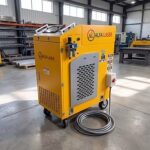
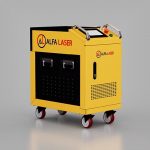
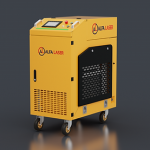
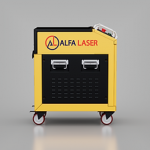
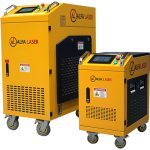
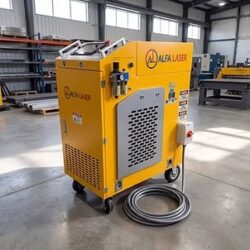
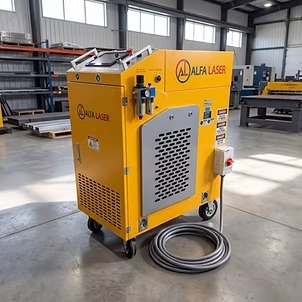
Alfa Laser, based in Montreal, Quebec, is a Canadian manufacturer of industrial laser cleaning machines, founded by laser and photonics experts. Its GreenBlast™ line serves manufacturing plants across Canada and the USA, covering everything from handheld and manual units to fully robotic and automated systems.
What Alfa Laser offers:
- Continuous, pulsed, robotic, and automated or customized laser cleaning machines, to suit different production needs
- Industrial laser paint removal, rust removal, mold cleaning, and welding residue removal
- A complete solution, including PPE, fume extraction, consulting, onsite training, laser safety training, priority technical support, and parameter development
- Custom validation trials, where prospective customers can send in contaminated or coated parts for lab testing so the right laser recipe can be developed before purchase
- A field technical team supporting installation, training, and operation
- Flexible purchase programs, including outright purchase, lease-to-own, and short- or long-term rental
- Experience across heavy industry, including automotive, aerospace, shipbuilding, oil and gas, mining, railway, and nuclear energy
For manufacturers wondering whether a laser sandblaster can replace their current stripping process, the validation trial offers a practical way to see results on their own parts before committing.
Final Thoughts
Laser paint removal has moved from a niche technology to a serious option for industrial surface preparation, offering a cleaner, more precise alternative to chemical stripping and abrasive blasting. Thinking of it as a laser sandblaster captures much of its appeal: the effectiveness of blasting without the sand, the dust, or the chemical waste. With a full range of GreenBlast™ systems, hands-on training, and sample testing, Alfa Laser gives Canadian and American manufacturers a low-risk way to evaluate whether laser cleaning fits their operation.
Frequently Asked Questions (FAQ)
1. How does laser paint removal work?A focused laser beam is absorbed by the paint or coating, causing it to vaporize or flake away, while the underlying metal reflects most of the energy and remains largely unaffected.
2. What is a laser sandblaster?It’s an informal name for a laser cleaning system, describing the way it does work traditionally done by sandblasting, such as removing paint and rust, without abrasive media.
3. Will laser paint removal damage the metal underneath?When settings are chosen correctly, the process preserves the base material, since the metal reflects the laser energy differently than the coating does.
4. Does laser paint removal create waste?It creates no chemical waste and uses no abrasive media. Vaporized particles are typically captured with a fume extraction system.
5. Can I test my own parts before buying?Yes, Alfa Laser offers custom validation trials where you can send in coated or contaminated parts for lab testing and parameter development.
6. What types of laser cleaning machines does Alfa Laser offer?Its range covers continuous, pulsed, robotic, and automated or customized laser cleaning machines.
7. Can I rent or lease a system instead of buying?Yes, Alfa Laser offers outright purchase, lease-to-own, and short- or long-term rental options.
8. What safety measures are needed?Laser cleaning requires proper training, protective equipment, and fume extraction, and Alfa Laser provides onsite and laser safety training as part of its solution.