M10hardware: How to Choose Construction Tools and a Tool Supplier You Can Trust in the Philippines
Every building starts the same way: with people, plans, and tools. A contractor can have the best drawings in the world, but if the equipment on site is unreliable, work slows, costs climb, and quality suffers. In the Philippines, where residential developments, commercial projects, and infrastructure works are constantly underway, the demand for dependable equipment has never been higher. That makes two decisions especially important: which construction tools in the Philippines you invest in, and which tool supplier in the Philippines you rely on to provide them. M10hardware, at m10hardware.com, supplies practical hand and power tools for professionals and builders who need equipment that performs. This guide explains what to look for.
The Real Cost of Choosing the Wrong Tools
It is tempting to buy the cheapest option, especially when outfitting a crew or stocking a workshop. But low-quality tools often cost more in the long run:
- Frequent replacement. Tools that bend, crack, or wear out quickly must be bought again and again.
- Lost time. A failing drill or dull cutter slows the entire team and can delay project milestones.
- Poor workmanship. Imprecise tools lead to uneven cuts, loose fittings, and rework.
- Safety risks. Slipping wrenches, snapping bits, and unstable equipment can cause injuries.
- Hidden downtime. Waiting for a replacement during a busy job can cost far more than the tool itself.
Choosing durable, well-made equipment is therefore not a luxury. It is a practical way to protect schedules, budgets, and people.
Essential Categories of Construction Tools
A well-equipped site typically relies on several families of tools, each serving a different purpose.
Hand tools. Hammers, pliers, screwdrivers, chisels, measuring tapes, and levels remain the backbone of daily work. They need to be comfortable, accurate, and tough enough for repeated use.
Wrenches and fastening tools. Combination wrenches, adjustable wrenches, sockets, and torque tools secure everything from scaffolding to steel connections.
Drilling and cutting tools. Drills, drill bits, saws, grinders, and cutting discs are used constantly for concrete, metal, and wood.
Measuring and layout tools. Squares, spirit levels, laser levels, and tape measures keep work straight, square, and accurate.
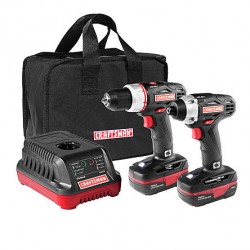
Power tools. Rotary hammers, angle grinders, circular saws, and impact drivers speed up demanding jobs and reduce physical strain.
Safety and support equipment. Gloves, ladders, clamps, and storage solutions keep workers protected and organized.
Understanding these categories helps buyers plan purchases sensibly rather than collecting random items.
What Makes Construction Tools Hold Up in Philippine Conditions
The environment matters. The Philippines is warm and humid for much of the year, with heavy rain during the wet season and salty air along its coasts. These conditions are tough on equipment, so look for tools with:
- Quality materials. Alloy steels with proper heat treatment resist bending, chipping, and wear.
- Corrosion protection. Coatings and platings help prevent rust in humid or coastal settings.
- Reliable construction. Solid joints, secure handles, and well-machined parts last longer under daily strain.
- Ergonomic design. Comfortable grips reduce fatigue during long working days.
- Suitable power ratings. Power tools should match the demands of concrete, steel, and other tough materials.
Storage matters too. Keeping tools dry, cleaning them after use, and lightly oiling metal surfaces will extend their life considerably, whatever the brand.
Why the Supplier Matters as Much as the Tool
Many buyers focus entirely on the product and overlook who provides it. Yet a good supplier shapes your entire experience. When choosing a tool supplier in the Philippines, consider the following:
- Product range. A supplier who stocks many categories saves you from shopping around for each item.
- Consistent quality. Reliable suppliers carefully select what they sell, so you can trust each purchase.
- Clear information. Accurate product descriptions and specifications help you buy the right item the first time.
- Fair pricing. Value matters more than the lowest price. Look for honest pricing relative to quality.
- Easy ordering. Convenient online ordering is especially helpful for contractors and businesses outside major cities.
- Responsive service. Quick answers to questions and help with issues make a real difference.
- Dependability over time. A supplier you can return to for restocking is worth far more than a one-off bargain.
For contractors managing multiple projects, a dependable supplier effectively becomes part of the team.
Who Benefits From a Reliable Tool Supplier?
A broad range of buyers across the country depend on good equipment:
- General contractors and builders equipping crews for residential and commercial projects
- Carpenters, masons, and electricians who rely on specialist tools for their trades
- Maintenance and facilities teams keeping buildings and plants in working order
- Hardware retailers and resellers seeking dependable stock for their own customers
- Engineers and project managers specifying equipment for site operations
- Homeowners and DIY enthusiasts tackling renovations, repairs, and improvement projects
Each group has different needs, but all share a requirement for tools that work as expected.
Smart Buying Tips for Builders and Businesses
A few habits can help you get the most from your tool budget:
- Match tools to tasks. Using the right tool for the job protects both the tool and the work.
- Buy quality for daily-use items. Prioritize durability for tools used constantly, such as drills, wrenches, and measuring tools.
- Standardize where possible. Using compatible batteries, bits, and accessories simplifies maintenance and reduces waste.
- Plan purchases in advance. Ordering ahead of major projects avoids last-minute compromises.
- Maintain your equipment. Regular cleaning, inspection, and proper storage prevent early failures.
- Keep spares of consumables. Cutting discs, drill bits, and blades wear out and should always be on hand.
These practices lower long-term costs and keep work moving.
How M10hardware Supports Builders
M10hardware focuses on practical, dependable tools for people who actually use them. By offering a curated selection and an easy online experience through m10hardware.com, the business helps contractors, tradespeople, and individuals find equipment without wasting time searching in multiple places. The emphasis is on durability, usability, and everyday value, qualities that matter far more on a job site than flashy features.
Final Thoughts
Strong projects are built on strong preparation, and that begins with the right equipment and the right partner. Take time to compare options, prioritize quality in the tools you use most, and choose a supplier you can rely on for the long term. To explore construction tools in the Philippines or find a dependable tool supplier in the Philippines, browse the range at M10hardware and equip your team to work with confidence.
Frequently Asked Questions (FAQ)
1. What types of construction tools should every site have? Most sites need hand tools, wrenches and fasteners, drilling and cutting tools, measuring equipment, power tools, and basic safety gear.
2. How can I tell if a tool is good quality? Look for solid materials, proper corrosion protection, precise machining, comfortable design, and positive feedback from professional users.
3. Why does humidity matter when choosing tools in the Philippines? Humid and coastal conditions accelerate rust, so corrosion-resistant finishes and proper storage help tools last longer.
4. What should I look for in a tool supplier? Seek a wide product range, consistent quality, clear information, fair pricing, easy ordering, and responsive customer service.
5. Can I order tools online from M10hardware? Yes. You can browse the range and place orders through m10hardware.com, which is convenient for buyers across the Philippines.