Septic Tank Cleaning Echuca and Pipe Inspection Echuca: Protect Your Property Before Problems Start
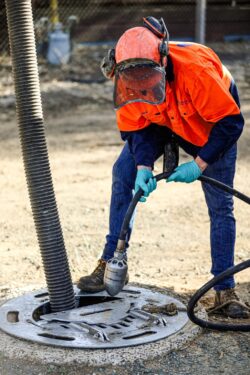
Most drainage and septic problems don’t arrive without warning. A slow drain here, a faint smell there, or a soggy patch in the yard is often the first sign that something below ground needs attention. Regular septic tank cleaning Echuca property owners schedule keeps your system working properly, and professional pipe inspection Echuca services show exactly what is happening inside your pipes before a small fault turns into an expensive repair.
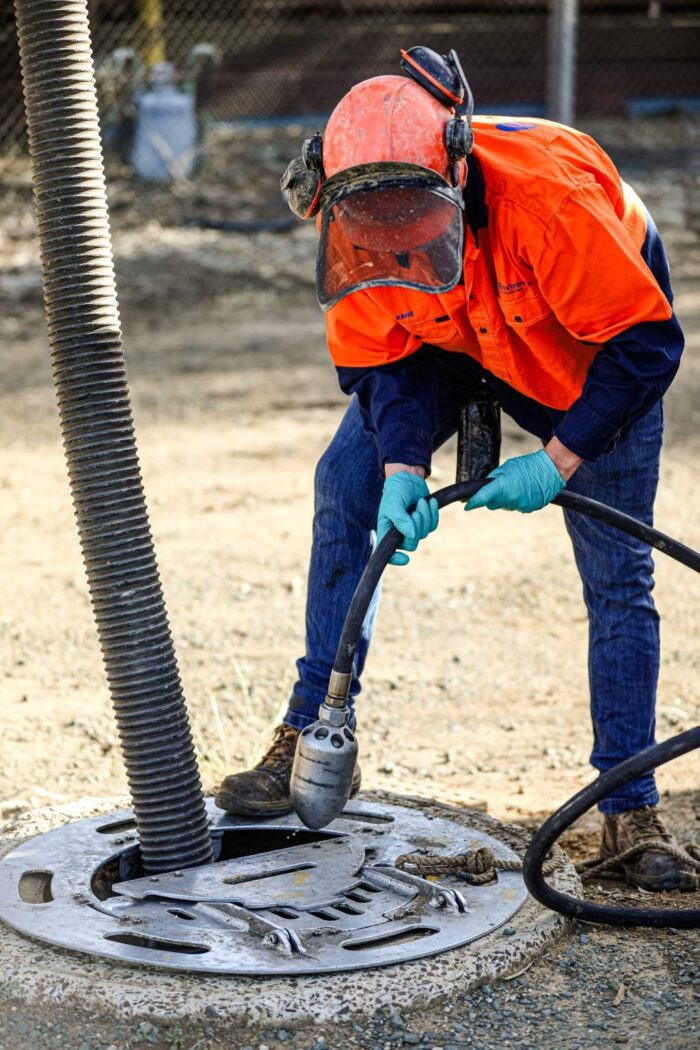
At Envirovac Industries, a second-generation, family-owned business with more than 30 years of experience, we help residential, commercial, industrial, and rural customers across the Echuca-Moama region. This article explains why maintenance matters, how camera inspections work, and what you can do to avoid unpleasant surprises.
How a Septic System Works
A septic system treats household wastewater on your property. Wastewater flows into a septic tank, where solids settle to the bottom as sludge and fats and oils float to the top as scum. The liquid in the middle then drains into a disposal area, where the soil filters it.
Over time, sludge and scum build up. If the tank is not emptied regularly, solids can escape into the disposal area, clog the soil, and cause backups.
Why Septic Tank Cleaning Matters
Regular cleaning is the simplest way to protect your system.
- Prevents blockages and backups: A tank that is not overfull can do its job properly.
- Protects the disposal area: Replacing a clogged absorption area is costly.
- Reduces odours: A well-maintained system is less likely to cause smells.
- Safeguards health and environment: Overflowing wastewater is unpleasant and can contaminate land and water.
- Saves money: Routine servicing is usually cheaper than emergency repairs.
- Extends system life: Good care helps your system last longer.
How Often Should a Septic Tank Be Cleaned?
There is no single answer. Frequency depends on tank size, household size, water use, and the type of system. Many tanks need emptying every few years, but heavy use or a small tank can mean more often. Your local council or a professional can advise on a suitable schedule.
Warning Signs Your Tank Needs Attention
- Slow drains throughout the property
- Gurgling sounds from pipes
- Unpleasant smells around the tank or yard
- Wet or soggy ground near the tank or disposal area
- Toilets or sinks backing up
- Unusually green, lush grass over the tank area
If you notice any of these, call a professional. Do not open or enter a septic tank yourself, because the gases inside can be dangerous.
What Is Pipe Inspection?
A pipe inspection, often called a CCTV inspection, uses a small waterproof camera on a flexible cable to look inside your pipes. As the camera travels through the line, a live video feed shows the condition of the pipe on a screen, and the operator can record footage and note exactly where any problem sits.
It is the most accurate way to find out what is going on underground, without digging up your garden, driveway, or floors.
What Can a Pipe Inspection Reveal?
- Blockages: Grease, debris, and foreign objects.
- Tree root intrusion: Roots entering through joints and cracks.
- Cracks and breaks: Damage from age, ground movement, or heavy loads.
- Collapsed or misaligned sections: Pipes that have shifted or sunk.
- Corrosion and scale build-up: Narrowing that restricts flow.
- Faulty connections: Poorly joined or damaged junctions.
- Source of recurring problems: Pinpointing why a drain keeps blocking.
When Should You Book a Pipe Inspection?
- Repeated blockages in the same drain
- Unexplained odours or damp patches
- Before buying a property: Know the condition of the drains before you commit.
- After a major clean: Confirm the line is clear and in good condition.
- Before relining or repairs: The camera shows exactly what is needed.
- Slow drains with no obvious cause
- After storms or heavy rain if you suspect damage
Why Inspection and Cleaning Work Well Together
Cleaning removes the build-up, and inspection shows the pipe’s condition. Used together, they give you a complete picture: what was blocking the line, why it happened, and what needs to be done to stop it happening again. This approach avoids guesswork and helps you spend money only where it is needed.
Simple Ways to Protect Your System
- Pump your tank on schedule.
- Only flush toilet paper and human waste. Wipes and sanitary products do not break down.
- Keep fats and oils out of the sink.
- Use drain strainers to catch food scraps and hair.
- Spread out water use, such as laundry loads, across the week.
- Keep trees away from tanks, pipes, and disposal areas.
- Use gentle cleaning products to protect the natural bacteria in your tank.
- Keep records of servicing and inspections.
Choosing a Local Specialist
Look for a provider with proven experience, proper equipment, and clear communication. A local, family-owned business understands regional conditions, including soil types, ageing infrastructure, and rural property needs. Experience across septic waste removal, drain cleaning, CCTV pipeline inspections, pipe relining, hydro excavation, and grease trap cleaning also means problems can be handled from start to finish.
Final Thoughts
Prevention is almost always cheaper than repair. Scheduling septic tank cleaning Echuca residents and businesses can trust keeps your system healthy, and a professional pipe inspection Echuca services provide gives you clear answers when something does not seem right. Watch for early warning signs, follow good habits, and bring in an experienced team when you need one.
To learn more about Envirovac Industries and our services, visit envirovacindustries.au.
Frequently Asked Questions
1. How often should I have my septic tank cleaned?It depends on tank size, household size, and water use. Many tanks need servicing every few years, so ask a professional for advice on your system.
2. What are the signs my septic tank is full?Slow drains, gurgling pipes, bad smells, soggy ground, and backing-up toilets or sinks are common warning signs.
3. Can I clean my septic tank myself?No. Septic tanks contain dangerous gases and should only be serviced by trained professionals.
4. What is a pipe inspection?It is a camera inspection where a small waterproof camera travels through your pipes to show their condition and locate problems.
5. Does a pipe inspection involve digging?No. The camera is fed through existing access points, so you avoid unnecessary excavation.
6. When should I book a pipe inspection?Book one if you have repeated blockages, bad smells, slow drains, or are buying a property or planning repairs.
7. Can inspection and cleaning be done together?Yes. Cleaning clears the line and inspection confirms its condition, giving you a complete picture.
8. How can I prevent septic and drain problems?Pump your tank regularly, avoid flushing wipes and pouring fats down drains, use strainers, spread out water use, and keep tree roots away from pipes.