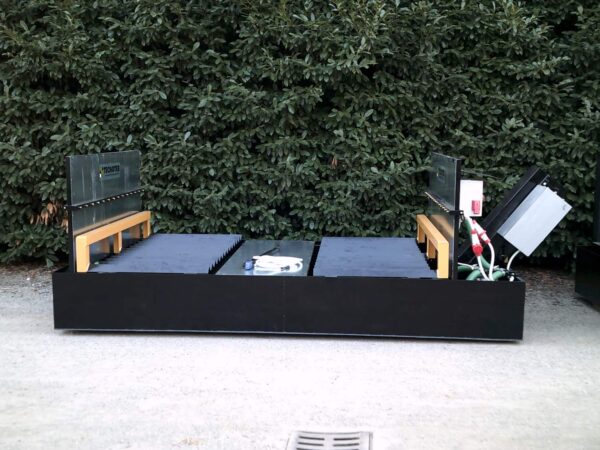
Tecnoter Group: Solving Site Contamination with Effective Wheel Washing
Every truck that leaves a construction site, quarry, or mine carries something with it besides its load: mud, dust, and debris stuck to its tires and undercarriage. Left unmanaged, this simple fact causes real problems — dirty public roads, regulatory violations, safety hazards, and strained relationships with neighboring communities. Tecnoter Group, available at tecnotergroup.com, addresses this exact challenge with engineered wheel washing systems, helping operators keep contamination where it belongs: on site.
Why Wheel Washing Has Become a Non-Negotiable Requirement
Track-out — the mud, dirt, and debris carried off-site on vehicle tires — is one of the most visible and most cited compliance issues on construction and industrial sites. It isn’t just a cosmetic nuisance. Tracked mud on public roads creates slip hazards for other vehicles, contributes to airborne dust once it dries, and can carry sediment into drains and waterways during rain.
Regulators in many regions now require sites to demonstrate active track-out prevention as a condition of their operating permits. This has pushed wheel washing from a nice-to-have into a standard, expected part of site infrastructure for:
- Construction and demolition sites, where heavy vehicle traffic constantly moves between muddy work areas and public roads
- Quarries and mining operations, where trucks routinely pick up heavy sediment loads
- Landfill and waste management facilities, where contamination control is closely tied to environmental compliance
- Agricultural operations, where equipment movement between fields and roads can spread mud, debris, and biological material
For all of these sectors, a properly functioning wheel washing system isn’t just about compliance — it’s about protecting the surrounding community and avoiding costly cleanup, fines, or project delays.
How a Wheel Washer Actually Works
A wheel washer is a dedicated piece of equipment engineered to remove mud, dirt, and debris from vehicle wheels and undercarriages before those vehicles leave a site. While designs vary, most systems share a common set of core functions:
- Vehicle detection or entry — The vehicle drives into or over the wash system, either automatically triggered or manually operated
- High-pressure water application — Jets or spray bars direct water at the wheels, tires, and sometimes the undercarriage to dislodge stuck-on material
- Rotation or drum mechanisms — Some systems rotate the wheels through the wash cycle to ensure full coverage around the tire
- Water recycling and sediment separation — Used water is typically captured, filtered, and recirculated rather than discharged untreated
- Drainage and containment — The system channels dislodged mud and water into a containment area for proper disposal or treatment
The goal across all of these components is the same: ensure a vehicle leaves the site with clean wheels, without wasting excessive water or creating a new contamination problem in the process.
Types of Wheel Washing Systems
Not every site has the same needs, and wheel washing systems are generally available in a few different configurations:
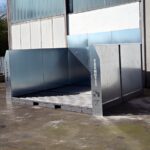
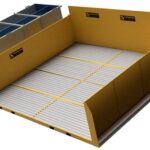
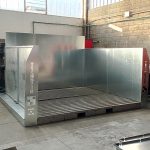
- Ramp or grid-based systems, where vehicles drive over a raised platform that sprays and drains simultaneously
- Rotating drum systems, which physically rotate the wheels through a wash cycle for thorough cleaning
- Automated systems with sensors, minimizing water use by only activating when a vehicle is detected
- Manual or semi-automated systems, offering a lower-cost entry point for smaller sites with lighter traffic
Choosing between these options typically comes down to site traffic volume, budget, available space, and the level of automation a project requires.
Why Water Management Matters as Much as the Wash Itself
A wheel washer that simply sprays water without proper containment and recycling can create as many problems as it solves — wasting water and generating new runoff that still needs to be managed. This is why Tecnoter Group approaches wheel washing as part of a broader water management system, not an isolated piece of equipment.
Key benefits of a well-integrated system include:
- Reduced fresh water consumption through filtration and recirculation
- Controlled sediment disposal, preventing contaminated water from reaching drains or waterways
- Lower long-term operating costs, since less water needs to be sourced and disposed of
- Consistent compliance, meeting environmental discharge standards over the life of a project
Choosing the Right Wheel Washing Solution
When evaluating options, site managers should consider:
- Expected traffic volume — Higher-traffic sites benefit from automated, higher-throughput systems
- Available space and site layout — Some systems require more footprint than others
- Local regulatory requirements — Certain jurisdictions specify minimum standards for track-out prevention
- Portability needs — Sites with multiple locations or temporary projects may benefit from relocatable systems
- Integration with existing water treatment — Ensuring the wheel wash connects properly to broader site containment and treatment infrastructure
Why Choose Tecnoter Group
Tecnoter Group brings an engineering-first approach to wheel washing, designing systems that address the full picture: effective cleaning, water containment, sediment management, and long-term durability under heavy industrial use. Rather than offering a generic spray rig, the focus is on building a system that genuinely solves the track-out problem for the long term.
Final Thoughts
Track-out is a problem no site can afford to ignore, and a properly engineered wheel washer is one of the most effective tools for keeping mud, dust, and debris where they belong. Whether you’re setting up wheel washing for a new construction project or upgrading an aging system at an existing site, Tecnoter Group offers the engineering expertise to get it right. Learn more at tecnotergroup.com.
Frequently Asked Questions (FAQ)
1. Why do construction and mining sites need wheel washing systems? Wheel washing prevents mud, dirt, and debris from being carried onto public roads, helping sites meet environmental and safety regulations while protecting surrounding communities.
2. How does a wheel washer avoid wasting large amounts of water? Most systems capture, filter, and recirculate water through the wash cycle rather than using fresh water for every vehicle, significantly reducing overall consumption.
3. Can a wheel washing system be automated? Yes. Many modern systems use sensors to detect vehicles and automatically trigger the wash cycle, minimizing water use and operator involvement.
4. Is wheel washing only necessary for large sites? No. Even smaller sites with regular vehicle movement between muddy areas and public roads can benefit from a properly sized wheel washing solution.
5. Does Tecnoter Group offer systems that integrate with existing water treatment infrastructure? Yes. Tecnoter Group designs wheel washing solutions as part of a broader water management approach, ensuring compatibility with containment and treatment systems already in place.































![350-501 Dumps [DUMPSARENA] Exam Success Formula](https://buyerseller.xyz/btabcloud/uploads/2025/02/dumps-1740377522l8p4c-250x131.jpg)