About Land Capability Assessments: A Complete Guide to Land Suitability for Septic Systems in Victor
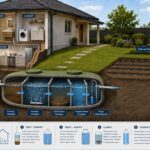
Planning a residential or commercial property development requires careful consideration of soil conditions, drainage, environmental constraints, and wastewater management requirements. For properties that are not connected to a reticulated sewer system, understanding whether the land can support an onsite wastewater management system is particularly important.
A Land Capability Assessment (LCA) helps property owners, developers, and planning professionals evaluate the suitability of land for onsite wastewater treatment and disposal. It provides valuable information about soil characteristics, groundwater conditions, site limitations, and environmental considerations.
If you are researching About Land Capability Assessments, understanding the purpose, process, and benefits of an LCA can help you make informed decisions before starting a development project.
What Is a Land Capability Assessment?
A Land Capability Assessment is a technical investigation that evaluates the ability of a property to accommodate a proposed land use, particularly an onsite wastewater management system.
In Victoria, LCAs are commonly required for properties where wastewater needs to be treated and managed onsite because a connection to a sewer system is unavailable or unsuitable.
The assessment examines several important site characteristics, including:
Soil type and soil texture
Soil permeability and drainage
Groundwater conditions
Land slope and topography
Surface water movement
Vegetation and environmental conditions
Available wastewater disposal area
Potential environmental risks
These factors help determine whether the land is suitable for the proposed wastewater management arrangement and whether additional design considerations are necessary.
Why Are Land Capability Assessments Important?
Land capability assessments are important because wastewater systems must function effectively while protecting the surrounding environment.
1. Protecting Groundwater and Waterways
Poorly designed or incorrectly located wastewater systems can create environmental risks.
An LCA helps identify site conditions that may affect wastewater treatment and disposal, including groundwater vulnerability, drainage limitations, and proximity to waterways.
2. Understanding Soil Suitability
Different soil types have different water absorption and drainage characteristics.
For example, sandy soils may allow relatively rapid water movement, while clay soils can restrict infiltration. Understanding these characteristics is essential when evaluating appropriate wastewater management options.
3. Supporting Development Planning
An assessment provides information that can help property owners and developers understand land constraints before investing in construction.
This is particularly useful for new homes, rural properties, subdivisions, and commercial developments requiring onsite wastewater management.
4. Supporting Regulatory Compliance
Depending on the project, councils and relevant authorities may require an LCA as part of planning or wastewater approval procedures.
A professionally prepared assessment can provide supporting technical information for these processes.
Understanding the Land Capability Assessment Process
The LCA process generally involves several stages, depending on the property and project requirements.
Stage 1: Initial Site Review
The assessment begins with reviewing available information about the property, its proposed development, and any relevant planning requirements.
This helps identify potential constraints and determine the scope of the investigation.
Stage 2: Site Inspection
A site inspection examines the property’s physical characteristics, including:
Existing vegetation
Land slope
Drainage patterns
Nearby waterways
Site access
Available land for wastewater disposal
Surrounding land uses
These observations provide an understanding of the property’s environmental conditions.
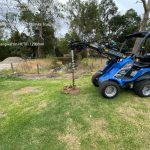
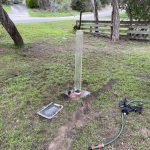
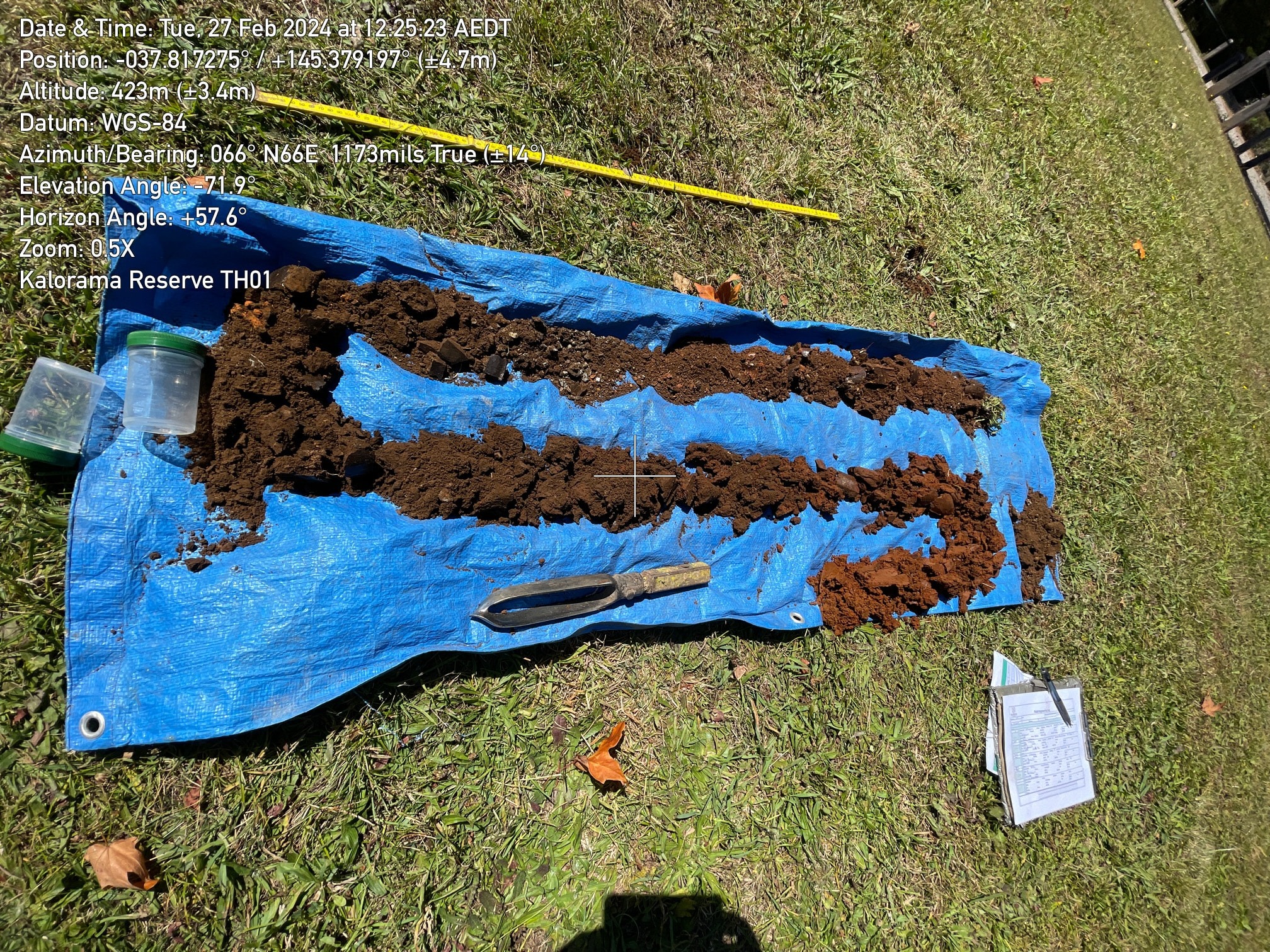
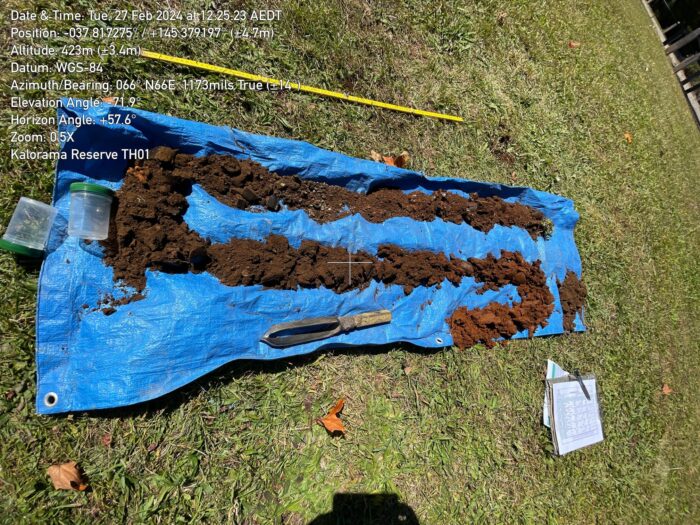
Stage 3: Soil Investigation
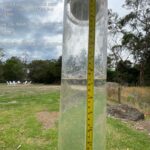
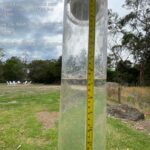
Soil testing is a critical part of an LCA.
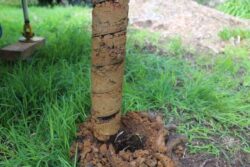
Investigations may include soil profile examination, soil texture assessment, and evaluation of soil structure and permeability.
The results help determine how the soil may respond to wastewater application and whether particular management approaches may be appropriate.
Stage 4: Groundwater and Environmental Assessment
Groundwater conditions, surface water movement, and environmental constraints are considered when evaluating site suitability.
These factors are particularly important for protecting water quality and ensuring appropriate wastewater management.
Stage 5: Report Preparation
The findings are compiled into an assessment report that documents site conditions, relevant limitations, land suitability, and wastewater management recommendations.
The report can assist property owners, designers, and relevant authorities in understanding the site’s capability and development requirements.
Land Capability Assessment Near Me: Finding the Right Professional
When planning a property development, many homeowners search for Land Capability Assessment near me to find professionals who can assess their land and explain the requirements for onsite wastewater management.
Choosing an experienced assessment provider is important because every property has different soil conditions, environmental constraints, and wastewater requirements.
When selecting an LCA provider, consider the following factors:
Experience and Technical Knowledge
Look for professionals who understand soil investigations, onsite wastewater management, and relevant Victorian requirements.
Comprehensive Site Investigations
A reliable assessment should consider the property’s physical characteristics and environmental conditions rather than relying solely on general assumptions.
Clear Reporting
Reports should explain site findings, relevant limitations, and recommendations in a clear and understandable manner.
Understanding Local Requirements
Different councils and properties may have different planning considerations. Familiarity with applicable local requirements can help ensure that the assessment addresses relevant project needs.
When Do You Need a Land Capability Assessment?
An LCA may be required in several situations.
Residential Construction
Homeowners planning a new house on an unsewered property may need an assessment to determine whether the land can accommodate an onsite wastewater system.
Property Subdivision
Subdivision proposals may require an assessment to establish whether individual lots have suitable areas for wastewater treatment and disposal.
Rural Properties
Rural and lifestyle properties frequently rely on onsite wastewater management systems. An LCA helps evaluate whether the available land is suitable.
Commercial Development
Commercial properties requiring onsite wastewater treatment may need assessments to evaluate wastewater requirements and environmental limitations.
The exact requirements depend on the development proposal, property characteristics, and relevant regulatory guidelines.
Common Factors That Affect Land Capability
Several site characteristics influence whether a property can accommodate an onsite wastewater management system.
Soil Permeability: Determines how readily water moves through the soil.
Groundwater Depth: Influences the available separation between wastewater disposal areas and groundwater.
Slope: Steeper land may create drainage, erosion, or wastewater distribution challenges.
Available Land Area: Adequate land is needed for wastewater treatment, disposal, setbacks, and potentially reserve areas.
Environmental Sensitivity: Nearby waterways, sensitive vegetation, and other environmental features may influence site suitability.
Understanding these factors helps property owners plan responsibly and identify potential challenges early.
How Septic Land Capability Assessment Can Help
Septic Land Capability Assessment specializes in evaluating land suitability for septic systems and onsite wastewater management in Victoria.
The company provides assessment services for residential and commercial properties, helping clients understand site conditions, relevant requirements, and appropriate wastewater management considerations.
Property owners seeking Land Capability Assessment near me can explore the company’s website to learn more about its assessment services.
For enquiries:
Email: [email protected]
Phone: 400372763
Conclusion
Land Capability Assessments are an important part of responsible property development, particularly for properties requiring onsite wastewater management.
By examining soil characteristics, groundwater conditions, land slope, drainage, and environmental constraints, an LCA helps determine whether a property is suitable for its intended wastewater management requirements.
Whether you are planning a residential home, commercial project, or property subdivision, understanding land capability before development can help reduce uncertainty and support better planning decisions.
Septic Land Capability Assessment provides comprehensive land suitability evaluations in Victoria, helping property owners understand their land and wastewater management requirements.
Explore the company’s website to learn more about professional assessment services and take an informed step toward your property development project.
Frequently Asked Questions (FAQs)1. What is a Land Capability Assessment?
A Land Capability Assessment evaluates the suitability of land for a proposed use, particularly its ability to accommodate an onsite wastewater management system without unacceptable environmental impacts.
2. Why is an LCA required for septic systems?
An LCA helps determine whether soil, groundwater, drainage, and site conditions are suitable for onsite wastewater treatment and disposal.
3. When should I get a Land Capability Assessment?
It is advisable to arrange an assessment early in the planning process for an unsewered property, especially before finalising development designs.
4. What does a Land Capability Assessment report include?
A report may include site observations, soil investigation results, groundwater considerations, land suitability evaluation, environmental constraints, and wastewater management recommendations.
5. Can an LCA be required for property subdivision?
Yes. An assessment may be required to demonstrate that proposed lots can accommodate suitable onsite wastewater management systems.
6. How do I find a Land Capability Assessment near me?
You can contact Septic Land Capability Assessment through its website to enquire about assessment services and property-specific requirements in Victoria.
7. How long does a Land Capability Assessment take?
The timeframe depends on site conditions, investigation requirements, project complexity, and report preparation. Contact the assessment provider for an estimated project timeline.
8. Does a Land Capability Assessment guarantee council approval?
No. An LCA provides technical information and recommendations, but final approvals depend on the relevant authorities, applicable regulations, and the overall development proposal.