Airport Signage Systems and Digital Display Networks: Guiding Passengers and Powering Brands
Every day, millions of travelers move through airports under pressure. They are checking in, finding gates, catching connections and searching for a place to eat. In that environment, clear communication is essential, and the right visual systems make the difference between a smooth journey and a stressful one.
That is where well-planned airport signage systems and digital display networks come in. Together, they guide passengers, share live information and create valuable advertising opportunities. This guide explains how they work, why they matter and what to consider when planning one.
What Are Airport Signage Systems?
Airport signage systems are the combined set of signs, symbols, maps and visual cues that help people navigate a terminal. They include:
- Directional signs pointing to gates, baggage claim, exits and transport
- Identification signs marking check-in counters, lounges and restrooms
- Regulatory signs covering safety rules, security procedures and restricted areas
- Informational signs such as terminal maps and service guides
- Emergency signs showing exits and evacuation routes
A good system is consistent. Colors, fonts, icons and placement follow a single logic throughout the building, so a first-time traveler can follow it without asking for help.
Why Airport Signage Matters
Airports are crowded, noisy and full of people who speak different languages. Strong signage delivers several benefits:
1. Smoother passenger flow. Clear directions reduce congestion at decision points like junctions, escalators and security checkpoints.
2. Less stress for travelers. Confusion causes anxiety. Simple, visible guidance helps passengers feel in control.
3. Better safety. In an emergency, instantly readable exit signs can save time and lives.
4. Stronger accessibility. High-contrast text, tactile elements and universal symbols make terminals easier for elderly passengers, people with disabilities and non-native speakers.
5. A better airport image. Professional signage tells visitors that the airport is organized, modern and welcoming.
The Rise of Digital Display Networks
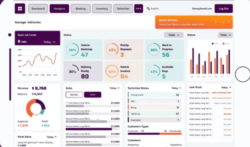
Traditional signs are essential, but they cannot change in real time. Digital display networks fill that gap. A digital display network is a group of connected screens, managed from a central system, that show dynamic content across multiple locations.
In an airport, these networks power:
- Flight information display systems (FIDS) showing departures, arrivals and delays
- Gate and boarding screens
- Wayfinding kiosks and interactive maps
- Digital advertising screens in corridors, lounges and retail zones
- Announcements and emergency alerts
Because content is managed centrally, teams can update hundreds of screens within seconds. If a gate changes, the message appears everywhere it is needed at once.
How Signage and Digital Displays Work Together
The best airports do not treat static and digital signage as separate projects. They blend them into one experience.
Static signs provide permanent, reliable guidance such as exit routes and facility names. Digital screens handle information that changes, such as flight status, promotions and alerts. When designed together, they share the same visual language, so passengers always know where to look.
For example, a fixed sign might direct travelers toward Gates 10 to 25, while a digital screen nearby shows which gates are boarding right now. Each does what it does best.
The Advertising Opportunity
Airports offer one of the most attractive audiences in outdoor media. Travelers often have dwell time, whether waiting to board, passing through security or walking through retail areas. They also tend to be high-value consumers, including business travelers, tourists and frequent flyers.
Digital display networks make advertising in these spaces more effective:
- Flexible scheduling: Run different ads at different times of day
- Targeted messaging: Show relevant offers based on location, such as duty-free promotions near shopping zones
- Quick campaign changes: Update creative without reprinting or reinstalling
- Eye-catching formats: Motion, video and bright displays capture attention better than static posters
- Measurable impact: Many systems allow performance tracking
For airports, advertising also creates a new revenue stream that can help fund improvements.
Key Factors When Planning Airport Signage and Display Networks
A successful project takes careful planning. Consider these areas:
Passenger journey mapping. Study how people move through the terminal, from arrival to boarding, and identify where they need information most.
Readability. Text must be legible from a distance and at a glance. Choose strong contrast, clear fonts and appropriate sizes.
Multilingual support. International airports should present key information in more than one language, supported by universal icons.
Durability and quality. Airport signage must withstand heavy use, constant cleaning and long operating hours. Quality materials and commercial-grade screens reduce long-term costs.
Content management. A reliable, easy-to-use content system is vital. Staff should be able to update messages quickly and schedule content ahead of time.
Compliance. Signage must meet aviation, safety and accessibility regulations that apply in the region.
Scalability. Choose systems that can grow as terminals expand or passenger numbers rise.
Common Mistakes to Avoid
- Overloading signs with too much information
- Using inconsistent symbols or colors across terminals
- Placing signs where crowds or fixtures block them
- Ignoring glare and lighting conditions around digital screens
- Neglecting maintenance, which leads to broken screens and outdated information
Avoiding these issues keeps the system useful and professional over time.
Partnering With the Right Experts
Designing, producing, installing and maintaining these systems takes both creative and technical skill. A partner like Al Rizq Advertising can help organizations plan visible, effective solutions that serve passengers first while supporting brand and advertising goals. The right partner looks at the whole picture, from design and fabrication to installation and ongoing support.
Frequently Asked Questions (FAQ)
1. What are airport signage systems?They are the combined signs, symbols, maps and visual cues that help passengers navigate an airport, covering directions, identification, safety and information.
2. What is a digital display network?It is a group of connected screens managed from one central platform, allowing content to be updated and scheduled across many locations at once.
3. How do digital displays improve the airport experience?They provide real-time information such as flight status, gate changes and alerts, helping passengers make quick decisions and reducing confusion.
4. Can airports earn revenue from digital display networks?Yes. Airports can sell advertising space on screens, giving brands access to a large, engaged audience while creating an additional income source.
5. What makes good airport signage?Clear text, consistent design, universal symbols, strong contrast, logical placement and compliance with accessibility and safety standards.
6. How often should airport signage be updated or maintained?Static signs should be inspected regularly for damage and wear. Digital screens and software need routine checks and updates to stay accurate and reliable.
7. Are multilingual signs necessary?For international airports, yes. Multiple languages and universal icons help all travelers find their way easily.
Conclusion
Airports run on information. Well-designed airport signage systems keep people moving safely and confidently, while digital display networks add real-time updates and powerful advertising potential. When both are planned as one connected system, passengers travel with less stress, airports operate more efficiently and brands reach an audience that is ready to engage.
Ready to improve how your space communicates? Explore what Al Rizq Advertising offers at rizqgroup.com.