Al Rizq Advertising: A Project Manager’s Guide to Getting Signage Right
On most building projects, signage arrives late. The structure is up, the interiors are nearly finished and then someone remembers that visitors will need to find the front door, the lifts and the right office. By then, budgets are tight, schedules are short and the options are limited. The result is often a patchwork of signs that do the job badly and cost more to fix than they would have cost to plan. Treating wayfinding signage systems as part of the design from the start changes the outcome. So does understanding how wayfinding systems move from concept to handover. This guide walks project managers and developers through the process, and shows how Al Rizq Advertising supports it across the UAE.
Why Signage Gets Left Behind
Signage sits between several disciplines. Architects care about the look of the space. Interior designers care about materials and finishes. Engineers care about structure and power. Operators care about how people will actually use the building. Because signs touch all of them, no single team always owns the topic.
When ownership is unclear, decisions drift. Sign positions clash with ceilings and services. Materials do not suit the environment. Names used on signs do not match names used in leases or digital systems. Fixing these problems after installation is slow and expensive.
Start with the Brief
A good brief is the foundation of any signage package. It should explain the purpose of the building, the types of visitors, the main routes and the standards that apply. It should also state the brand and design guidelines, accessibility requirements, languages and any digital elements that need to be coordinated.
Clear information at this stage helps designers and fabricators price accurately and avoid assumptions. It also helps compare proposals fairly, because every bidder works from the same facts.
What Wayfinding Signage Systems Include
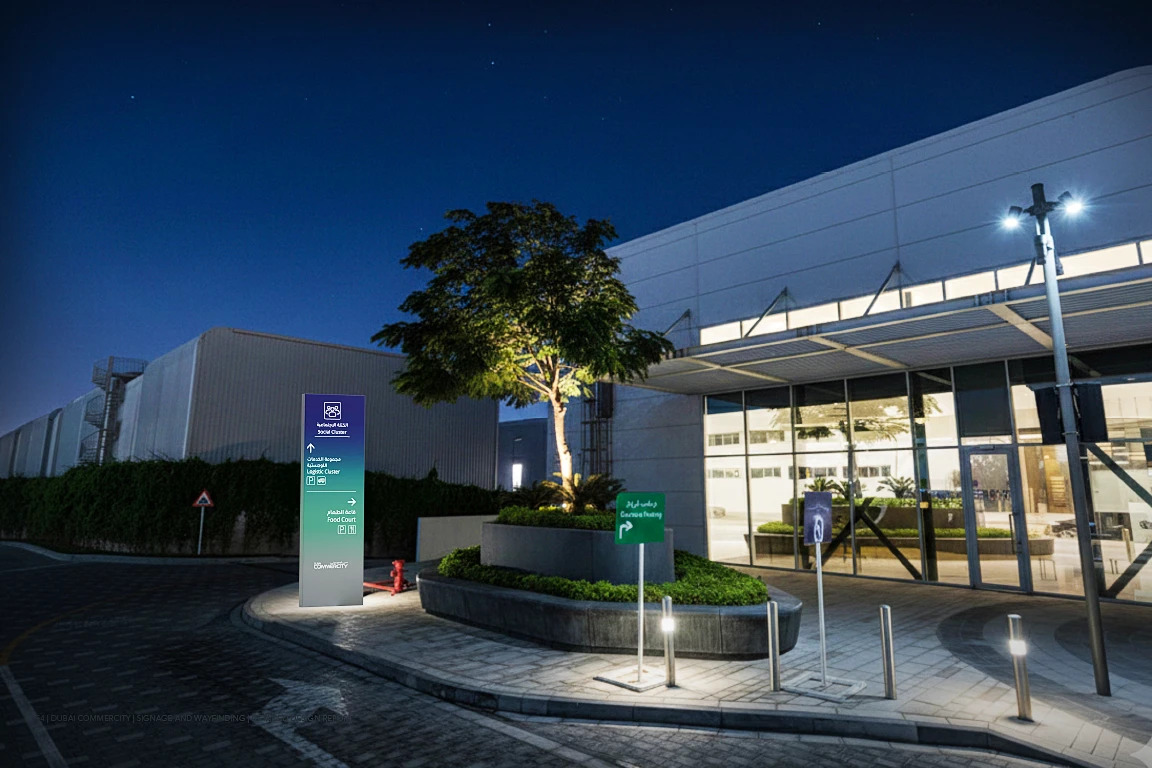
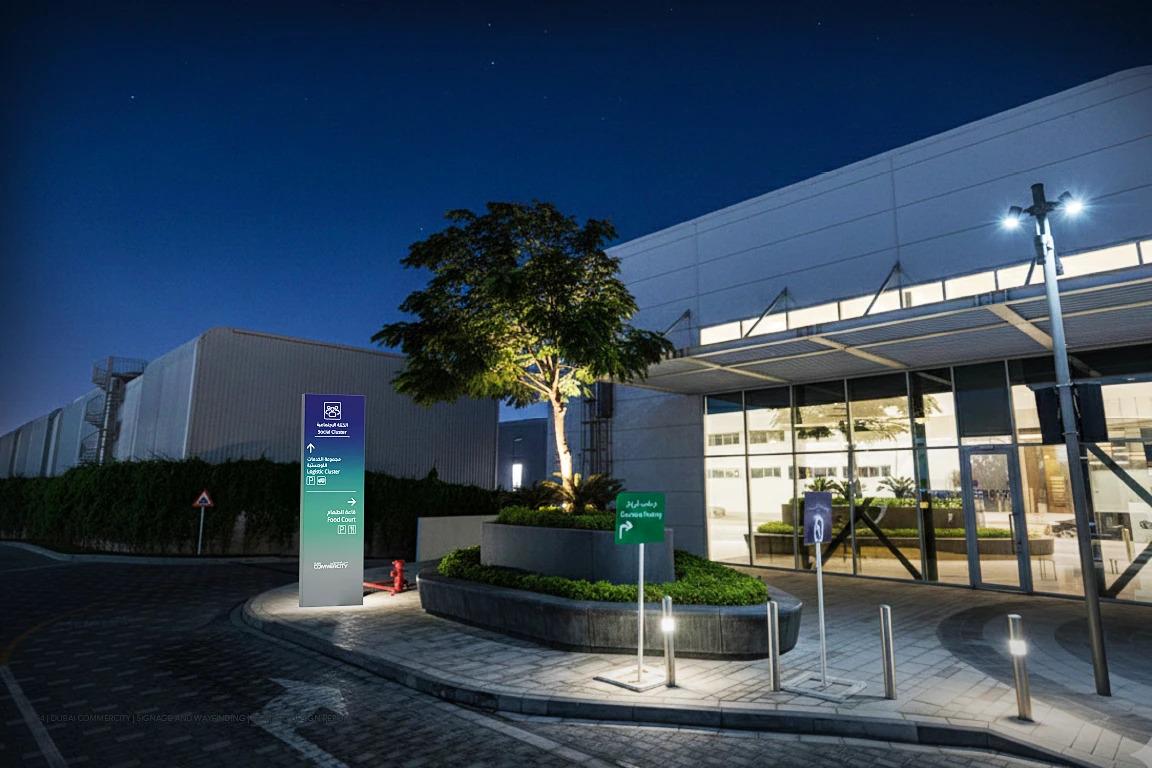
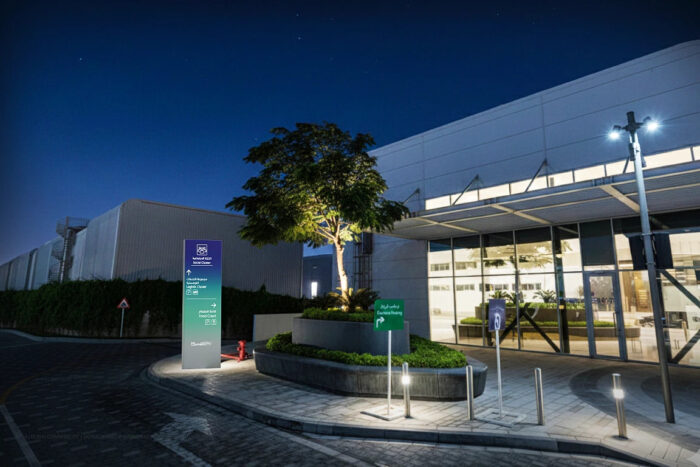
Well-planned wayfinding signage systems are a connected family of signs, each serving a different moment in a visitor’s journey. A typical project includes external identity and entrance signs, car park and arrival signs, directories and maps, directional signs along corridors, level and zone markers, room and facility identification, regulatory and safety signs and tenant or occupier signage that fits the building’s standards.
The system works because the pieces agree with each other. Names, colours, symbols, languages and positions follow the same logic everywhere. A visitor should never have to relearn the system as they move from the car park to the lobby to the lift.
Accessibility and Language
Accessibility is not an extra. It shapes the design from the start. High contrast, readable type, sensible mounting heights, good lighting and clear symbols help everyone. Tactile and braille elements support visitors with visual impairments, and they are included where accessibility standards require them.
In the UAE, language adds another layer. Arabic and English commonly appear side by side, and the layout must work for both reading directions. Universal icons help visitors who read neither language comfortably.
The Role of Wayfinding Systems in Daily Operations
Wayfinding systems do more than guide first-time visitors. They shape daily operations in ways that are easy to overlook. Clear signs reduce questions at reception desks, so staff can focus on more valuable work. They help deliveries and contractors reach the right entrances. They support safety by marking exits and emergency routes. And they protect the reputation of a building, because confusion is one of the most common complaints in visitor feedback.
For asset owners, good signage is also a cost control tool. Fewer enquiries, fewer incidents and fewer last-minute fixes all add up over the life of the property.
Choosing Materials and Finishes
Signs live in demanding places. Exterior signs face sun, heat, dust and humidity. Interior signs face cleaning, touching and constant use. The right materials depend on the setting, the expected lifespan and the design intent.
Key questions include whether the sign will be indoors or outdoors, how often it will be cleaned or touched, what fixings the wall or structure can support, how visible it must be in strong light or at night and how easily it can be updated or replaced. Making these decisions early prevents costly rework and helps the signs look good for longer.
Bridging Design and Delivery
Many projects stumble where design meets reality. A concept that looks perfect on paper may meet problems with materials, structure, services or site conditions. Al Rizq Advertising focuses on closing that gap as a design and build signage and wayfinding specialist.
The team works alongside developers, architects, contractors and signage consultants to translate approved design intent into reliable, well-engineered solutions. Because design development, engineering, fabrication and installation sit within one coordinated framework, there is less room for miscommunication and better control over quality and timelines.
A Structured Delivery Process
Complex projects need clear steps. The process typically begins with project understanding, reviewing requirements, architectural context and approval conditions. Design development and coordination follow, so engineering, materials and site conditions are addressed before fabrication starts. Controlled fabrication and quality checks come next. Installation is carried out in phases, coordinated with other site works. The process ends with documentation and handover.
Phased installation is especially important in buildings that are already in use, such as healthcare campuses, malls and public facilities. Careful planning keeps noise, disruption and safety risks to a minimum.
Experience Across the UAE
Al Rizq Advertising operates in Dubai and Abu Dhabi, with experience across mixed-use developments, institutional facilities, healthcare and education campuses and multi-location commercial rollouts. Its portfolio includes work for well-known destinations and organisations such as One Central, Dubai Safari Park, B1 Mall, Al Shindagha, Etihad Aviation Group and Dubai Municipality.
That range builds practical understanding. Projects with different users, approvals and conditions teach lessons that improve every new job.
Physical and Digital Together
Many modern projects pair permanent signs with digital tools such as interactive directories, information displays and kiosks. These tools work best when they share the same names, colours and logic as the physical signs. The company supports alignment between physical signage and digital wayfinding and digital signage systems, so both layers feel like part of one environment.
Planning power, data and mounting positions early makes digital additions easier and protects the building from rework later.
Why Choose Al Rizq Advertising
Choosing a delivery partner is about trust and reliability. The company offers a design and build approach that reduces gaps between concept and installation. It coordinates closely with consultants, architects and contractors. It aligns engineering and fabrication with project standards. It plans phased installation for busy, live environments. And it supports both physical and digital navigation elements.
For project managers, that means clearer responsibility, fewer surprises and a final result that matches the approved design.
Tips for Project Managers
Bring signage into the design process early. Write a clear brief and share it with every bidder. Agree names and numbering for rooms, levels and zones before design begins. Check accessibility and language requirements at the start. Ask for samples and mock-ups of key signs. Plan installation around other trades. And agree a handover package that includes drawings, maintenance guidance and contact details.
Frequently Asked Questions
1. When should signage be planned?Ideally during concept design, so it can be coordinated with architecture, services and branding.
2. Do you handle design as well as installation?Yes, design development, engineering, fabrication and installation are delivered within one coordinated framework.
3. Is accessibility considered?Yes, tactile and braille signage are included where accessibility standards require them.
4. Can you work with our existing consultants?Yes, the team collaborates with developers, architects, contractors and signage design consultants.
5. Which areas do you serve?Dubai, Abu Dhabi and projects across the UAE.
Conclusion
Good signage is one of the quietest parts of a successful project. When it is planned early, written into the brief and delivered by a coordinated team, visitors find their way easily and operators avoid costly fixes. With a design and build approach, structured delivery and experience across the UAE, Al Rizq Advertising helps project teams turn approved designs into reliable results. Whether you are planning a new development or upgrading an existing one, start with a clear brief and well-planned wayfinding systems.
Visit www.rizqgroup.com to share your requirements with the team.