Al Rizq Advertising: When Physical Signs and Digital Screens Work as One
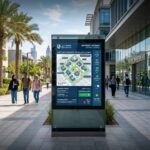
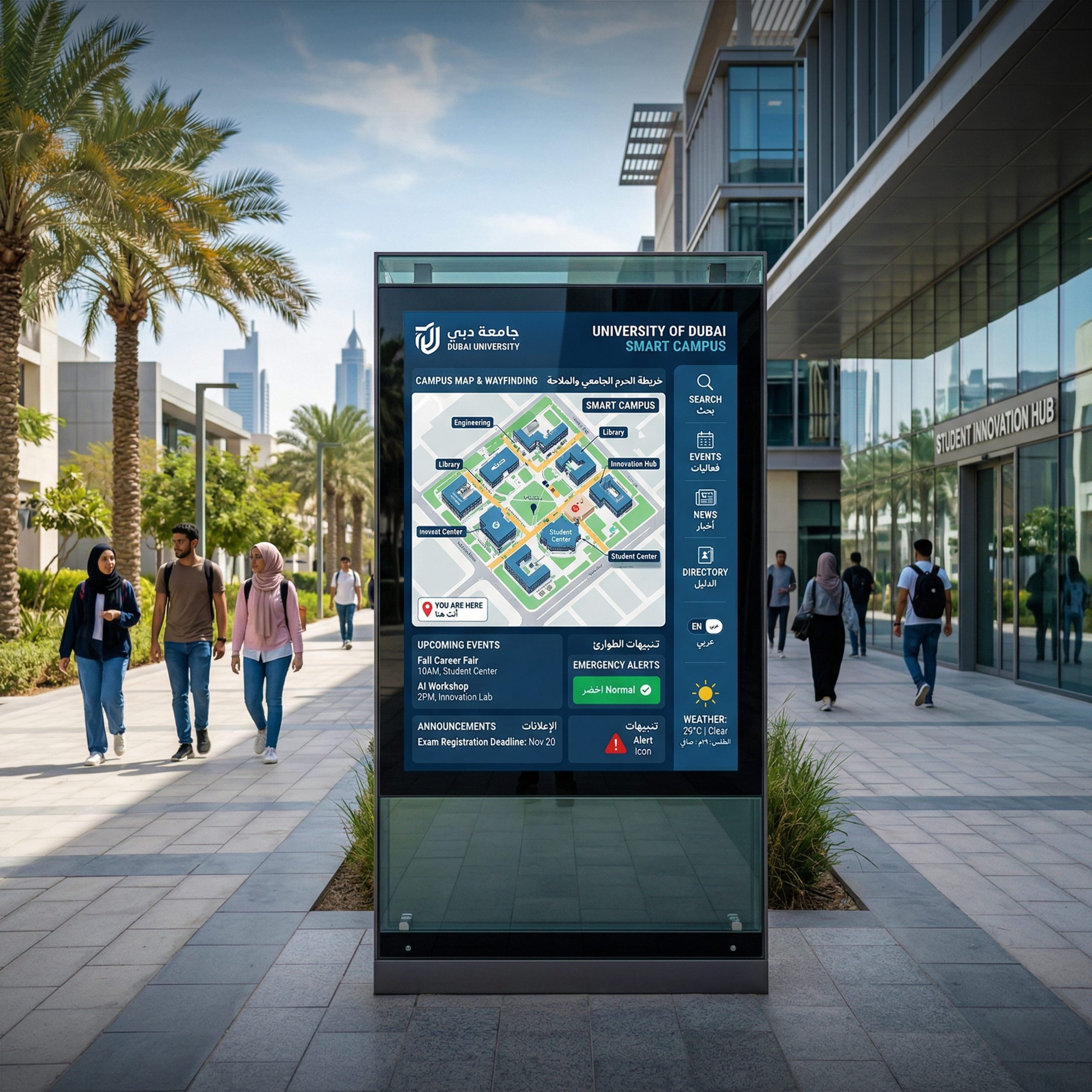
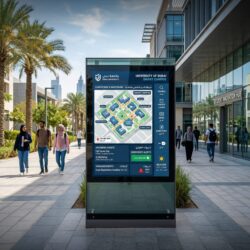
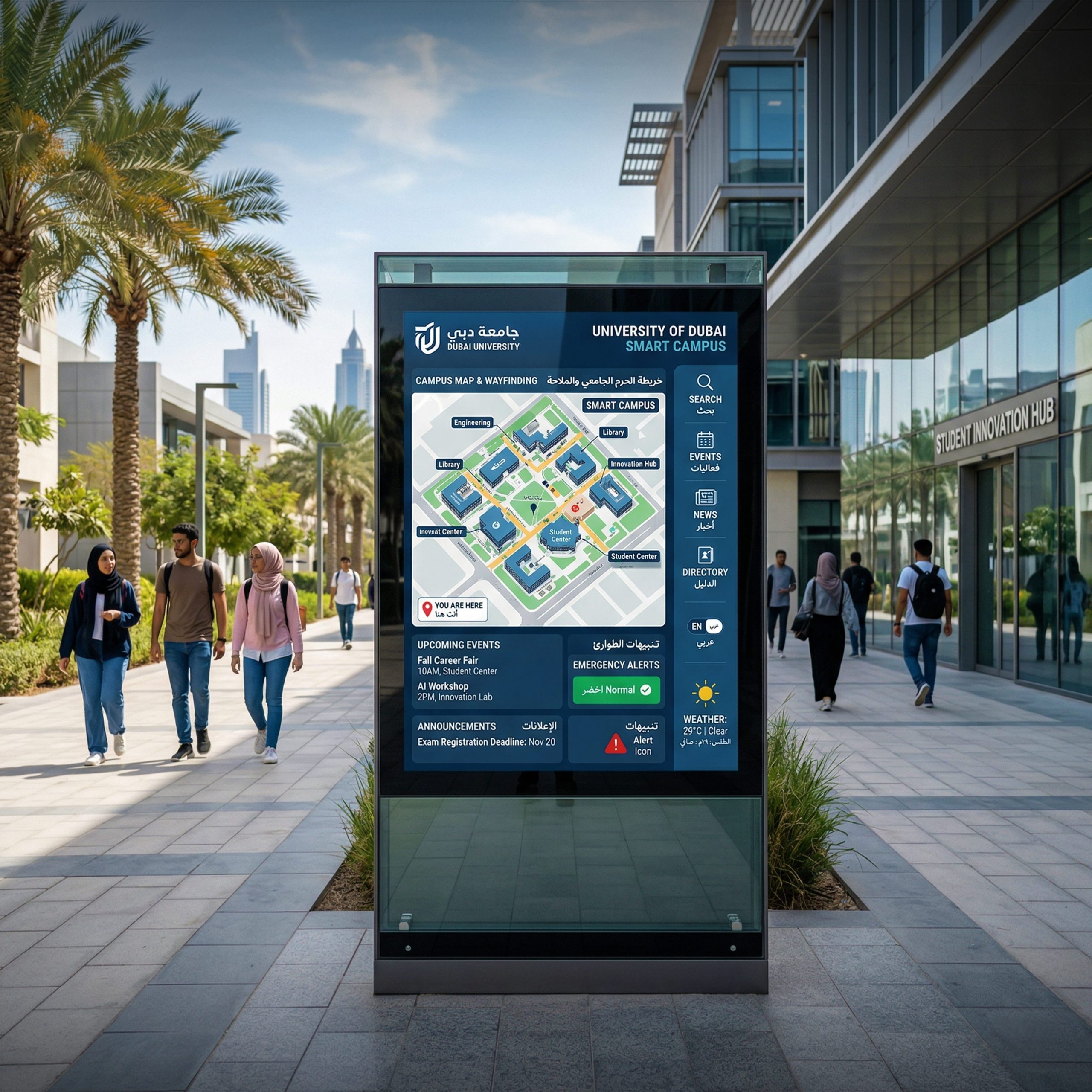
A visitor walks into a large building and sees two kinds of guidance at the same time. On the wall, a sign points towards the lifts. On a nearby screen, a map shows the same lifts, along with today’s events and a message about a temporary closure. If both tell the same story, the visitor feels confident. If they disagree, even slightly, trust drops and people start asking staff for help. This is the challenge facing owners of hospitals, malls, campuses and public buildings. Modern digital signage systems can add live information and flexibility, but they only work well when they match the permanent signs around them. Well-planned wayfinding systems provide that foundation. Al Rizq Advertising helps developers and project teams across the UAE bring the two together.
Two Layers, One Message
Physical and digital signs do different jobs. Permanent signs give stable, reliable guidance. They sit in the same place every day, they do not need power or software and they work even when a screen fails. Digital screens add something that fixed signs cannot, which is information that changes.
Think of a hospital. Fixed signs show the way to departments and wards, and those routes rarely change. A digital directory can show which clinic is on which floor this week, which entrance is closed for maintenance or where a waiting room has moved. Together, the two layers give both stability and flexibility.
The key is consistency. Names, colours, symbols and logic must match across both, so the visitor reads them as one system.
Where Wayfinding Systems Begin
Good wayfinding systems start with an understanding of how people move. Designers study how visitors arrive, where they need to go, where they pause to decide and where they are most likely to feel unsure. Only then do they decide which information is needed at each point.
A clear hierarchy follows. Large signs at entrances introduce the destination. Directories orient visitors to the overall layout. Directional signs lead them along corridors. Identification signs confirm that they have arrived. Each level carries only the information needed at that moment, so visitors are never overloaded.
Accessibility is part of the foundation. High contrast, readable text, sensible mounting heights and tactile or braille elements, where standards require them, help everyone use the building comfortably. In the UAE, clear Arabic and English, supported by universal symbols, make the experience welcoming for residents and visitors alike.
What Digital Adds
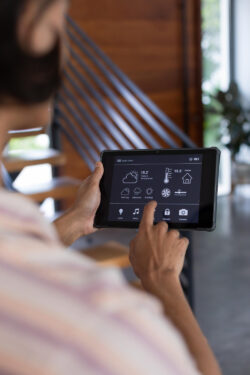
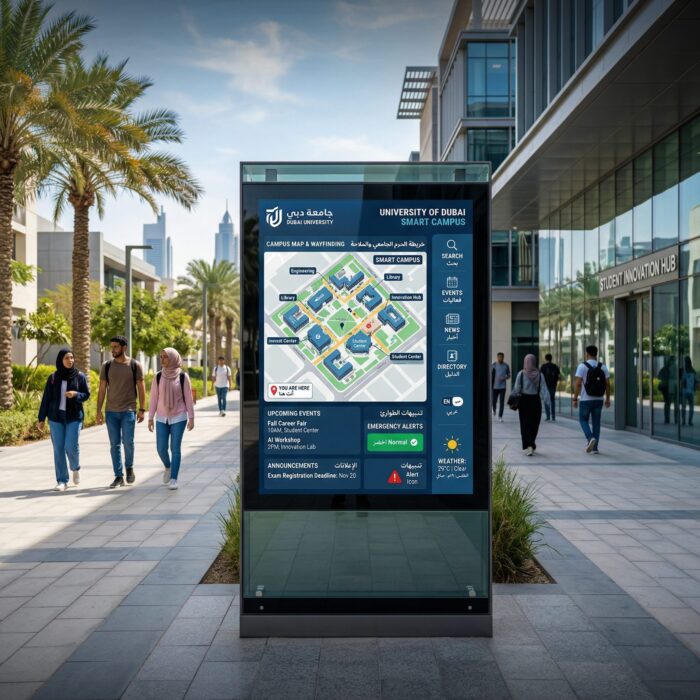
Screens bring useful abilities to a navigation plan. Interactive directories let visitors search for a shop, clinic or office and see the route. Kiosks give self-service guidance without waiting for staff. Information displays share events, notices and alerts. And content can be changed quickly, from one central point, without replacing physical signs.
This flexibility is especially valuable in buildings that change often, such as shopping centres with rotating tenants, campuses with shifting timetables and large public venues that host different events every week. Instead of reprinting signs, the owner updates the screen.
Planning Digital Signage Systems the Right Way
The success of digital signage systems depends on planning as much as on the screens themselves. Several questions deserve early answers. Where will visitors naturally stop and look? What information should appear, and who will keep it up to date? How will the screens be powered, networked and maintained? What happens if one fails or goes offline? And how will the content match the permanent signs nearby?
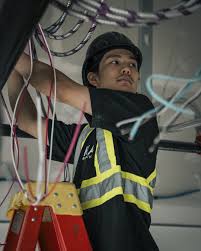
Technology-ready infrastructure is a smart investment. Planning power points, data connections and mounting positions early makes it easier to add or upgrade screens later without cutting into finished walls. That approach protects the building as technology evolves.
Content management is another often-forgotten point. Even the best screen is only as useful as the information shown on it. Assign clear responsibility for updates, so that visitors always see accurate, current information.
Keeping Design and Delivery Together
Many projects stumble where design meets reality. A concept may look excellent on paper but run into problems with materials, structure, site conditions or timing. Al Rizq Advertising focuses on closing that gap as a design and build signage and wayfinding specialist.
The team works alongside developers, architects, contractors and signage consultants to translate approved design intent into reliable, well-engineered solutions. It also supports the alignment of physical signage with digital wayfinding and digital signage elements, so both layers feel part of one environment. Keeping design development, engineering, fabrication and installation within one coordinated framework reduces miscommunication and improves control over quality and timelines.
A Structured Delivery Approach
Complex projects need a clear process. The work typically begins with project understanding, reviewing requirements, architectural context and approval conditions. Design development and coordination follow, making sure engineering, materials and site conditions are addressed. Controlled fabrication and quality checks come next. The process ends with phased installation, documentation and handover.
Phased installation is especially important for live buildings, where hospitals, malls and offices must keep operating. Careful planning minimises noise, disruption and safety risks.
Experience Across the UAE
Al Rizq Advertising operates in Dubai and Abu Dhabi, with experience in mixed-use developments, institutional facilities, healthcare and education campuses and multi-location commercial rollouts. Its portfolio includes work for destinations and organisations such as One Central, Dubai Safari Park, B1 Mall, Al Shindagha, Etihad Aviation Group and Dubai Municipality.
That variety builds practical understanding. Lessons from busy public spaces improve results in commercial projects, and the discipline of delivering for large organisations carries into every job.
Why Choose Al Rizq Advertising
Choosing a partner is about trust and delivery. The company offers a design and build approach that reduces gaps between concept and installation. It coordinates closely with consultants, architects and contractors. It aligns engineering and fabrication with project standards. It plans phased installation for busy, live environments. And it supports both physical and digital navigation elements.
For developers and asset owners, this means fewer surprises and a final result that matches the original vision.
Tips for Project Owners
Involve navigation specialists early, ideally at concept design. Map visitor journeys from arrival to destination. Keep naming, colours and symbols the same across physical and digital elements. Plan power and data for screens before walls are finished. Decide who will manage digital content. Consider accessibility and languages from the start. And plan for future change, since tenants, layouts and technology rarely stay the same.
Frequently Asked Questions
1. Do physical signs and digital screens need to match?Yes, using the same names, colours and logic helps visitors read them as one system.
2. Do you handle design as well as installation?Yes, design development, engineering, fabrication and installation are delivered within one coordinated framework.
3. Is accessibility considered?Yes, tactile and braille signage are included where accessibility standards require them.
4. Can you work with our existing consultants?Yes, the team collaborates with developers, architects, contractors and signage design consultants.
5. Which areas do you serve?Dubai, Abu Dhabi and projects across the UAE.
Conclusion
The best navigation feels invisible. Visitors simply arrive where they want to go, whether they followed a wall sign, a map on a screen or both. Achieving that takes careful planning, consistent design and reliable delivery. With a design and build approach and experience across the UAE, Al Rizq Advertising helps owners create environments that are clear, welcoming and ready for future technology. When you are ready to plan your next project, start with strong wayfinding systems and build the digital layer on top.
Visit www.rizqgroup.com to share your requirements with the team.