Automotive LPG Tanks and Forklift Gas Cylinders
LPG does heavy lifting across Australia, quite literally. It runs cars, utes, and taxis on the road, and it keeps forklifts moving inside warehouses, factories, and loading docks. In both cases, the tank or cylinder holding the gas is a pressure vessel, which means quality, fit, and safe handling are not optional extras. Whether you are fitting automotive LPG tanks to a vehicle or sourcing forklift gas cylinders for a busy materials handling operation, understanding how these products differ helps you buy with confidence and operate safely.
Manchester Tank & Equipment is an Australian manufacturer of pressure vessels, with our head office and main manufacturing facility in Echuca, Northern Victoria. We supply LPG cylinders, automotive LPG tanks, forklift cylinders, leisure cylinders, and other gas storage solutions, with a focus on quality, safety, durability, and practical design. This guide explains how each product works, who uses them, and what to consider before you buy.
Why LPG Remains a Practical Fuel
LPG, or liquefied petroleum gas, is popular because it is flexible and widely available.
- Versatile: It fuels vehicles, forklifts, heaters, cookers, and industrial equipment.
- Compact storage: It is stored as a liquid under moderate pressure, so a lot of energy fits into a small vessel.
- Cleaner burning: It generally burns more cleanly than many other fuels, which matters indoors and in enclosed spaces.
- Widely available: Refuelling and exchange options are common across Australia.
- Cost flexibility: For many users, it offers an attractive alternative to petrol or diesel.
Because LPG is stored under pressure, the vessel must be built to handle that pressure safely, year after year.
Understanding Automotive LPG Tanks
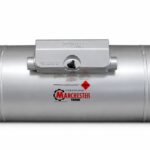
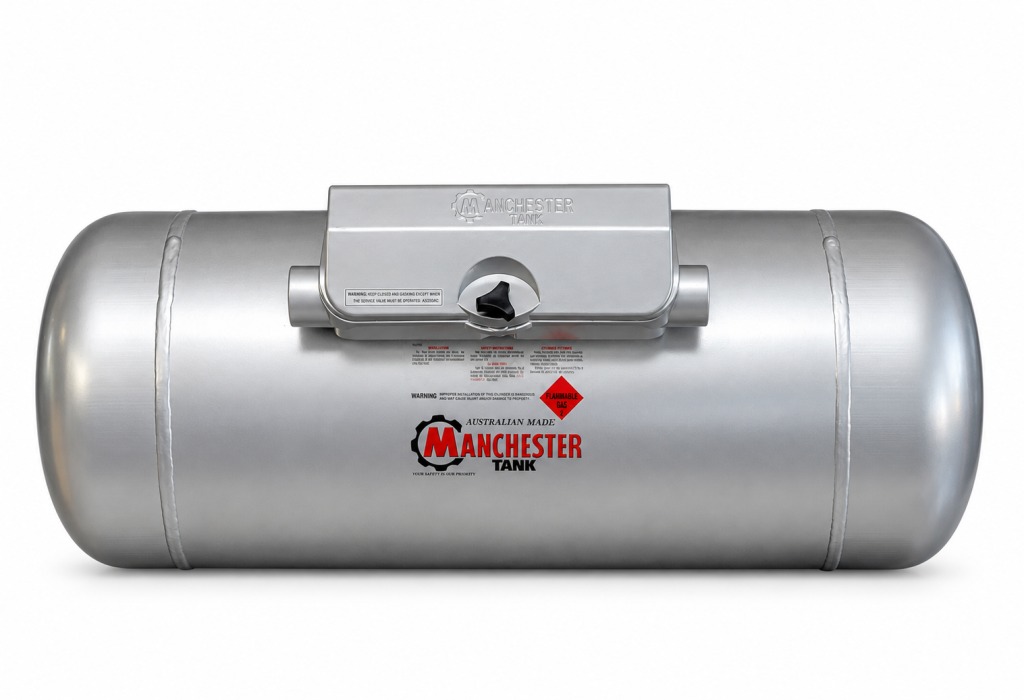
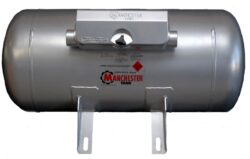
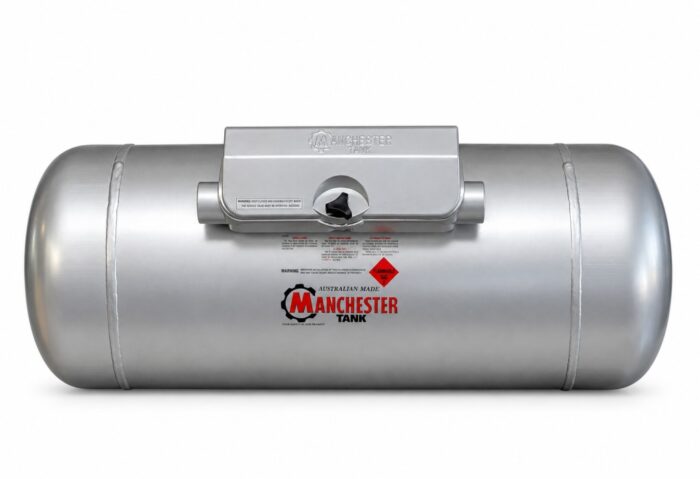
Automotive LPG tanks are designed specifically for vehicles. They store LPG safely under pressure and supply it to the engine through a gas system.
Key features of a good automotive tank include:
- Robust construction: Built to cope with pressure, vibration, and the demands of road use.
- Suitable shape and size: Different vehicles need different tank formats, such as cylindrical tanks or ones designed to sit in the spare wheel well.
- Safety fittings: Valves and relief devices that manage pressure and help prevent overfilling.
- Corrosion resistance: A durable finish keeps the tank in good condition underneath or inside the vehicle.
- Compliance: The tank must meet the relevant Australian standards and be installed correctly.
Who Uses Automotive LPG Tanks?
- Private motorists: Drivers who want to reduce running costs on regular trips.
- Fleet operators: Businesses managing fuel budgets across multiple vehicles.
- Taxi and transport businesses: Operators covering high kilometres each day.
- Tradespeople and work vehicles: Utes and vans with predictable daily routes.
- Rural and regional drivers: People who cover long distances and want flexible fuel options.
Choosing the Right Automotive Tank
- Match the tank to the vehicle. Space, mounting points, and weight all matter.
- Think about range. Larger tanks give more distance between fills, but they need more room.
- Check the build quality. Look for strong construction and a durable finish.
- Confirm compliance. Make sure the tank meets Australian requirements for its type.
- Use a qualified installer. Correct installation is essential for safety.
- Ask for advice. A specialist can help you balance capacity, fit, and budget.
Understanding Forklift Gas Cylinders
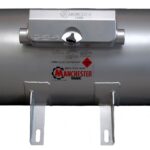
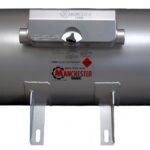
Forklift gas cylinders are purpose-built for materials handling equipment. They hold LPG that powers the forklift’s engine and are designed to be changed over quickly, so a machine spends more time working and less time waiting.
Typical features include:
- Durable construction: Built for the knocks and vibration of a busy workplace.
- Quick changeover design: Cylinders can be swapped without long downtime.
- Suitable capacity: Sizes are chosen to provide a practical working time per cylinder.
- Safety valves and fittings: Designed to manage pressure and support safe handling.
- Mounting compatibility: Cylinders must fit the forklift’s bracket and connection system.
Why Forklifts Run on LPG
Many businesses choose LPG forklifts because they offer a useful balance of power, convenience, and flexibility.
- Indoor and outdoor use: LPG forklifts can work in both settings, as long as ventilation requirements are met.
- Fast refuelling: Swapping a cylinder takes minutes, compared with long charging times for some alternatives.
- Consistent power: Performance does not fade as the fuel runs down.
- Lower upfront costs: LPG forklifts can be more economical to buy than some other types.
- Suitable for multiple shifts: Spare cylinders keep machines running through busy periods.
- Familiar technology: Many operators and maintenance teams are experienced with LPG equipment.
Where Forklift Cylinders Are Used
- Warehouses and distribution centres: Moving pallets and stock all day.
- Manufacturing plants: Handling materials and finished goods.
- Building supply yards: Moving heavy loads in mixed indoor and outdoor settings.
- Food and beverage facilities: Where cleaner burning fuel is preferred.
- Ports, depots, and logistics sites: Busy operations that cannot afford long stoppages.
- Farms and rural businesses: Machinery that needs reliable, portable fuel.
What to Consider Before Buying Forklift Cylinders
- Compatibility: Confirm the cylinder suits your forklift model and bracket.
- Capacity: Choose a size that matches your shift length and usage.
- Number of cylinders: Plan for spares so changeovers are quick.
- Storage: Make sure you have a safe, compliant place to store full and empty cylinders.
- Handling procedures: Train operators in correct changeover and inspection routines.
- Supplier support: Reliable supply and advice make operations smoother.
- Standards and testing: Ensure cylinders meet requirements and are kept within their inspection schedule.
Automotive vs Forklift: Key Differences
- Application: One fuels a road vehicle, the other a workplace machine.
- Fitting: Automotive tanks are installed permanently, while forklift cylinders are designed for regular changeover.
- Design focus: Vehicle tanks prioritise fit and long-term installation, while forklift cylinders focus on durability and ease of handling.
- Usage pattern: Vehicles refuel at LPG outlets, whereas forklift cylinders are swapped or refilled through a supply arrangement.
Safety and Maintenance Essentials
Pressure vessels deserve respect. A few principles go a long way.
- Use licensed professionals for installation, repairs, and inspections.
- Follow inspection and testing schedules for your tank or cylinder type.
- Check for damage, such as dents, corrosion, or leaking fittings.
- Store cylinders upright and secure in a well-ventilated area, away from heat and ignition sources.
- Train operators in safe changeover and handling.
- Never modify or repair a vessel yourself.
- Replace damaged or out-of-date cylinders promptly.
- Know the smell of LPG. If you suspect a leak, move away, avoid sparks or flames, and get professional help.
Why Choose an Australian Manufacturer?
Buying from an Australian maker gives you confidence in quality, standards compliance, and support. A local manufacturer understands Australian regulations, climate, and everyday use, from road vehicles to busy industrial sites. A focus on quality, safety, durability, and practical design means the equipment you receive is built for real-world conditions, not just a price point.
Final Thoughts
The right vessel keeps people safe and equipment productive. If you are fitting automotive LPG tanks, choose a well-built tank that suits your vehicle, your range needs, and relevant standards. And if you are sourcing forklift gas cylinders, look for durable construction, correct compatibility, and a supplier who can support your operation with reliable supply and clear advice. With quality manufacturing, correct installation, and regular inspection, your LPG equipment will keep working safely for years to come.
To explore Manchester Tank & Equipment’s range of gas storage solutions, visit mantank.com.au.
Frequently Asked Questions
1. What are automotive LPG tanks?They are pressure vessels designed to be fitted to vehicles, storing LPG safely and supplying it to the engine as fuel.
2. What are forklift gas cylinders?They are LPG cylinders made for materials handling equipment, designed for durability and quick changeover.
3. How do I choose the right automotive LPG tank?Consider your vehicle’s available space, how far you drive between fills, and the build quality of the tank. An LPG specialist can help match the tank to your vehicle.
4. How do I know which forklift cylinder fits my machine?Check your forklift’s bracket and connection system, and confirm the cylinder size and fittings with your supplier.
5. Can LPG forklifts be used indoors?Many LPG forklifts are used indoors, provided the space is adequately ventilated and your safety procedures are followed.
6. Do LPG tanks and cylinders need to meet Australian standards?Yes. They must comply with the standards that apply to their type and use, and be installed and handled by qualified people.
7. How often should LPG cylinders be inspected?Inspection and testing requirements depend on the cylinder type and the regulations that apply. Follow the schedule for your equipment and have it checked if it shows damage.
8. What should I do if I smell gas?Move away from the area, avoid sparks or flames, don’t operate electrical switches, and contact a licensed professional or emergency services immediately.