Block Blast Turned My Quick Break Into a Grid Nightmare
I opened Block Blast thinking I’d play a round or two, maybe clear a couple lines, and then go do something productive like pretending I know what my calendar means. Ten minutes later, I was staring at my screen like it had personally betrayed me. The board was almost full, I had one oddly shaped space left, and I swear the next block in my queue could sense weakness.
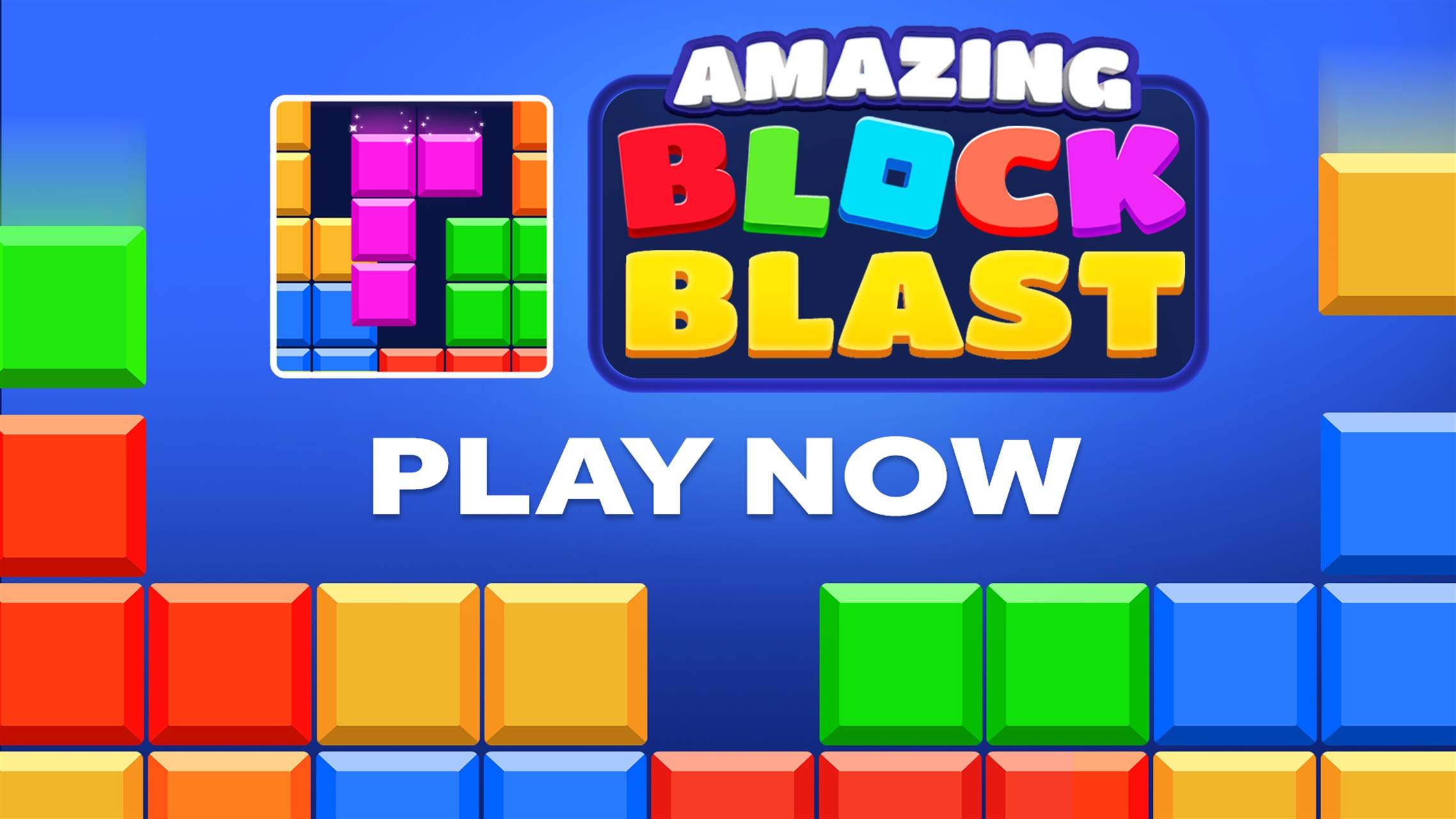
It sounds dramatic, but that’s kind of the trick with a block puzzle game like Block Blast. It looks simple at first: drag the available blocks onto the grid, line up a placement, and clear full rows and columns. It’s the kind of browser game you can tap on between chores. And then your brain starts caring way too much about where every square lands. Not because the game is trying to trick you with fancy mechanics, but because one “harmless” placement can create a gap you can’t fix until it’s too late.
The moment I stopped playing and started strategizing
The basic loop is easy enough. I keep a set of blocks available to place, I drag them onto the grid, and whenever I complete full rows or columns, those lines clear and the board opens up. That’s the satisfying part. When I finally wipe two lines at once, it feels like I solved something bigger than a simple puzzle.
My problem is I didn’t plan like that at the beginning. I’d see an empty pocket and think, “Perfect, that’ll fit.” Then I’d place the block quickly, feel proud for a second, and immediately regret it when the board got tighter. The fun part of Block Blast is also its rude part: clearing lines is great, but leaving awkward gaps is how you end up with a grid that looks like it’s been attacked by a very confused architect.
Drag, clear, repeat, and pretend my plan is working
Playing on desktop in a browser makes it even worse in the best way. I don’t have to download anything, so I can jump in fast. I can also click and drag with enough precision that I start thinking I’m in control, which is adorable. I’ll place a block with confidence, only to realize that I’ve narrowed my future options.
I’ve learned to look at the board as a whole instead of hunting for the “best-looking” placement. When I’m deciding where to put the current block, I try to imagine the next move I’ll be forced to make, not just the immediate satisfaction of clearing something. If my placement creates a weird one-cell gap or an L-shaped space that only matches one type of block, I treat that like a delayed problem. Sometimes it takes a few moves, but eventually the board catches up and reminds me that I can’t bully physics—or grid logic—forever.
A smarter way to think about rows and columns
My biggest improvement came from slowing down just enough to scan all the available pieces. Not a full analysis paralysis thing, just a quick check before I commit. I started asking myself whether this move keeps space flexible for future clears of rows and columns, or whether it traps me in a corner.
For me, flexible space means I try to avoid creating too many isolated pockets. If I can keep larger open areas, I’m more likely to clear multiple lines later, and I’m less dependent on hitting the exact right block at the exact right time. When I rush, I end up leaving narrow channels that look usable… until the next block arrives and suddenly those channels are useless.
There’s also a weird psychological moment in Block Blast where I think I have a brilliant strategy. I place a block “for the long run,” then the board behaves exactly like it shouldn’t. The next placement doesn’t fit cleanly, and I get that sinking feeling of staring at the empty spaces like they’re mocking me. That’s usually when I realize I should’ve prioritized keeping options open instead of chasing one perfect-looking line.
Why I keep coming back
I’m not going to pretend I’m always making perfect decisions. I still make dumb placements. I still get emotionally attached to certain board setups. But Block Blast has taught me to think one step ahead in a way that feels natural, not forced. It’s the mix of easy controls, quick clears, and the constant pressure of planning around what’s coming next.
And somehow, that’s exactly why I open it again. The moment I clear a big chunk of the grid, I’m already imagining how much cleaner my next run could be. Then I place one block a little too confidently, and my “quick break” turns into another round of grid therapy. If that sounds familiar, I get it. Try Block Blast on your desktop browser and see how long you last before you start bargaining with the next piece like it owes you rent.