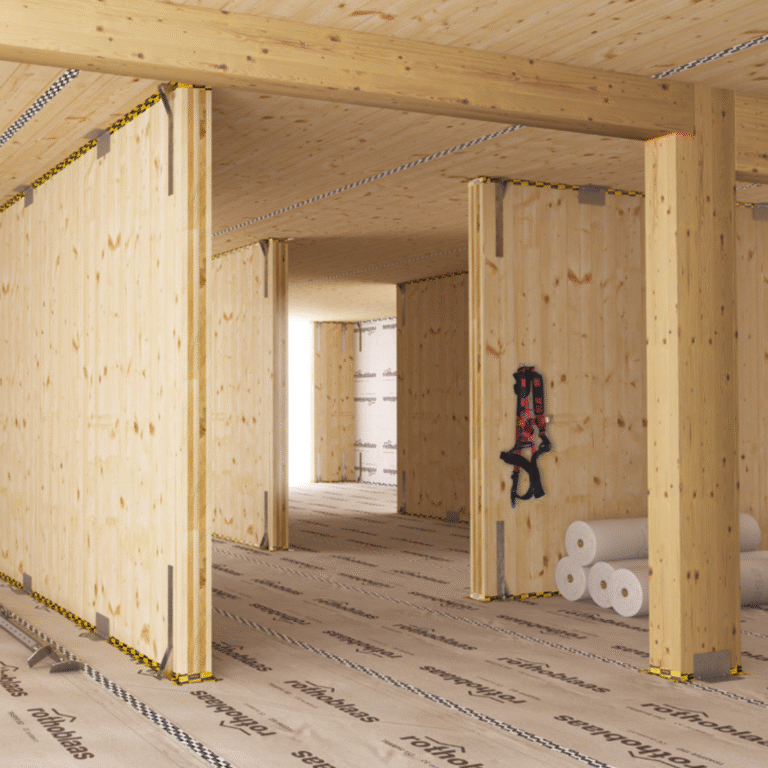
Building the Future with Cross Laminated Timber & Mass Timber Products | Timba Systems
The construction industry is undergoing one of its most significant transformations in decades. Fueled by environmental imperatives, innovative engineering, and demand for faster, greener builds, traditional building materials are being reimagined. Key to this evolution are cross laminated timber (CLT) and mass timber products — engineered wood solutions that offer unparalleled performance while dramatically reducing carbon footprints. At the forefront of this revolution stands Timba Systems, a brand that bridges advanced timber technologies with practical solutions for modern builders.
The Rise of Engineered Timber in Construction
Historically, timber has been one of humanity’s oldest building materials, revered for its natural beauty and workability. However, untreated wood has limits when it comes to structural scale, durability, and load-bearing capacity. Engineered wood — particularly mass timber products like cross laminated timber — changes this paradigm.
Mass timber products are advanced, multilayered wood components manufactured by bonding smaller timber elements into large, strong structural panels or beams. Unlike traditional lumber, these products are designed to perform at structural levels comparable to steel or concrete, but with far greater sustainability credentials.
Among these, cross laminated timber stands out due to its unique construction method and structural advantages. As its name suggests, CLT is made by cross-orienting multiple layers of lumber and bonding them with strong adhesives. This cross-lamination gives the panel strength in multiple directions, dramatically increasing stiffness, stability, and load-bearing capability.
What Is Cross Laminated Timber (CLT)?
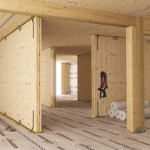
At its core, CLT consists of several layers of solid-sawn wood boards stacked in alternating perpendicular directions. Each layer is bonded using structural adhesives under controlled conditions to create large, rigid panels. These panels can then be used as walls, floors, roofs — essentially forming the backbone of structural systems in buildings of various scales.
This engineered configuration offers numerous advantages:
Strength and Dimensional Stability: CLT panels are highly resistant to warping, shrinking, or swelling with changes in humidity, making them dependable for structural applications.
Lightweight yet Powerful: Compared to steel or concrete, CLT is significantly lighter, which reduces foundation loads and transportation costs.
Precision Fabrication: Panels are pre-manufactured to exact specifications using CNC cutting technologies, allowing designers to incorporate door and window openings before they arrive on site.
Thermal and Acoustic Benefits: Wood’s natural properties provide insulation and sound-dampening advantages, contributing to healthier, more comfortable indoor environments.
Sustainability: Timber sequesters carbon throughout its lifecycle, locking it away even after harvest. When responsibly sourced, CLT significantly reduces the embodied carbon in buildings compared to traditional construction materials.
These attributes make CLT not just a structural choice but an ecological one.
The Broader Spectrum: Mass Timber Products
Mass timber products encompass a variety of engineered wood solutions beyond CLT. These include:
Glued Laminated Timber (Glulam): Multiple layers of wood bonded in the same grain direction to create long, strong beams and columns.
Laminated Veneer Lumber (LVL): Thin wood veneers bonded together to form high-strength members used for beams and headers.
Nail Laminated Timber (NLT): Boards fastened together with nails or screws to make basic structural panels.
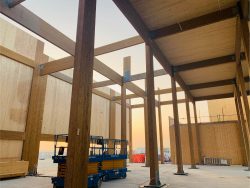
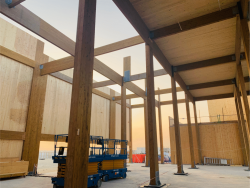
Together, these products give architects and engineers a toolkit for designing structures that range from resilient mid-rise buildings to elegant roofs and long-span interiors. Prefabrication ensures accuracy and speed, while the natural aesthetic of wood adds warmth and character to spaces that steel and concrete struggle to match.
Environmental Impact: A Compelling Advantage
One of the most persuasive aspects of mass timber adoption is its environmental advantage. The construction sector accounts for a significant portion of global carbon emissions, largely due to energy-intensive materials like steel and concrete. Mass timber products change this by leveraging wood’s renewable nature.
When trees grow, they absorb carbon dioxide from the atmosphere. This carbon remains stored within the timber even when it’s processed into engineered products such as CLT. By replacing high-carbon materials in buildings, CLT and other mass timber products not only reduce emissions but actively sequester carbon for the life of the structure.
Furthermore, faster construction schedules — enabled by off-site manufacturing and precise assembly — reduce energy use on site and decrease project timelines. This results in lower labor and machinery costs, further enhancing sustainability credentials.
Timba Systems: Championing Sustainable Timber Construction
Timba Systems has emerged as a trusted partner for builders who want to harness the full potential of engineered timber solutions. Based on their mission to blend timber + advancement, timber + alliance, and timber + architecture, Timba Systems goes beyond mere materials supply to deliver a holistic construction ecosystem that empowers architects, engineers, and builders.
At the heart of the brand’s offerings is a commitment to premium timber solutions, including high-quality components, expert consulting, and access to cutting-edge software tools for design and analysis. Their extensive services include technical specifications, on-site support, and structural calculations that make complex timber projects both feasible and efficient.
Products and Services
While Timba Systems is known for supplying engineered timber accessories and fixings, they also represent global leaders in mass timber materials—bringing advanced cross laminated timber and glulam solutions to markets in the UK, Middle East, Africa, and beyond.
Their product ecosystem includes:
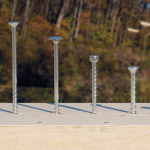
Timber Fixings and Hardware: High-performance screws, brackets, and structural fixings designed specifically for timber applications.
Technical Consultancy: Including structural analysis, compliance guidance, and on-site supervision.
Software Tools: Digital solutions that support design optimization, hygrothermal analysis, and construction planning.
This combination of products and expertise ensures that builders don’t just use mass timber products—they use them well.
Applications of CLT & Mass Timber in Modern Projects
The versatility of cross laminated timber and other mass timber products allows them to be applied in a diverse range of building types:
1. Residential Construction
From single-family homes to multi-unit buildings, CLT accelerates project schedules and enhances thermal comfort. Its precision fabrication and natural aesthetic make it ideal for sustainable housing.
2. Commercial and Institutional Buildings
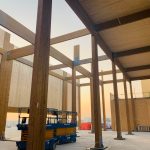
Offices, schools, cultural centers, and public facilities benefit from CLT’s load-bearing capabilities and design flexibility. Large open spans and exposed timber finishes create inviting and functional interior environments.
3. Mid-Rise Structures
Advances in building codes and structural design now allow mass timber systems to be used in mid-rise and even high-rise buildings — enabling timber towers that compete with traditional concrete or steel counterparts.
4. Hybrid Construction
Mass timber products can be combined with concrete or steel to create hybrid systems that leverage the best of both worlds — combining timber’s sustainability with the stiffness and rigidity of traditional materials where necessary.
Conclusion: Timber at the Forefront of Sustainable Building
Cross laminated timber and other mass timber products are more than just alternatives — they represent the next generation of construction materials. Offering structural performance, environmental benefits, aesthetic appeal, and construction efficiency, these materials align perfectly with global goals for lower carbon, healthier living spaces.
Timba Systems is positioned as a pivotal partner in this movement. By providing not only products but also consultancy, technical support, and integrated digital solutions, Timba Systems empowers builders to take full advantage of what mass timber has to offer. Whether you’re embarking on a residential project or a large-scale commercial build, embracing engineered timber solutions like CLT can redefine both sustainability and design excellence.