Fall Protection Systems: Creating Safer Workplaces with Indianinovatix
Working at heights requires careful planning, reliable equipment, and a genuine commitment to employee well-being. Whether workers are building skyscrapers, maintaining industrial rooftops, or servicing elevated structures, even a small mistake can lead to serious consequences. This is why fall protection systems are essential in workplaces where employees face potential falling hazards. Businesses exploring safety equipment can visit Indianinovatix and browse its fall protection equipment collection to research suitable solutions. Understanding different protection methods, equipment requirements, and safe working practices helps employers make informed decisions and develop a stronger workplace safety culture.
What Are Fall Protection Systems and Why Are They Important?
Fall protection includes equipment, procedures, and safety measures designed to prevent falls or reduce their consequences. These measures are particularly important in construction, manufacturing, warehousing, telecommunications, and infrastructure maintenance.
Depending on the workplace, protection may involve guardrails, safety nets, travel restraint equipment, or personal fall arrest equipment. Each option serves a particular purpose and must be selected according to the hazards present.
An effective safety strategy begins by eliminating work at height whenever reasonably practicable. When that is not possible, employers should consider collective protective measures before relying on personal protective equipment alone.
The Role of Personal Protective Equipment
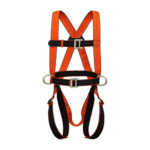
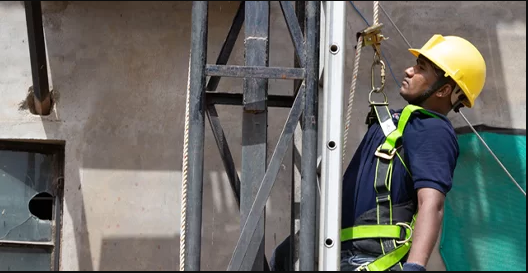
Personal protective equipment becomes important when workers need individual protection against specific fall hazards. A full body harness, when used with compatible connectors, suitable anchorage, and an appropriately designed fall arrest system, helps support a worker if a fall occurs.
However, a harness alone cannot prevent every accident. Proper fitting, equipment compatibility, sufficient clearance, worker training, and an effective rescue plan are all essential parts of safe operation.
Different Types of Fall Protection Equipment
Every worksite has its own challenges, so understanding available equipment helps organizations choose suitable solutions.
1. Full Body Harnesses
Full body harnesses are designed to distribute forces across designated areas of the body during a fall arrest event. They are commonly used by construction workers, maintenance technicians, and other professionals who need personal fall protection.
When selecting a harness, employers should examine sizing, adjustment features, attachment points, product documentation, and compatibility with the intended system.
2. Horizontal Lifeline Systems
Horizontal lifelines allow connected workers to move along a designated elevated path while remaining attached to a suitable protection system. They may be used on rooftops, steel structures, bridges, and industrial platforms.
These systems require appropriate engineering, verified anchorage points, correct installation, and sufficient fall clearance. Their permitted number of users must follow the system’s design and manufacturer’s instructions.
3. Vertical Lifeline Systems
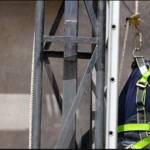
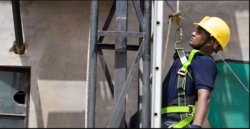
Vertical lifelines support movement along a vertical route, such as a ladder, tower, or certain elevated access structures. Depending on the application, workers may use compatible guided fall arrest devices or other approved arrangements.
Equipment selection must account for the structure, expected movement, manufacturer requirements, and applicable safety standards.
4. Guardrails and Safety Nets
Guardrails provide collective protection by helping prevent workers from reaching exposed edges. Safety nets may help catch falling workers or materials when appropriately designed and installed.
These measures can reduce dependence on individual equipment, although their suitability depends on the specific work environment and risk assessment.
How to Choose the Right Fall Protection Systems
Selecting appropriate equipment requires a clear understanding of the work being performed and the hazards involved. Purchasing decisions should be based on technical requirements rather than appearance or price alone.
Assess Workplace Hazards
Begin by identifying exposed edges, fragile roofing, floor openings, unstable platforms, overhead obstacles, and environmental conditions that may increase risk.
Consider whether the task can be completed from ground level or with collective protective measures. Where personal equipment is necessary, determine the appropriate system and anchorage arrangement.
Check Quality and Compliance
Review product specifications, inspection requirements, manufacturer instructions, and relevant certification documentation. Verify that the equipment meets the standards applicable to its intended use.
Connectors, harnesses, lanyards, lifelines, and anchorage components must be compatible. A mismatch between components can compromise the protection provided by the complete system.
Consider Comfort and Worker Training
Equipment should fit correctly and allow the movement required for the task. Workers need practical training on wearing, adjusting, inspecting, and using their equipment.
Training should also explain equipment limitations, unsafe conditions, reporting procedures, and the actions required during an emergency.
Exploring Safety Equipment Through Indianinovatix
Researching workplace safety products is an important step in building a reliable procurement process. Indianinovatix provides an online platform where businesses can explore relevant equipment categories and identify products for further evaluation.
When reviewing available fall protection options, procurement teams should check individual product specifications, intended applications, and supporting documentation. They should also confirm whether installation requires qualified personnel and whether additional components are necessary to create a complete system.
A thoughtful purchasing process helps organizations match equipment to actual workplace needs instead of relying on assumptions.
Common Safety Mistakes to Avoid
Even appropriate equipment can become ineffective when it is used incorrectly. Common mistakes include skipping inspections, connecting equipment to unsuitable anchors, overlooking fall clearance, and allowing untrained employees to work at height.
Workers should inspect their equipment according to manufacturer instructions and report damaged webbing, defective buckles, frayed stitching, or other signs of deterioration. Equipment that has arrested a fall must be removed from service and handled according to the manufacturer’s guidance.
Employers should also establish practical rescue procedures before work begins. A suspended worker may require prompt assistance, making trained responders and suitable rescue equipment important elements of the safety plan.
Conclusion: Making Workplace Safety a Daily Commitment
Reliable fall protection systems combine suitable equipment, effective planning, worker training, regular inspections, and emergency preparedness. Businesses researching available options through Indianinovatix should assess their workplace hazards carefully and verify that every selected component meets the requirements of the intended application. By prioritizing hazard prevention, choosing compatible equipment, and encouraging employees to follow established safety procedures, organizations can reduce exposure to fall-related risks and create a workplace where protecting people remains a shared responsibility.