Google Ads and SEO: How Small Businesses Can Use Both
Small businesses often treat Google Ads and SEO as rivals for the same budget. In practice they answer different needs, and the right mix depends on how quickly you need enquiries and how long you can wait.
What each channel does
- Google Ads puts your page in front of searchers soon after a campaign is approved. Traffic stops when the budget stops.
- SEO builds visibility more slowly, but pages that rank keep attracting visitors without a cost per click.
A practical way to combine them
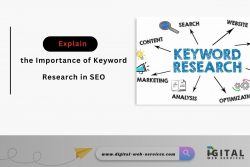
Start by listing the queries your customers use. Run ads on a small set of them and note which ones produce calls or form submissions. Those terms are good candidates for long-term organic work, because you already know they convert. The search terms report in Google Ads also reveals phrases you had not considered, which can feed your content plan.
Use ads for urgent or seasonal offers, and SEO for evergreen topics such as service pages and guides. If a page ranks well organically for a term, test whether you still need to pay for it, but compare total clicks before cutting anything.
Do some research on providers
Before choosing an agency, look at how its site is described by third-party tools. For one Polish agency site, examples are https://webmarketspy.com/website/profesjonalne-pozycjonowanie.pl and https://whoislookup.eu.cc/profesjonalne-pozycjonowanie.pl. Treat traffic and worth estimates as rough indicators only. Company profiles such as https://www.apsense.com/user/profpozycjonowanie and directory listings such as https://www.bizbangboom.com/poland/pozna%C5%84/business-services/profesjonalne-pozycjonowanie show how a company presents itself.
Do not forget links
Organic growth also depends on backlinks. This overview explains what makes one worth having: https://www.articlescad.com/link-building-basics-what-makes-a-backlink-worth-having-438636.html.
Whichever mix you choose, track enquiries rather than clicks, and review the results monthly.