I Came for Archery and Left Blaming Gravity
My first arrow had other plans
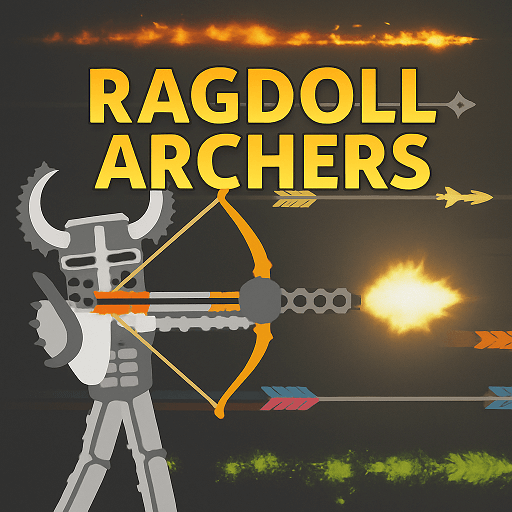
I sat down to play Ragdoll Archers and immediately fired an arrow that sailed past the enemy like it had somewhere more important to be. My archer gave a little wobble. The target stayed upright. I stared at the screen, already preparing a very serious explanation about the wind. There may not have been any wind.
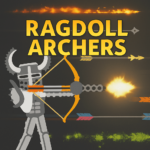
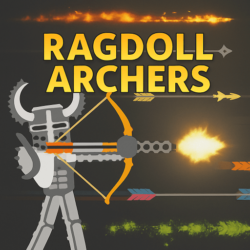
Playing in a desktop browser is refreshingly simple: hold the left mouse button, move to aim, and let go to shoot. The longer I hold, the more power I put into the shot. Spacebar makes the archer jump, which sounds straightforward until my floppy little stickman lurches upward at the exact moment I’m trying to aim. The controls are easy to learn; coordinating them with a character who seems to have borrowed his limbs from a coat rack takes a bit longer.
Learning to aim without getting cocky
The basic idea is to take down enemies with arrows, but a shot is never just “point and click.” Distance, angle, obstacles, and gravity all matter. Aim too high and the arrow can drift away from the target. Aim too low and it may arrive early, which is a polite way of saying it hits something else.
I started out treating every shot like a test of confidence. Hold, aim, release. Surely that was enough. It was not. A little adjustment to the angle could turn a hopeless miss into a clean hit, while adding extra power sometimes sent the arrow sailing well past anything I meant to hit. My mouse hand was learning patience. My brain was still shouting, “More power,” like a tiny, unhelpful coach.
That’s where this physics based archery game gets its charm. The ragdoll physics make every hit a small experiment with a silly outcome. A character might tip over, flop sideways, or bounce in a way that makes the whole exchange look less like an archery contest and more like a very confused puppet show. Even a decent shot can set off a chain reaction with objects or surroundings, so the result is not always what I pictured while aiming.
The misses are part of the show
Some of my funniest moments came from shots that were nowhere near perfect. I’d line up what looked like a clever angle, release, and watch the arrow skim past while my archer stood there wobbling as if he, too, was disappointed in me. On another attempt, a shot I barely believed in connected, and the enemy went tumbling. I took full credit, naturally. The game did not challenge my version of events.
There’s a particular kind of frustration in almost landing a shot. You adjust, try again, and somehow make it worse. Then you pause for half a second, decide the angle is definitely right this time, and miss in a completely new direction. It’s hard to stay annoyed when the physics keep turning failure into a little slapstick routine.
My most useful lesson was to slow down. Holding the mouse gives me time to consider the angle and power, and small adjustments tend to work better than dramatic ones. I also learned not to ignore what’s around the target: walls and objects can affect a shot, and some interactive bits may help create a useful chain reaction. And if my archer starts wobbling at an inconvenient moment, jumping is worth remembering—though I try not to press it just because I’m panicking.
One more round, apparently
Ragdoll Archers is enjoyable because it balances simple controls with outcomes I can’t fully predict. A stickman archer, a bow, and a few mouse movements are enough to produce satisfying hits, awkward misses, and the occasional victory that feels like it happened despite my involvement.
It’s not a game I play for a grand, dramatic story. I play because each shot gives me another chance to get the angle right—and because even a failed attempt can be funny. If you like quick browser games with physics, wobbly characters, and just enough challenge to make “one more round” sound reasonable, give it a try. Just don’t blame the mouse for every miss. It knows what you did.