Laser Cleaner vs. Traditional Methods: A Practical Guide to Using a Laser for Cleaning
Industrial cleaning has a hidden cost. Chemicals need storing and disposing of, abrasive blasting creates dust and waste, and manual grinding is slow and hard on both workers and parts. That’s why many manufacturers are taking a serious look at a laser cleaner as a replacement for those methods. Using a laser for cleaning can remove rust, paint, oxidation, and residue without touching the surface, and without consumables. This guide explains how the technology works, where it fits, and what to check before you invest.
What Is a Laser Cleaner?
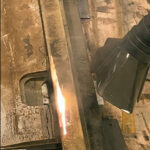
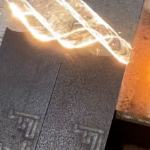
A laser cleaner is a machine that directs a focused beam of laser light onto a surface to remove unwanted material. The contaminant, whether rust, paint, oxide, or residue, absorbs the laser energy and vaporizes or flakes away. The underlying material, such as steel, aluminum, or stainless steel, reflects the energy differently and remains largely unaffected when settings are chosen correctly.
The process is often called laser ablation, and its defining feature is that it’s non-contact and non-abrasive. Nothing scrapes, sprays, or grinds the part.
How a Laser for Cleaning Compares With Other MethodsMethodTypical drawbacksLaser cleaningSandblastingDust, spent media, containment, surface erosionNo media, minimal wasteChemical strippingHazardous fumes, storage, disposal costsNo chemicalsGrinding and wire brushingSlow, labour-intensive, surface scratchingFast, consistent, non-contactDry ice blastingOngoing consumable cost, noiseNo consumablesManual scrapingInconsistent, time-consumingRepeatable and controllable
Laser cleaning won’t be the right answer for every task, but where it fits, the benefits are significant.
Key Benefits
- No consumables. There’s no abrasive media or chemicals to buy, which lowers ongoing costs.
- Less waste. Fumes are captured by extraction systems, and there’s no spent media or chemical sludge to dispose of.
- Precision. Operators can clean a weld seam, a single coating layer, or a small area without affecting the rest of the part.
- Base material protection. With proper settings, the substrate isn’t eroded or roughened.
- Consistency. Repeatable parameters give uniform results across shifts and operators.
- Safer working conditions. Eliminating airborne abrasives and chemical fumes improves health and compliance.
- Automation potential. Systems can be integrated with robots for repetitive production tasks.
Common Applications
A laser cleaner can handle a surprising variety of jobs:
- Rust and oxidation removal
- Paint and coating stripping
- Pre-weld and post-weld cleaning, removing mill scale, oxide, and residue
- Mold cleaning, including baked-on residue on tooling
- Surface preparation before painting, coating, bonding, or further processing
- Maintenance and restoration of equipment and components
- Selective cleaning where only part of a surface needs treatment
Industries that use laser cleaning include automotive, aerospace, shipbuilding, oil and gas, mining, railway, steel and metal manufacturing, construction, nuclear energy, and heavy equipment.
Types of Laser Cleaning Systems
Different tasks call for different configurations:
- Continuous laser systems, suited to certain rust and coating removal tasks where steady energy output is effective
- Pulsed laser systems, which deliver energy in short bursts for precise cleaning with less heat input
- Handheld or manual units, flexible for maintenance, repairs, and irregular parts
- Robotic systems, designed to clean repeatedly on a production line
- Automated or customised systems, built around a specific part, line, or process
Choosing between them depends on part size, geometry, material, production volume, and how much automation you need.
What to Consider Before Buying
- Define the job. What are you removing, from what material, and how thick is it?
- Test real samples. Results depend on the specific coating, substrate, and condition, so trial cleaning is the best way to confirm suitability.
- Match the system type. Handheld, pulsed, continuous, or robotic each suits different workflows.
- Plan for safety. Laser cleaning requires protective equipment, training, and fume extraction.
- Check throughput. Consider the surface area you need to clean and how quickly.
- Think about integration. If you plan to automate, make sure the system can work with robots and your production layout.
- Review support. Training, parameter development, and technical service strongly influence success.
- Weigh financing options. Buying, leasing, and renting suit different stages of adoption.
Alfa Laser: Canadian-Built GreenBlast™ Laser Cleaners
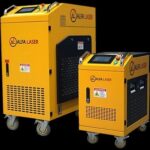
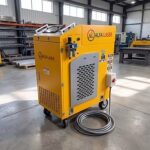
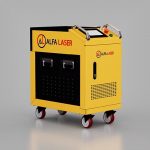
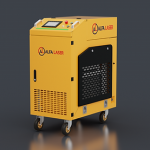
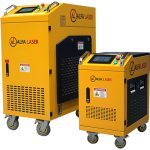
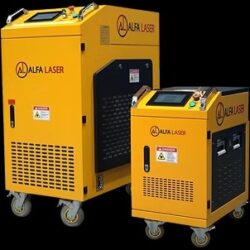
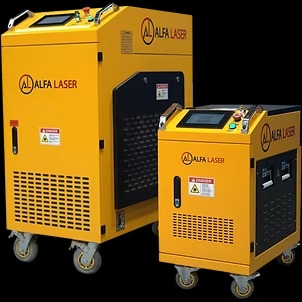
Alfa Laser, based in Montreal, Quebec, is a Canadian manufacturer of industrial laser cleaning machines, founded by laser and photonics experts. Its GreenBlast™ line serves manufacturing plants across Canada and the USA.
What Alfa Laser offers:
- A full range of machines, including continuous, pulsed, robotic, and automated or customised laser cleaning systems
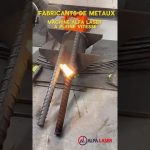
- Applications across rust removal, paint stripping, mold cleaning, and welding residue removal
- A complete solution, including PPE, fume extraction, consulting, onsite training, laser safety training, priority technical support, and parameter development
- Custom validation trials, where you can send contaminated parts for lab testing so the right laser recipe is developed before you buy
- A field technical team supporting installation, training, and ongoing operation
- Flexible purchase programs, including outright purchase, lease-to-own, and short- or long-term rental
- Experience across demanding industries, from automotive and aerospace to shipbuilding, mining, rail, and nuclear
Because the company covers the full range, from handheld units to automated systems, customers can start with what fits today and scale as their needs grow.
Why Validation Trials Matter
One of the most practical steps in adopting laser cleaning is testing on your own parts. Every combination of contaminant and substrate behaves a little differently. A validation trial lets you see actual results, understand the settings required, and estimate cycle times before spending money. It reduces risk and helps ensure the system you choose actually fits your application.
Practical Tips for Getting Started
- Start with a clear problem. Pick a specific cleaning task where costs, quality, or safety are a pain point.
- Document your current process. Knowing your baseline cost and time makes it easier to measure improvement.
- Involve your safety team early. Laser safety planning should be part of the project from the start.
- Train operators properly. Good technique and understanding of parameters improve results.
- Plan for fume extraction. Capturing vaporized material is an essential part of a safe setup.
- Consider rental first. If you’re unsure, a short-term rental can let you test the technology in your own facility.
Final Thoughts
A laser cleaner offers a cleaner, more precise, and more sustainable way to remove rust, coatings, and residue, and using a laser for cleaning can reduce long-term costs while improving working conditions. The key is matching the right system to your actual parts and production needs, and testing before you commit. With its GreenBlast™ range, validation trials, hands-on training, and flexible purchase options, Alfa Laser gives Canadian and American manufacturers a practical way to evaluate whether laser cleaning belongs in their operation.
Frequently Asked Questions (FAQ)
1. How does a laser cleaner work?A focused laser beam is absorbed by the contaminant, causing it to vaporize or flake away, while the underlying material reflects most of the energy and remains largely unaffected.
2. What can a laser for cleaning remove?It can remove rust, paint and coatings, oxidation, mill scale, weld residue, and baked-on mold residue, among other contaminants.
3. Will laser cleaning damage the base metal?With correct settings, the base material is preserved because it responds to the laser differently than the contaminant.
4. Does laser cleaning use chemicals or abrasives?No, it uses neither, though vaporized particles are typically captured with a fume extraction system.
5. What types of systems does Alfa Laser offer?Alfa Laser offers continuous, pulsed, robotic, and automated or customised laser cleaning machines.
6. Can I test my parts before buying?Yes, Alfa Laser provides custom validation trials where you send in contaminated parts for lab testing and parameter development.
7. Can I rent or lease a laser cleaner?Yes, options include outright purchase, lease-to-own, and short- or long-term rental.
8. Is training provided?Yes, Alfa Laser provides onsite training and laser safety training as part of its support.