Laser Cleaning and Laser Rust Cleaner Technology: The Future of Industrial Surface Prep
Industrial cleaning has long relied on chemicals, abrasives, and manual labour — methods that are slow, hazardous, and increasingly expensive to manage. Over the last decade, laser cleaning has emerged as a genuine alternative, and more manufacturers across Canada and the U.S. are now searching for a reliable laser rust cleaner to replace grinding wheels, sandblasting, and chemical baths on their production floors.
In this post, we’ll break down how laser cleaning actually works, why it’s becoming the preferred method for rust and contaminant removal across heavy industry, and how Alfa Laser is positioning itself as a Canadian manufacturer at the centre of this shift.
What Is Laser Cleaning?
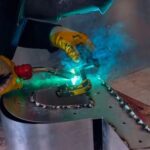
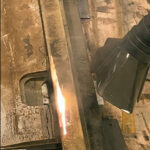
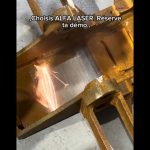
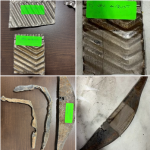
Laser cleaning, also known as laser ablation, uses a focused beam of laser light to remove rust, paint, oxidation, mill scale, weld residue, and other surface contaminants — without touching the surface with any abrasive or chemical agent. The laser energy is absorbed by the contaminant layer, causing it to vaporize or flake away, while the underlying base material (steel, aluminum, stainless steel, and more) is left largely unaffected.
This non-contact, non-abrasive nature is what makes laser cleaning fundamentally different from traditional surface preparation methods. There’s no dust cloud from sandblasting, no toxic runoff from chemical stripping, and no risk of grinding wheels gouging or thinning the base metal.
Why Manufacturers Are Switching to a Laser Rust Cleaner
Rust and oxidation are constant problems in metal fabrication, shipbuilding, heavy equipment maintenance, and countless other industries. Traditionally, removing rust has meant one of a few options: wire brushing, grinding, sandblasting, or chemical rust removers — each with real drawbacks.
A dedicated laser rust cleaner solves many of these problems at once:
- Zero chemical waste — No acids, solvents, or rust-removal chemicals to store, handle, or dispose of.
- No abrasive media — No sand, grit, or bead blasting media to buy, contain, or clean up afterward.
- Faster processing — Laser rust removal can be significantly quicker than manual grinding or sandblasting, especially on complex geometries.
- No surface damage — Unlike grinding, which can leave micro-scratches and alter the surface profile, laser cleaning preserves the structural integrity of the underlying metal.
- Lower long-term operating cost — With no consumables to continually replace, the ongoing cost per part cleaned tends to be far lower than traditional methods.
- Better working conditions — Removing chemical fumes and airborne abrasive particles from the shop floor directly improves worker health and safety compliance.
For plant managers already dealing with rising chemical disposal fees, labour shortages, and stricter environmental and safety regulations, switching to a laser-based rust removal process is increasingly seen as the practical long-term solution rather than a novelty.
Common Applications of Laser Cleaning in Industry
Laser cleaning technology isn’t limited to rust removal. Its applications span a wide range of industrial needs:
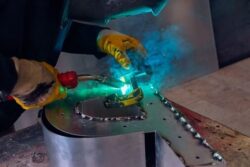
- Pre-weld and post-weld cleaning — Removing mill scale, oxidation, and weld residue before and after welding to improve weld quality and joint integrity
- Mold cleaning — Removing baked-on polymer release agents and cross-linked resin residue from tool steel molds without damaging the mold surface
- Surface preparation — Preparing metal surfaces for coating, painting, or further processing with a clean, controlled surface profile
- Paint stripping — Removing old paint or coatings without the chemical waste associated with traditional paint strippers
- Nuclear decontamination — Safely removing contaminated surface layers in nuclear facility environments
- Rubber, tire, and plastic mold cleaning — Clearing residue buildup from molds used in rubber and plastic manufacturing
These applications span industries as varied as automotive, aerospace, shipbuilding, oil and gas, mining, railway, steel manufacturing, construction, and military and defense — essentially anywhere metal surfaces need to be cleaned, prepped, or restored without damaging the base material.
What to Look for in a Laser Cleaning Machine
If you’re evaluating laser cleaning systems for your facility, a few factors matter most:
- System type — Continuous laser systems, pulsed laser systems, robotic integration, or fully automated/customized setups each suit different production volumes and part geometries.
- Build quality and origin — Locally manufactured systems often come with better technical support, faster parts availability, and alignment with local safety standards.
- Technical support and training — Look for a supplier that offers onsite training, laser safety training, and ongoing parameter development rather than just shipping a machine and walking away.
- Sample testing — A reputable manufacturer should be willing to test your actual contaminated parts in their lab to develop the right cleaning parameters before you commit to a purchase.
- Safety compliance and PPE support — Since laser cleaning involves working with high-powered lasers, proper safety protocols, PPE, and fume extraction systems are essential parts of any installation.
Alfa Laser: Canadian-Made GreenBlast™ Laser Cleaning Systems
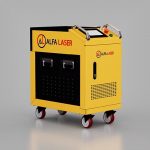
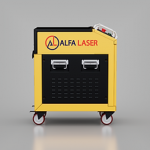
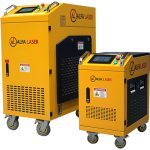
Alfa Laser, based in Montreal, Quebec, is a Canadian manufacturer of industrial laser cleaning machines, founded by laser and photonics experts. The company builds its GreenBlast™ line of laser cleaning systems for manufacturing plants across Canada and the USA, covering everything from handheld and manual units to fully robotic and automated systems.
What Alfa Laser offers:
- Continuous, pulsed, robotic, and automated/customized laser cleaning machines to suit different production needs
- Industrial laser rust removal, laser paint stripping, mold cleaning, and welding residue removal capabilities
- A field technical team supporting installation, training, and ongoing operation
- A complete solution approach, including PPE, fume extraction, consulting, onsite training, priority technical support, and parameter development — not just the machine itself
- Custom validation trials, where prospective customers can send in contaminated parts for lab testing to engineer the right laser recipe before purchase
- Support across a wide range of industries, including automotive, aerospace, shipbuilding, oil and gas, mining, railway, construction, nuclear energy, and heavy equipment
- Flexible purchase programs, including outright purchase, lease-to-own, and short- or long-term rental options
For manufacturers looking to move away from chemical-heavy and abrasive cleaning processes, Alfa Laser’s combination of Canadian manufacturing, technical support, and industry-specific application knowledge makes it a strong option to evaluate.
Final Thoughts
Laser cleaning is steadily replacing traditional rust and surface-contaminant removal methods across heavy industry, driven by faster processing times, lower long-term costs, and a dramatically reduced environmental and safety footprint. For any manufacturer weighing the switch to a laser rust cleaner or exploring laser cleaning for pre-weld prep, mold maintenance, or coating removal, Alfa Laser’s Canadian-built GreenBlast™ systems and hands-on technical support offer a practical path into the technology.
To learn more or request a custom validation trial, contact Alfa Laser at +1 438-940-5020, email [email protected], or visit alfalaser.ca to book a demo.
Frequently Asked Questions (FAQ)
1. How does laser cleaning remove rust without damaging the metal underneath? Laser cleaning works by directing focused laser energy at the contaminant layer, which absorbs the energy and vaporizes or flakes away, while the base metal — engineered to reflect the laser wavelength differently — remains largely unaffected.
2. Is laser rust cleaning faster than sandblasting or grinding? Yes, laser cleaning systems are generally significantly faster than manual grinding or sandblasting, particularly on parts with complex shapes or hard-to-reach areas.
3. Does laser cleaning produce any waste or byproducts? Laser cleaning produces no chemical waste and requires no abrasive media, though the vaporized contaminant particles are typically captured using a fume extraction system for safety.
4. What types of laser cleaning machines does Alfa Laser offer? Alfa Laser offers continuous laser cleaning machines, pulsed laser cleaning machines, robotics laser cleaning systems, and automated/customized laser systems.
5. Can I test my own parts before buying a laser cleaning machine? Yes, Alfa Laser offers a custom validation trial where you can send in your contaminated parts for lab testing so they can develop the right laser cleaning parameters for your specific application.
6. What industries use laser cleaning technology? Laser cleaning is used across automotive, aerospace, shipbuilding, oil and gas, mining, railway, construction, nuclear energy, steel and metal manufacturing, and heavy equipment industries, among others.
7. Are there purchase options other than buying a laser cleaning machine outright? Yes, Alfa Laser offers flexible purchase programs including lease-to-own, and both short-term and long-term rental options, in addition to outright purchase.
8. Does Alfa Laser provide training and support after installation? Yes, Alfa Laser provides onsite training, laser safety training, priority technical support, and ongoing parameter development as part of its complete solution approach.