Optimizing Your Property with a Septic Land Capability Assessment
When planning to build a home or install a septic system in rural or semi-rural Australia, one of the most essential requirements is a Septic Land Capability Assessment (LCA). This report not only ensures that your property is suitable for wastewater disposal but also helps in complying with local council regulations. Understanding the purpose, process, and Land Capability Assessment cost can save you both time and money.
What is a Septic Land Capability Assessment?
A Septic Land Capability Assessment is a technical evaluation that determines whether a specific parcel of land can support an onsite wastewater treatment system. Conducted by environmental engineers or soil scientists, this assessment ensures that the proposed septic system won’t pose a risk to human health, groundwater, or the environment.
Most councils in Victoria and other states require an LCA before granting a permit to install or upgrade a septic system. This report identifies the suitability of soil, slope, vegetation, and climate in absorbing and treating wastewater without contamination or runoff.
Why is a Septic LCA Important?
Legal Compliance Local councils mandate an LCA to ensure new developments are environmentally sustainable. Without one, your building permits may be delayed or rejected.
Environmental Protection A poor septic system can pollute water sources and soil. An LCA helps prevent this by recommending proper design and placement of the system.
Cost Efficiency Investing in a Septic LCA can prevent costly system failures or redesigns. It ensures you choose the right type of wastewater treatment system from the start.
Long-Term PlanningThe assessment provides recommendations that help homeowners plan for maintenance, expansion, or system upgrades.
What Does the Assessment Include?
A comprehensive Septic Land Capability Assessment involves the following components:
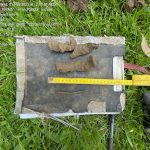
Soil Analysis: Determines soil type, texture, permeability, and drainage capacity.
Topography: Evaluates slope, elevation, and potential for water runoff.
Climate Factors: Assesses rainfall and temperature which influence system efficiency.
Vegetation and Land Use: Identifies existing vegetation and possible land constraints.
Risk Analysis: Considers risk to public health, waterways, and groundwater.
System Recommendations: Suggests the most appropriate septic system (e.g., absorption trenches, sand filters, etc.) based on the findings.
How Much Does a Land Capability Assessment Cost?
The Land Capability Assessment Cost varies depending on several factors such as:
Location and Accessibility: Remote or hard-to-reach properties may incur higher travel or inspection costs.
Size of the Property: Larger properties may require more testing and site analysis.
Soil Complexity: Areas with mixed or problematic soils require deeper analysis and lab work.
Level of Reporting Required: Some councils request basic reports while others demand detailed studies with maps and multiple soil test points.
On average, the cost of a Septic LCA ranges between $800 to $2,500 AUD. While this may seem like a significant investment upfront, it ensures long-term system performance and compliance with council regulations.
Who Can Conduct a Septic LCA?
Only qualified professionals such as geotechnical engineers, environmental scientists, or land capability assessors should conduct a Septic Land Capability Assessment. It’s important to hire someone experienced in local council requirements and regional soil conditions.
Look for assessors who are accredited and provide a clear scope of work that includes site inspection, laboratory analysis, and a detailed report with design recommendations.
Steps to Get a Septic LCA Done
Consult with Your Local Council Start by understanding your council’s specific requirements for septic systems and LCAs.
Hire a Licensed Assessor Choose a professional who understands local conditions and council expectations.
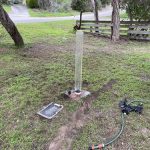
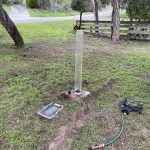
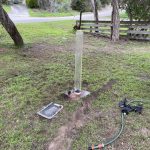
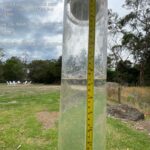
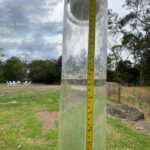
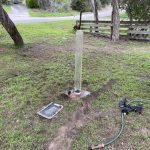
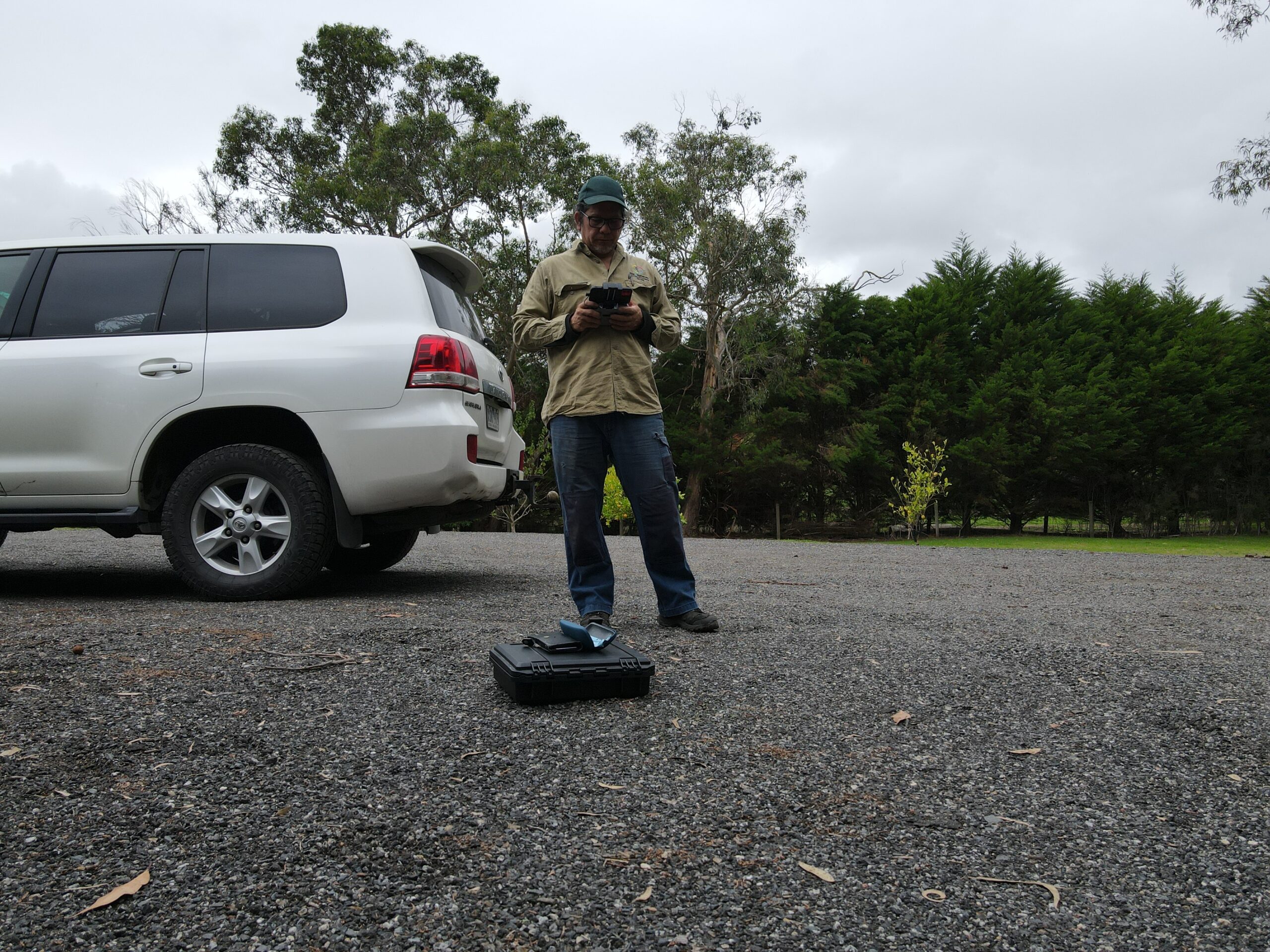
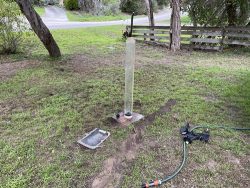
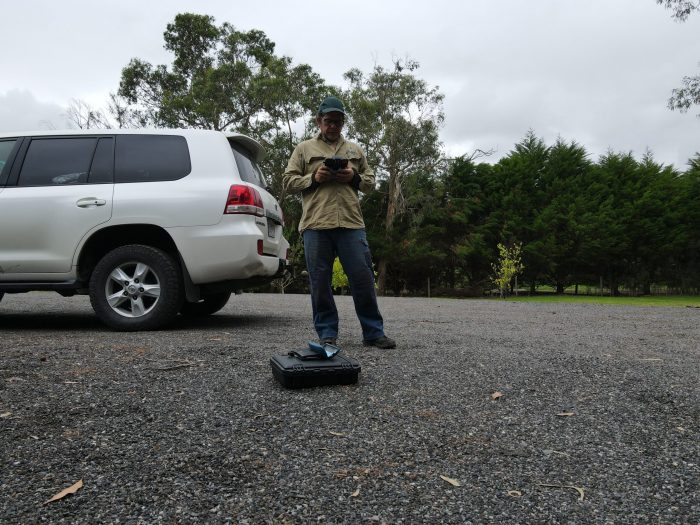
Site Visit and Soil Testing The assessor will collect soil samples and observe the property’s layout and natural features.
Report Preparation The final LCA will include soil test results, site evaluations, risk assessments, and septic system recommendations.
Submission and ApprovalSubmit the report to your local council along with your building permit application. If accepted, you can proceed with septic system installation.
Benefits of a Professional Septic LCA
Reduces Risk of System Failure
Ensures Long-Term Sustainability
Improves Property Value
Avoids Fines and Legal Issues
Guides Proper Septic System Installation
Conclusion
A Septic Land Capability Assessment is a vital step for any homeowner planning a new build or septic system installation. It protects the environment, ensures regulatory compliance, and saves you from future headaches. While the Land Capability Assessment cost may vary, investing in a qualified professional ensures the job is done right the first time.
Whether you’re developing rural property or upgrading an existing septic system, don’t overlook the importance of a thorough LCA. It’s not just a box to tick—it’s a critical part of sustainable land development.