Planning Land Capability Assessment Services: What They Are and What to Expect
If you own rural or semi-rural land in Victoria and want to build, subdivide, or upgrade a septic system, you will almost certainly meet the term “land capability assessment” sooner or later. It sounds technical, but the idea is simple: before you commit to a design or a budget, you need proof that your land can safely handle onsite wastewater. This guide explains how planning land capability assessment services work, what shapes the final LCA cost, and how to get a smooth result for your project.
What Is a Land Capability Assessment?
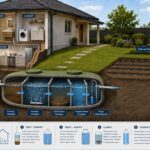
A land capability assessment (LCA) evaluates whether a block of land can sustainably support a particular use. In the septic context, it examines whether the site can treat and dispose of domestic wastewater without harming people, neighbouring properties, waterways, or groundwater.
An assessor looks at the characteristics of the land, such as soil type, how quickly water moves through it, slope, drainage, and constraints that could limit where a system can go. The result is a report that informs the design and selection of an appropriate onsite wastewater system.
In Victoria, councils commonly request an LCA as part of a permit application for installing or altering a septic system, and the assessment is generally prepared to align with state wastewater guidelines. Requirements can differ between councils and change over time, so check with your local council early in the process.
Why Planning Matters
Many property owners treat the assessment as a paperwork hurdle. In reality, it is one of the most valuable early steps in a project because it shapes everything that follows.
- It tests feasibility early. You learn whether your preferred building location, number of bedrooms, or intended use is workable before you spend on plans.
- It reduces redesign risk. A system chosen without proper site information may fail council review or perform badly in practice.
- It supports compliance. A well-prepared report helps demonstrate that your proposal meets regulatory expectations.
- It protects the environment. Poorly sited wastewater systems can contaminate soil and water, which is exactly what the assessment is designed to prevent.
Whether you are a homeowner, a developer, or a planner, treating the LCA as part of early planning rather than an afterthought avoids delays later.
The Three Core Services
According to Septic Land Capability Assessment (SLCA), its work centres on three connected services.
1. Site evaluation. A detailed assessment of land suitability for septic systems, looking at how the property’s features affect where and how a system can be installed.
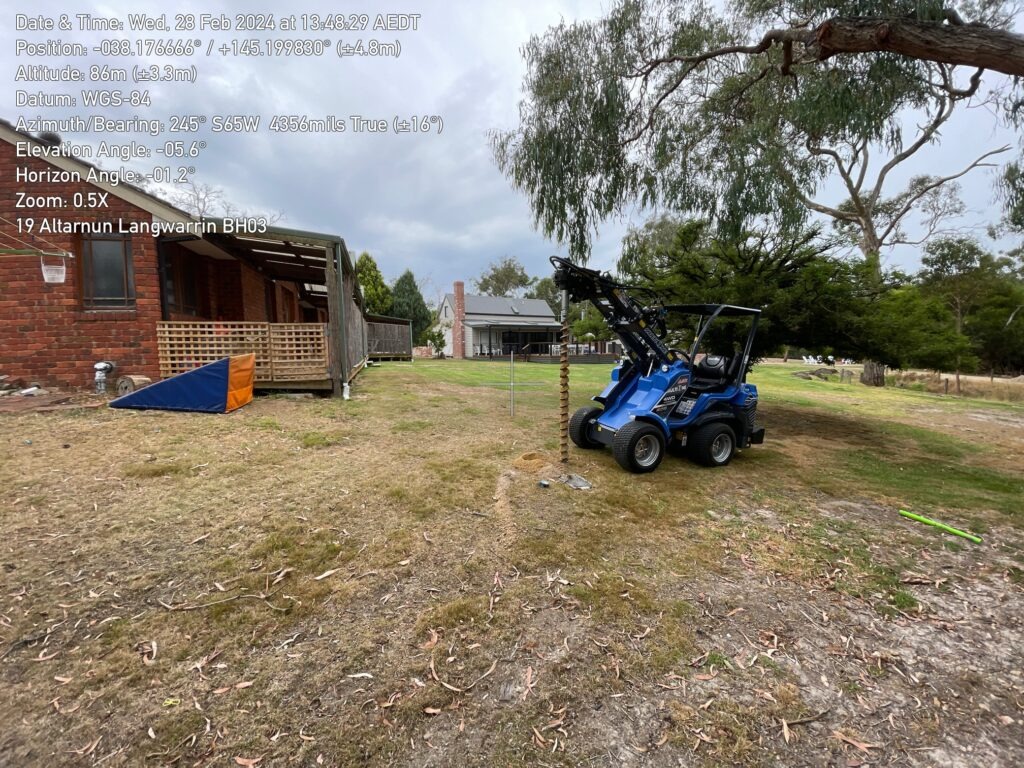
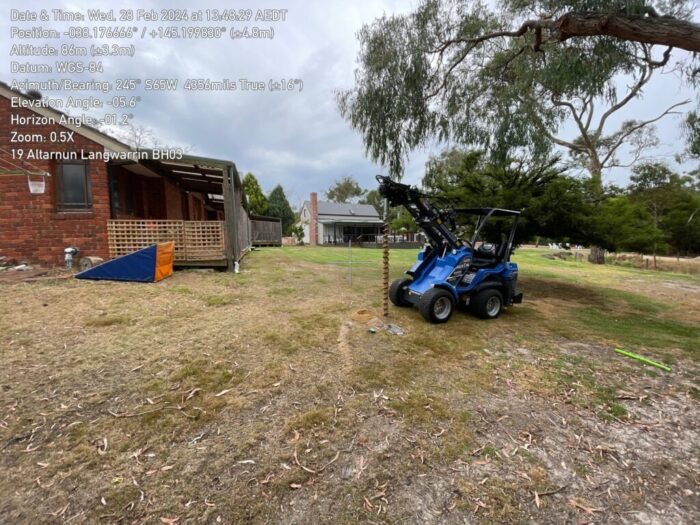
2. Soil testing. Accurate testing of soil conditions to support septic system design, since soil properties strongly influence how effluent is treated and absorbed.
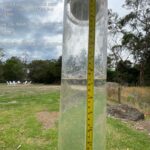
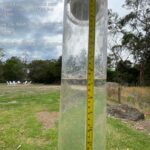
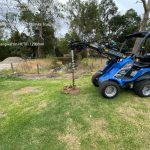
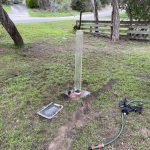
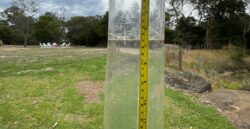
3. Percolation testing. Testing the rate of water absorption and porosity in the soil, which indicates how well the ground can take up treated water.
Together, these steps produce the evidence a designer, installer, or council needs to make sound decisions.
Who Uses Land Capability Assessment Services?
SLCA describes work across three main groups:
- Residential homeowners and developers, assessing land for septic installations in residential properties
- Commercial developments, ensuring land is suitable for septic systems in commercial projects
- Municipal and private planning, providing assessments for private and council planning and regulatory compliance
This spread matters because a family building a rural home and a developer planning multiple lots have different needs, but both rely on the same underlying site science.
Understanding LCA Cost
One of the first questions most clients ask is about LCA cost. The honest answer is that it depends on the project, and any reputable assessor will want a few details before quoting. Typical factors include:
- Property size and complexity. Larger or more varied sites may require more investigation.
- Number and location of test points. More testing generally means more field time.
- Site access and conditions. Steep, wooded, or hard-to-reach land can affect fieldwork.
- Project type. A single dwelling, a commercial site, and a multi-lot proposal have different reporting requirements.
- Report scope. The level of detail needed for council submission can influence the work involved.
- Timing. Urgent turnarounds may be handled differently from standard timelines.
The best way to understand your own LCA cost is to request a quote with your address, a brief description of the project, and any plans you already have. Compare what each quote includes, not just the headline figure, and consider the cost of the assessment against the cost of redesign or a refused permit.
Choosing the Right Assessor
Not every provider offers the same depth of expertise. When comparing options, look for:
- Relevant qualifications. Geoscience training supports reliable interpretation of soil and site conditions.
- Up-to-date regulatory knowledge. Rules and guidelines evolve, so current training matters.
- Clear communication and reporting. You should understand the findings and how they affect your plans.
- Coverage of your area. Confirm the provider works where your property is located.
- A complete service. An assessor who handles site evaluation, soil testing, and percolation testing together avoids coordination headaches.
About Septic Land Capability Assessment
Septic Land Capability Assessment provides land capability assessment services across Victoria. Its website states that the work is led by a tertiary-qualified geoscientist (BGeolSc, Monash), backed by up-to-date training and regulatory compliance, with a focus on service, communication, consulting, and reporting. The site also highlights positive client feedback for its detailed insights into land capability assessments.
Preparing for Your Assessment
A few simple steps can help the process run smoothly:
- Gather property details, including title information, boundaries, and any existing plans.
- Clarify your intended use, such as house size, number of bedrooms, or planned buildings.
- Note existing features, like current septic systems, bores, dams, or waterways.
- Allow site access for the assessor and equipment.
- Check council requirements so the report suits the permit you need.
Final Thoughts
A land capability assessment is far more than a form to tick. It is the evidence that supports your septic design, your permit application, and the long-term performance of your property. By understanding planning land capability assessment services and the factors behind LCA cost, you can plan with confidence and avoid costly surprises. Get in touch with SLCA through its contact page to discuss your site and request a quote.
Frequently Asked Questions
1. What is a land capability assessment?It is an evaluation of whether a block of land can sustainably support a particular use, most commonly onsite wastewater treatment through a septic system.
2. What does SLCA offer?SLCA offers site evaluation, soil testing, and percolation testing for residential, commercial, and municipal or private planning projects across Victoria.
3. How much does an LCA cost?Cost depends on factors such as property size, site conditions, project type, and report scope. Contact SLCA with your details to request a quote.
4. Who needs a land capability assessment?Property owners, developers, and planners installing or upgrading septic systems, particularly where councils require an assessment for a permit.
5. What is percolation testing?It tests the rate of water absorption and porosity in the soil, helping show how well the ground can take up treated wastewater.
6. Does SLCA work across Victoria?The website states that it provides services across Victoria and has a dedicated Victoria-wide service page.
7. How do I get started?Visit the contact page on the SLCA website, share your property address and project details, and request a quote.