Preschool in Kodathi: 7 Signs of a Great Learning Environment
Choosing the right preschool is one of the most important decisions parents make. In a growing neighbourhood like Kodathi, options are increasing, yet quality can vary widely. A strong early learning environment does more than keep children occupied – it lays the foundation for curiosity, confidence, emotional security, and a lifelong love of learning.
Parents searching for a preschool in Kodathi often look beyond colourful walls and basic routines. They want evidence that the setting truly supports the whole child. Here are seven clear signs that a preschool offers a genuinely great learning environment, along with how thoughtful centres in the area put these principles into practice.
1. A Clear Focus on Holistic Development
The best early years programmes never reduce learning to worksheets or early academics alone. Instead, they nurture intellectual, physical, social, and emotional growth together.
Look for an approach that values motor skills, sensory exploration, language development, emotional intelligence, and social connection in equal measure. Finnish-inspired methods, for example, treat childhood as a unique stage rather than a race toward formal schooling. Children develop at their own pace through rich experiences rather than rigid drills.
When a preschool in Kodathi prioritises this balanced view, children leave more confident, expressive, and ready for the next stage of learning.
2. Play-Based and Curiosity-Led Learning
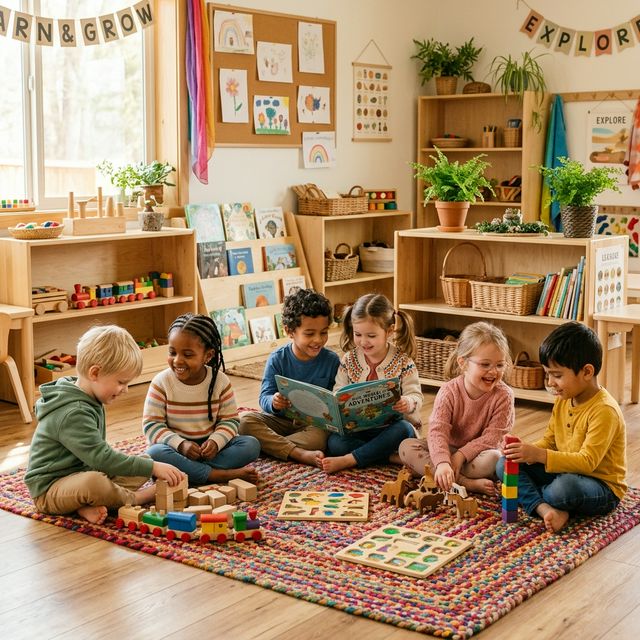
Young children learn best when they are engaged, not instructed. High-quality environments design the day around play, exploration, and hands-on discovery.
Signs to watch for include:
Open-ended materials that invite experimentation
Teachers who follow children’s questions rather than forcing predetermined outcomes
Daily opportunities for outdoor movement and sensory play
Minimal reliance on rote memorisation or early formal academics
This approach builds problem-solving skills, creativity, and intrinsic motivation. Children who experience joyful discovery tend to carry that enthusiasm into primary school and beyond.
3. Warm, Attentive Educators and Small Group Sizes
The adults in the room matter enormously. Great teachers are patient, observant, and skilled at building secure relationships. They notice each child’s strengths and gently stretch their thinking.
Smaller group sizes make this possible. When educators can give individual attention, children feel seen and safe. Emotional security is the foundation of learning – a happy, settled child is far more ready to explore, take risks, and engage with peers.
Ask about staff training, ratios, and how teachers document each child’s progress. Centres that treat educators as partners in a child’s development usually create calmer, more responsive classrooms.
4. Thoughtfully Designed Learning Spaces
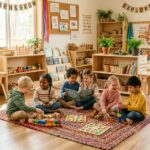
The physical environment is the third teacher. Look for spaces that feel inviting rather than institutional – natural light, accessible materials at child height, quiet corners for rest, and areas for movement and messy play.
Outdoor access is especially valuable. Regular time outside supports gross motor development, sensory regulation, and a sense of wonder about the natural world. Clean, well-maintained facilities with clear safety measures give parents peace of mind while children feel free to explore.
A well-designed preschool environment in Kodathi should feel like a second home – secure, stimulating, and full of possibility.
5. Strong Partnership with Families
The best programmes treat parents as essential partners. Regular communication, transparent routines, and genuine interest in the child’s life outside school create continuity between home and classroom.
Signs of healthy partnership include:
Easy ways to share observations and concerns
Opportunities to visit or participate
Clear information about the curriculum and daily experiences
Respect for each family’s culture and values
When educators and parents work as a team, children experience consistency and feel supported from every angle.
6. Emphasis on Emotional Wellbeing and Social Skills
Academic readiness means little without emotional and social foundations. High-quality settings intentionally teach children how to name feelings, resolve conflicts, take turns, and show empathy.
Look for calm transition routines, responsive caregiving, and adults who model respectful communication. Children who feel emotionally secure are more willing to try new things, persist through challenges, and form healthy friendships.
Programmes that prioritise emotional intelligence help children develop the self-regulation and confidence they will need throughout life.
7. A Philosophy That Respects Childhood
Finally, the strongest environments share a clear, consistent philosophy. They view childhood as a time for exploration, play, and unhurried growth rather than accelerated performance.
Whether the approach draws from Finnish education principles, play-based pedagogy, or other research-backed methods, the key is intentionality. Staff should be able to explain why they do what they do and how daily experiences support long-term development.
Centres that celebrate each child’s unique strengths – rather than comparing them to rigid benchmarks – create the conditions for genuine flourishing.
Finding the Right Fit in Kodathi
Kodathi and the surrounding Sarjapur Road corridor have seen rapid growth, bringing more families and more early education choices. Amid the options, parents benefit from visiting in person, observing interactions, and asking specific questions about curriculum, ratios, outdoor time, and how individual needs are met.
One centre that embodies many of these signs is My Fox Club. Parents can explore My Fox Club to experience a Finnish-inspired approach that places curiosity, emotional wellbeing, and joyful discovery at the heart of every day. With a focus on holistic growth through play, sensory experiences, movement, and warm relationships, it offers a model of what thoughtful early education can look like in the neighbourhood.
When evaluating any preschool in Kodathi, keep these seven signs in mind. A great learning environment does not just prepare children for school – it prepares them for life by protecting the wonder of childhood while gently building the skills they will need. Take the time to observe, ask questions, and trust the feeling you get when you walk through the door. Your child’s early years are too important to leave to chance.