Replacement Keys and Door Lock Replacement: A Practical Guide for UK Homeowners
Losing a key, snapping one in the lock, or realising a stranger might have a copy of your house keys is stressful. Doors are the first line of defence for your home or business, and when something goes wrong with a key or a lock, you want it fixed quickly and properly. Whether you need replacement keys after a loss or a spare set for the family, or you are weighing up door lock replacement because your current lock is worn, damaged, or no longer feels secure, knowing your options helps you make the right call without overspending.
At Davey Locks, a UK locksmith service for residential and commercial customers, we handle everything from key cutting and emergency lockouts to lock changes and security upgrades. This guide covers when to replace keys, when to replace the lock itself, and how to choose a locksmith you can trust.
Why Replacement Keys Matter
A key is a small thing until you don’t have it. Having working spares protects you from lockouts and gives you peace of mind. You may need replacement keys when:
- A key is lost or stolen: The most common reason, and one that deserves a security rethink.
- A key is worn or damaged: Old keys can wear down, bend, or crack and may eventually break in the lock.
- You need extra copies: Family members, tenants, cleaners, or trusted friends may all need access.
- You have moved into a new home: You don’t know who may still hold copies of the old keys.
- A key has been left with someone you no longer trust: Ex-partners, former tenants, and past contractors are common examples.
Types of Keys a Locksmith Can Replace
Not all keys are alike, and the type determines how a replacement is made.
- Standard house keys: The most common type, usually cut quickly from an existing key.
- Euro cylinder keys: Used in many uPVC and composite doors.
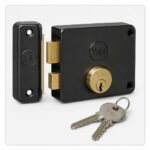
- Mortice keys: Used on traditional wooden doors with a mortice lock.
- Window keys: For locking windows, particularly uPVC types.
- Padlock and garage keys: Often overlooked until they go missing.
- Restricted or high-security keys: These cannot be copied freely and need authorisation.
If you have lost every copy, a locksmith can often cut a new key from the lock itself, or replace the cylinder so a fresh set can be issued.
Lost Your Key? What to Do
Try not to panic. Follow a simple order of steps.
- Search thoroughly. Check pockets, bags, cars, and the last places you were.
- Think about security. If the key might have been stolen, or has your address attached, replace the lock rather than just the key.
- Call a locksmith. A professional can get you back inside and advise on your options.
- Choose repair or replace. Depending on the lock, you may be able to re-key it or fit a new one.
- Get spares cut. Make sure you leave with enough keys to avoid a repeat.
When Is Door Lock Replacement Necessary?
A lock does not last forever. Replacing it is worth considering when:
- The lock is stiff or sticking: Keys that turn with difficulty can break and leave you locked out.
- The lock is visibly damaged: Signs include scratches, bent parts, or a loose body.
- Keys have been lost or stolen: Replacing the lock removes the risk of someone using a missing key.
- You’ve had a break-in or attempt: Damaged locks should be replaced straight away.
- The lock is old or low quality: Outdated or basic locks may not offer decent protection.
- You’ve moved house: A fresh lock gives you control over who has access.
- A tenant has left: Changing locks between tenants is a simple, sensible precaution.
- Your insurer requires it: Some policies specify the standard of lock you should have.
Choosing the Right Lock
The right lock depends on the door and your security needs.
- Euro cylinder locks (uPVC and composite doors): Look for anti-snap cylinders, which are designed to resist a common method of forced entry. A reputable locksmith can advise which is right for you.
- Mortice locks (wooden doors): A five-lever mortice lock is a common standard on external doors, and British Standard locks are often what insurers expect.
- Night latches: Useful as an additional layer on front doors.
- Multipoint locking systems: Found on many uPVC doors, where several points lock at once for added strength.
- Smart locks: Offer keyless entry and access control, though they should be chosen and fitted carefully.
Always check your insurance policy, as some insurers ask for specific lock standards on external doors.
Repair, Re-key, or Replace?
It is not always necessary to replace the entire lock. Your locksmith may suggest one of three options:
- Repair: Suitable if the lock is basically sound but a part has failed.
- Re-key: The lock stays, but the internal pins are changed so old keys no longer work.
- Replace: The best option for damaged, old, or low-quality locks, or when you want a higher level of security.
A good locksmith will explain which option is right instead of simply selling you the most expensive one.
How to Choose a Reliable Locksmith
Unfortunately, the locksmith trade has its share of poor operators. Protect yourself by checking a few things.
- Ask for clear pricing up front. Beware of very low quoted prices that balloon on arrival.
- Look for a genuine, local presence. A real business with a verifiable identity is a good sign.
- Check reviews and reputation. Recent customer feedback is revealing.
- Ask about experience and qualifications. Professional training matters.
- Expect ID and professionalism. A genuine locksmith will be happy to identify themselves.
- Be wary of drilling every lock. Skilled locksmiths can often open doors without damage.
- Request a receipt and any guarantees in writing.
Simple Ways to Improve Your Home Security
Beyond locks and keys, a few habits go a long way.
- Don’t label your keys with your address.
- Keep spares somewhere safe, not under the doormat or in a plant pot.
- Lock all doors and windows even when you are home or nipping out.
- Check locks regularly for wear, looseness, or stiffness.
- Fit good lighting around entrances.
- Review who has keys, and change locks if trust has changed.
Final Thoughts
A secure door starts with the right key and the right lock. If you need replacement keys, act on the cause as well as the symptom, and replace the lock if there is any chance a lost key could fall into the wrong hands. And if you are considering door lock replacement, choose a lock that suits your door, meets your insurer’s requirements, and gives you real peace of mind. With honest advice and quality work from a professional locksmith, you can keep your property safe and your mind at ease.
To learn more about Davey Locks and our locksmith services, visit daveylocks.co.uk.
Frequently Asked Questions
1. Can a locksmith make replacement keys if I have lost all copies?Often, yes. A locksmith can cut a new key from the lock itself or replace the cylinder and supply new keys.
2. Should I replace the lock if I lose my keys?If there’s any chance the keys were stolen or could be linked to your address, replacing the lock is the safer choice. If they are simply lost at home, re-keying may be enough.
3. How do I know when a door lock needs replacing?Signs include sticking or stiff keys, visible damage, a loose lock body, or an old, low-quality lock. You should also replace locks after a break-in or when moving into a new home.
4. What is the difference between re-keying and replacing a lock?Re-keying changes the internal mechanism so old keys no longer work, while replacing fits a completely new lock. Replacement is better if the lock is damaged or outdated.
5. What is an anti-snap cylinder?It is a lock cylinder designed to resist a common method of forced entry on uPVC and composite doors. A locksmith can advise whether your door needs one.
6. Will my home insurance specify the type of lock I need?Many policies set requirements for external door locks. Check your policy documents, or ask your insurer, before choosing a replacement.
7. Can all keys be copied?Standard keys can usually be copied easily. Restricted or high-security keys need authorisation and cannot be cut freely.
8. How can I avoid being overcharged by a locksmith?Ask for a clear price before work begins, check reviews, look for a genuine local business, and request a written receipt.