Septic Land Capability Assessment: A Complete Guide for Property Owners in Victoria
When planning a new home, subdivision, or development in regional and semi-rural areas, wastewater management is one of the most critical considerations. In Victoria, properties not connected to mains sewer systems must rely on onsite wastewater treatment systems. To ensure these systems function safely and sustainably, a Septic Land Capability Assessment is mandatory.
At Septic Land Capability Assessment, we specialize in delivering accurate, council-compliant reports that help property owners move forward with confidence.
What Is a Septic Land Capability Assessment?
A Septic Land Capability Assessment (LCA) is a detailed site evaluation that determines whether a parcel of land is suitable for onsite wastewater treatment. It assesses how wastewater can be treated and disposed of safely without harming human health, groundwater, surface water, or the surrounding environment.
Local councils across Victoria require this assessment before approving:
New dwellings
Property subdivisions
Planning permits
Septic system installations or upgrades
Without a compliant assessment, development approvals can be delayed or refused altogether.
Why Septic Land Capability Assessments Are Mandatory in Victoria
Victoria has strict environmental and public health regulations governing wastewater disposal. Poorly designed septic systems can lead to:
Groundwater contamination
Pollution of rivers and waterways
Health risks to residents and neighbours
Costly system failures
That’s why Septic Land Capability Assessments in Victoria are a legal requirement under the Environment Protection Act and enforced by local councils. These assessments ensure that every septic system is designed specifically for the land it will serve.
Key Factors Evaluated in a Septic Land Capability Assessment
A professional Septic Land Capability Assessment examines multiple site-specific factors to determine the most suitable wastewater system. These include:
1. Soil Characteristics
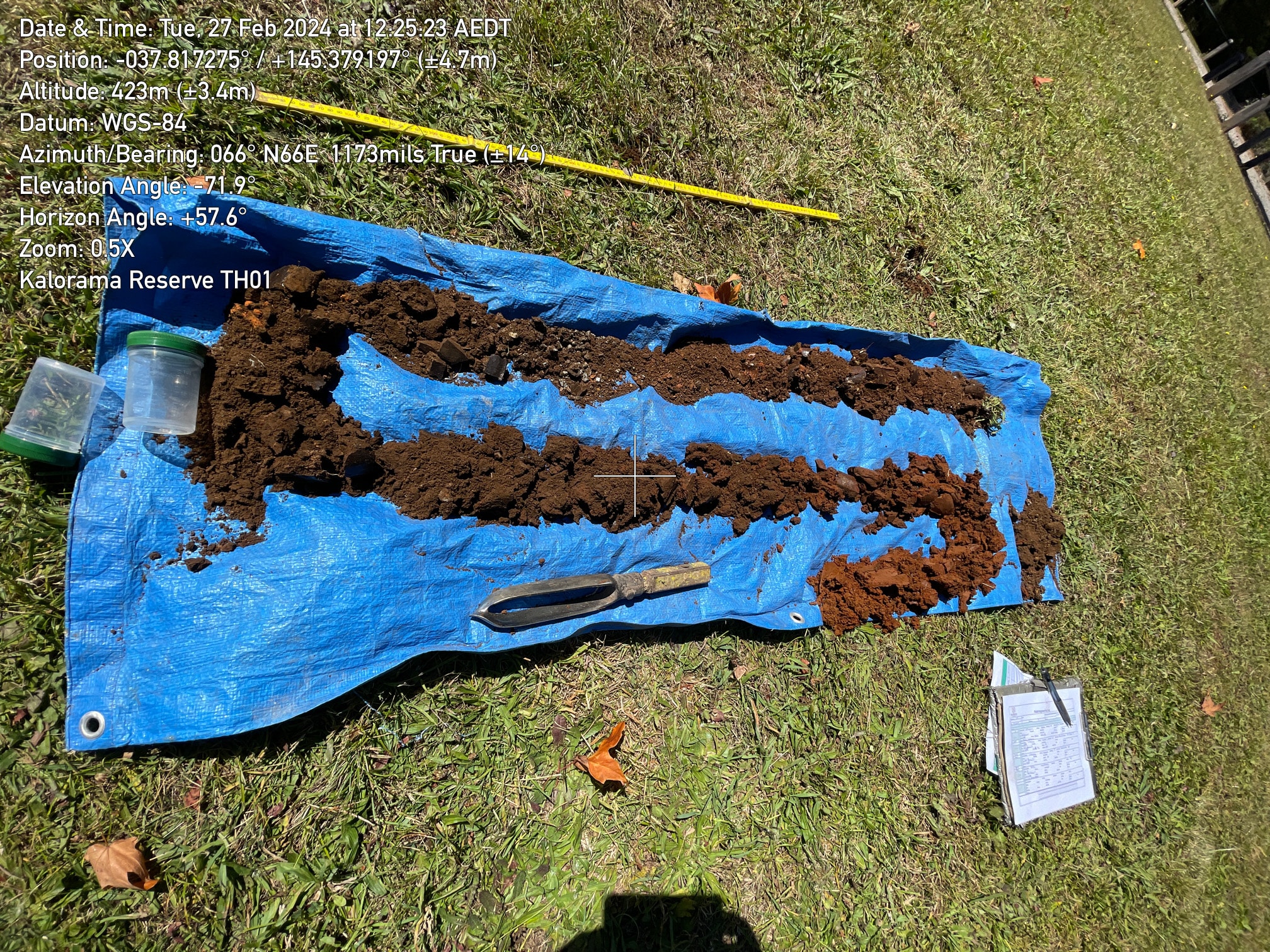
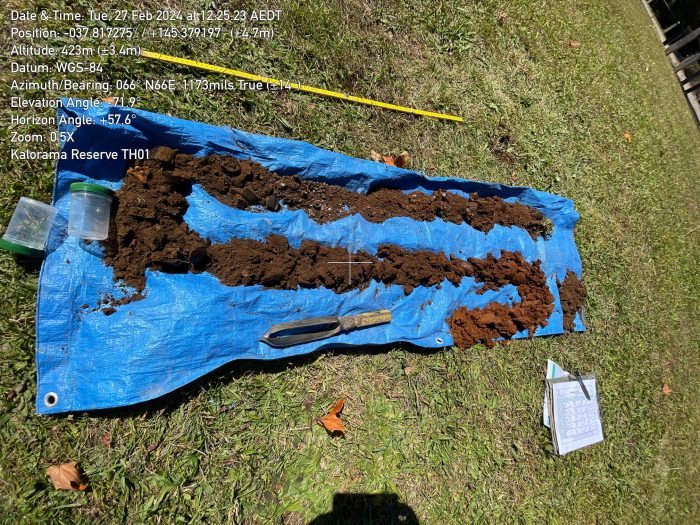
Soil type, structure, permeability, and depth are analysed to understand how well the soil can absorb and treat wastewater.
2. Site Slope and Topography
Steep slopes can increase runoff and system failure risks, while flatter land may offer more installation options.
3. Groundwater and Surface Water
The proximity of groundwater, streams, dams, or drainage lines is assessed to prevent contamination.
4. Climate and Rainfall
Local rainfall patterns affect soil saturation levels and wastewater absorption capacity.
5. Property Size and Layout
Available land area determines the type of septic system that can be installed and allows for future replacement zones.
Types of Septic Systems Recommended
Based on the findings of the assessment, suitable systems may include:
Conventional septic systems
Secondary treatment systems
Aerated wastewater treatment systems
Sand filter systems
Subsurface or surface irrigation systems
At Septic Land Capability Assessment, we recommend systems that are practical, compliant, and cost-effective for long-term use.
Who Needs a Septic Land Capability Assessment?
You will need a Septic Land Capability Assessment in Victoria if you are:
Building a new home in an unsewered area
Subdividing land
Applying for a planning permit
Replacing or upgrading an existing septic system
Developing rural or semi-rural property
Engaging a qualified consultant early in the planning process can save time, money, and unnecessary complications.
The Assessment Process Explained
Our assessment process is thorough, transparent, and council-ready:
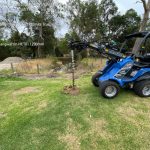
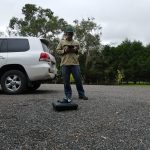
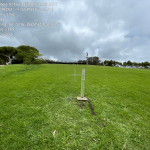
Site Inspection – A detailed on-site evaluation of soil, slope, and environmental features
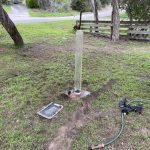
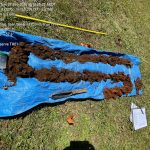
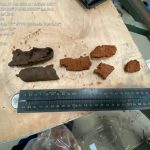
Soil Testing – Field and laboratory testing to determine soil suitability
Data Analysis – Evaluation of constraints and opportunities for wastewater management
System Recommendation – Selection of an appropriate treatment and disposal system
Council-Compliant Report – A professionally prepared report ready for submission
This structured approach ensures faster approvals and peace of mind for property owners.
Why Choose Septic Land Capability Assessment?
Choosing the right consultant makes all the difference. Septic Land Capability Assessment is trusted across Victoria for our:
In-depth local knowledge of council requirements
Accurate and easy-to-understand reports
Environmentally responsible system recommendations
Fast turnaround times
Ongoing support during council approval processes
We work closely with homeowners, builders, developers, and planners to ensure every project meets regulatory standards without unnecessary delays.
Common Mistakes to Avoid
Many property owners run into issues because they:
Use generic or outdated reports
Engage unqualified consultants
Ignore site limitations
Choose unsuitable septic systems
A professionally prepared Septic Land Capability Assessment helps avoid these costly mistakes and ensures long-term system performance.
Final Thoughts
A Septic Land Capability Assessment is more than just a regulatory requirement—it’s a vital step in protecting your investment, the environment, and public health. For anyone planning development in unsewered areas, especially in regional locations, professional guidance is essential.
If you’re looking for reliable and council-compliant Septic Land Capability Assessments in Victoria, trust the experts at Septic Land Capability Assessment. Our experience, accuracy, and commitment to quality make the approval process smoother and stress-free.