Septic Land Capability Assessments in Victoria and Land Capability Assessments in Victoria: A Practi
If your property is not connected to the sewer, any plan to build, extend, subdivide, or fix a septic system will sooner or later involve a document with a long name: a Land Capability Assessment, or LCA. This guide explains how septic land capability assessments in Victoria work, when you need one, and what to look for in a provider. It draws on the published material of Victorian Septic Land Capability Assessments, which provides land capability assessments in Victoria for on-site wastewater treatment systems across the state.
What a Land Capability Assessment Is
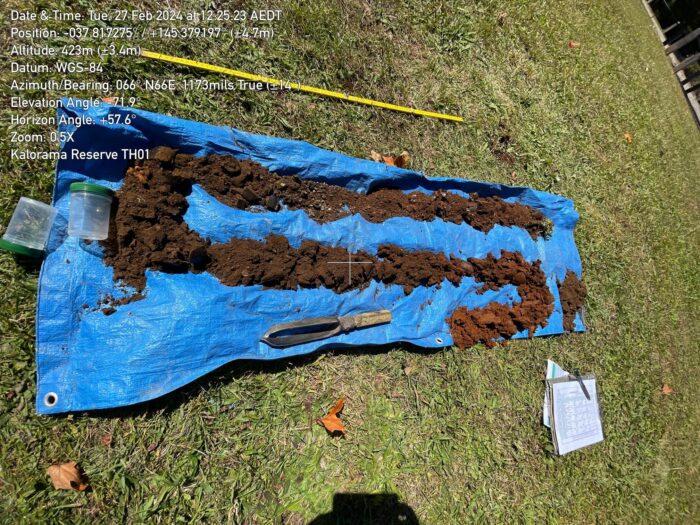
An LCA looks at whether a particular piece of land can safely treat and disperse the wastewater from a septic system. The provider describes its work as expert LCA reports to council about on-site wastewater treatment systems and effluent dispersal, delivering accurate, site-specific a
ssessments that determine soil suitability and environmental impact.
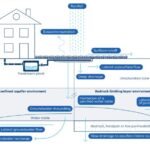
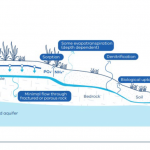
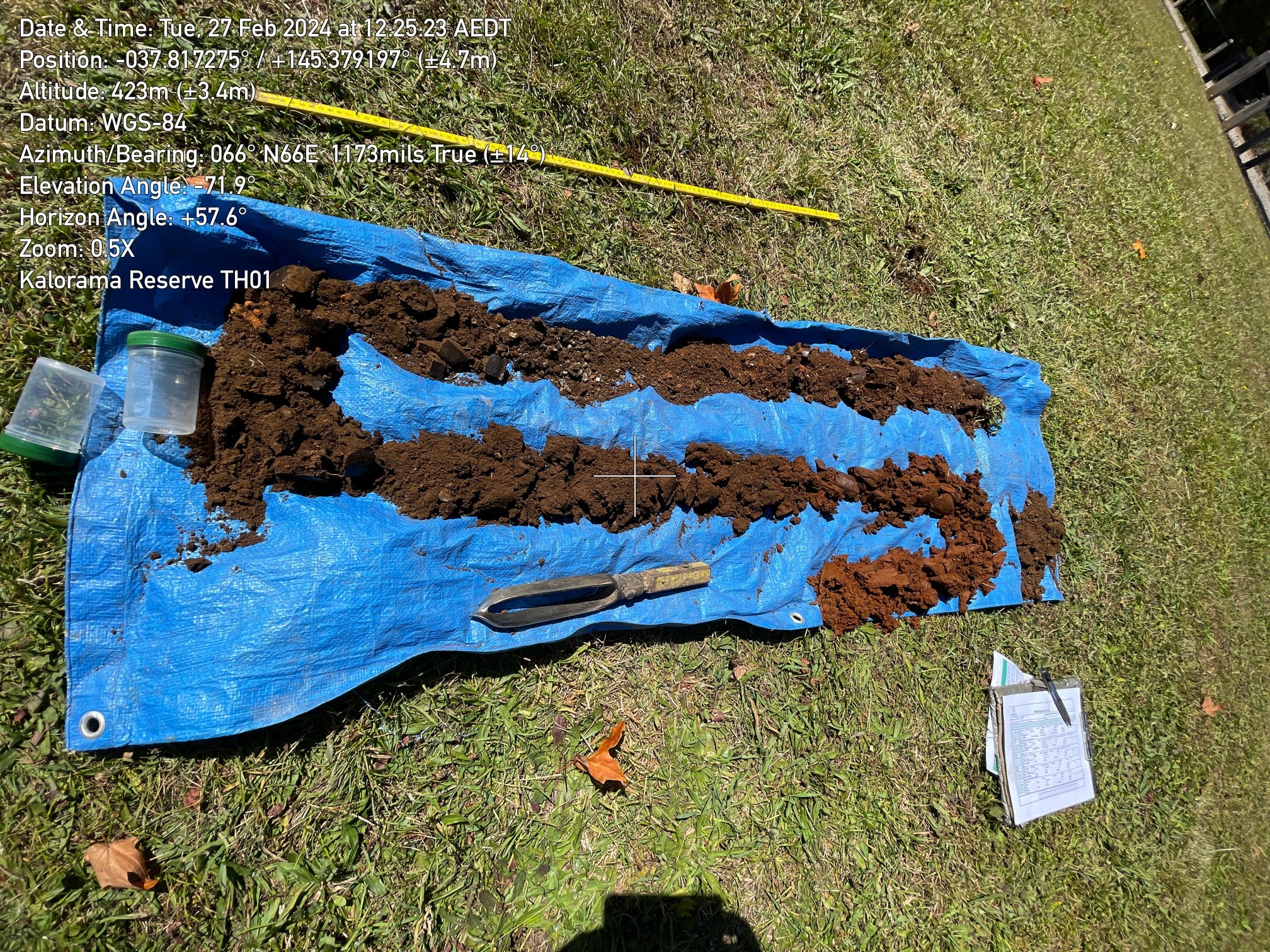
In practice, that means looking at the land itself, not just the tank. Soil, slope, drainage, and nearby waterways all affect whether effluent can be safely dispersed, and a system that works on one block may not work on the next.
Four Situations That Lead to an LCA
The company’s website organises its service around the situations in which clients actually need one:
- A failed septic system. If your system has failed, an LCA is needed to upgrade or replace it.
- A council request for information (RFI). Councils may ask for an LCA before approving an extension or new build.
- A commercial venture, smaller business, or proposed subdivision. These projects need an LCA to show the land can handle their wastewater.
- A professional project. Consultants, architects, planners, infrastructure managers, and developers often need one for client work.
If one of these describes you, an LCA is probably your next step.
What a Good LCA Delivers
The provider lists three qualities on its homepage: expert assessments that are professional and thorough, regulatory compliance, and timely, clear communication. It says its LCAs are:
- A thorough analysis of septic system suitability for the specific site
- An analysis of the septic system’s impact on the environment
- Assessments that ensure compliance with Australian Standards and EPA regulations
When you read any LCA proposal, check that it covers these three areas, and ask which guidelines the report follows and whether your council accepts it. Rules change, so confirm requirements with your council before you commission work.
Septic Land Capability Assessments Victoria-Wide
Victoria’s soils, climate, and terrain vary a lot, from the clay and sand around Melbourne’s fringes to coastal, alpine, and dry northern country. That variety is why a local, site-specific assessment matters. This provider describes its LCAs as available Victoria-wide and lists many Local Government Areas it works in, including Alpine, Ballarat, Bass Coast, Baw Baw, Campaspe, Colac Otway, East Gippsland, Greater Bendigo, Greater Geelong, Greater Shepparton, Latrobe, Macedon Ranges, Mildura, Mitchell, South Gippsland, Wangaratta, Wellington, and Wodonga, among others. Check its LCA Victoria Wide page for your council area.
How to Prepare for an Assessment
These are general tips, not a checklist published by the provider.
- Start early. An LCA can influence where a building or system goes, so it is best done before plans are fixed.
- Share any council letter. If you have received an RFI, give a copy to the assessor so the report answers the council’s questions.
- Gather what you have. Site plans, previous reports, and the number of bedrooms or expected usage help the assessor scope the job.
- Describe the project clearly. Explain whether it is a single house, an extension, a subdivision, or a business.
- Allow time. Fieldwork, analysis, and reporting take time, and council review takes more.
Understanding Cost
The provider does not publish a fixed price, because the cost depends on the site and the project. Factors that commonly affect price include access, property size, complexity, and the purpose of the assessment. It offers an obligation-free quotation, so ask for one in writing and check what it includes.
Choosing a Provider
When you compare providers, ask:
- Who does the work, and what are their qualifications?
- Do reports meet Australian Standards and EPA requirements?
- Will the report be accepted by my council?
- How quickly will you respond, and how will you keep me informed?
- What exactly is included in the quote?
A provider that answers these clearly is easier to work with, and the answers tell you a lot before you start.
After the Assessment
The LCA is not the end of the process. It informs the design of the wastewater system and supports your application to council. Once a system is installed, it needs regular maintenance to keep working, and costs vary with the type of system you choose. Ask your designer or installer about maintenance before you decide.
Getting Started
Victorian Septic Land Capability Assessments invites you to get in touch for an assessment. Call 0400 372 763 or email [email protected], and have your address, a site plan, and a description of your project ready.
Frequently Asked Questions
1. What is a Land Capability Assessment? An assessment of whether land can safely treat and disperse wastewater from an on-site system, covering soil suitability and environmental impact.
2. When do I need one? Common situations are a failed septic system, a council request for information for an extension or new build, a commercial venture or subdivision, or a professional project.
3. Do you provide assessments across Victoria? Yes. The provider describes its LCAs as Victoria-wide and lists many Local Government Areas on its website.
4. What will the assessment cover? A thorough analysis of septic system suitability, an analysis of environmental impact, and compliance with Australian Standards and EPA regulations.
5. Is it only for homeowners? No. It also covers commercial ventures, smaller businesses, subdivisions, and professional consultants, architects, planners, infrastructure managers, and developers.
6. How much does an LCA cost? The price depends on the site and project. The provider offers an obligation-free quotation.
7. Will my council accept the report? Confirm your council’s requirements first. The provider says its assessments ensure compliance with Australian Standards and EPA regulations.
8. How do I get in touch? Call 0400 372 763 or email [email protected].