Snow Rider: I came for one run and wrecked my ego
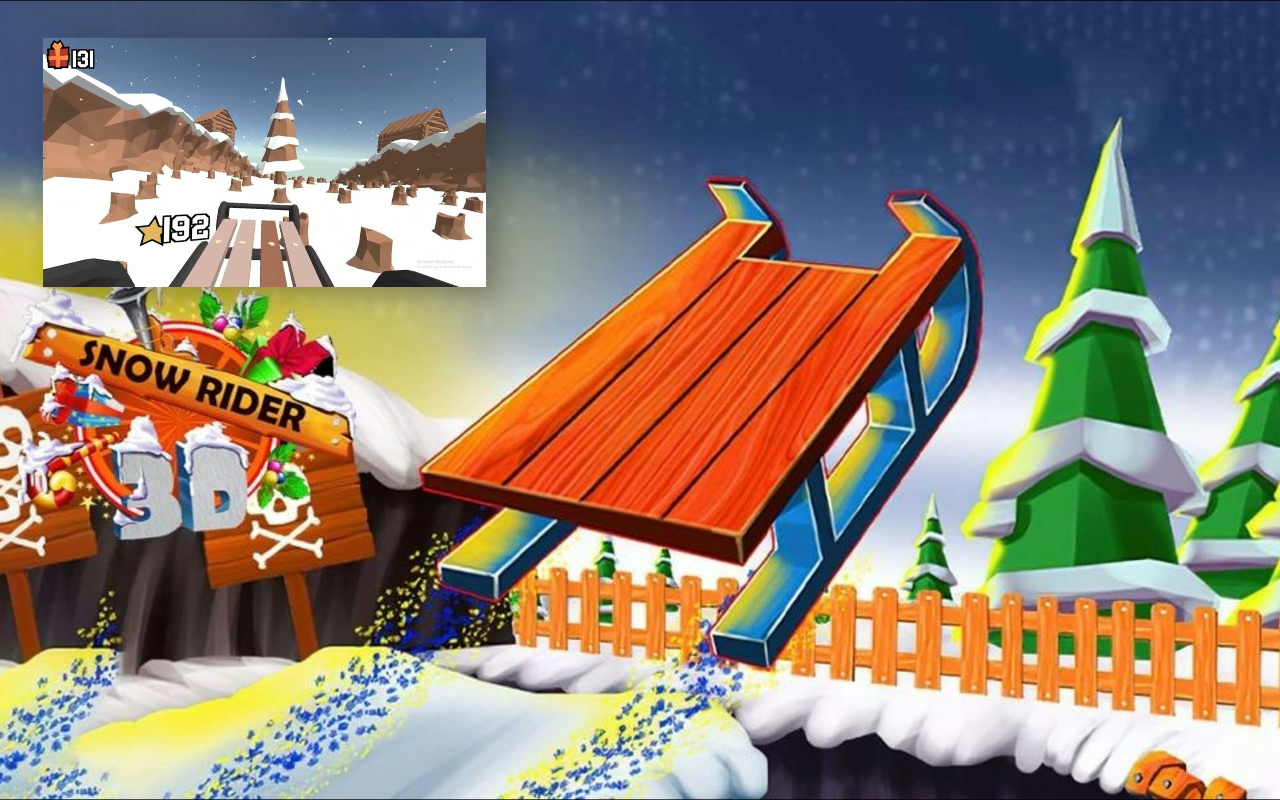
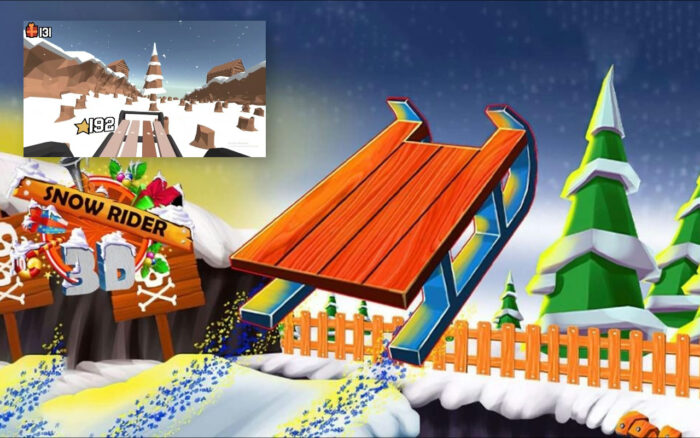
I opened Snow Rider expecting the kind of calm, wintery distraction where you glide down a slope and feel your shoulders loosen. You know, soothing stuff. Instead, I immediately met the true villain of winter sports: obstacles that appear exactly when I’m feeling cocky.
The first second felt great. The sled shoots downhill on its own, like it has somewhere important to be and I’m just the enthusiastic passenger with the steering responsibilities. I pressed the controls I always press in these situations, leaned into the vibe, and for a moment I believed I’d be one of those people who “naturally has reflexes.” Then the game tossed a tree into my path like it was personally offended by my confidence.
The controls are simple, the decisions are not
On desktop, it’s a browser game, so the whole thing feels lightweight and immediate. No downloads, no setup ritual, no “wait, why is my computer updating again.” I just start, grab the steering, and focus on surviving the next few seconds.
That’s where the fun gets mean.
The sled keeps moving downhill automatically, which means I can’t slow down or be strategic in the normal way. All I can do is steer. Left, right, dodge, commit, repeat. It sounds simple when you say it out loud, but when a rock slides into your line of sight, your brain stops being a brain and starts being a panicked toddler trying to steer a shopping cart through a maze.
I’d make a move to avoid something, get a brief sense of victory, and then realize I’d dodged one obstacle straight into the path of the next. I swear I’ve never seen a more efficiently cruel chain reaction in a downhill racing game. It’s like the slope is saying, “Nice try. Now try again, but worse.”
And yes, trees show up. Rocks show up too, and they tend to feel bigger when you’re focused on dodging at full speed. Snowmen also make an appearance in my runs, which is emotionally confusing because I don’t think snowmen should be part of an obstacle course. Fences show up as well, and they’re the kind of obstacle that punishes even slight hesitation. If I hesitate, I collide. If I commit too hard, I collide somewhere else. Basically, I become a victim of my own steering philosophy.
How a tiny mistake turns into a full comedy routine
What gets me is the timing. Obstacles don’t always give you a lot of runway, so you’re making split second decisions while your body is still catching up to what your eyes just saw. Sometimes I swear I’m clear, and then, right at the last possible moment, a snowball or another obstacle rolls in like, “Surprise. You’re still not safe.”
My favorite (worst) moments are the ones where I dodge “successfully” for half a second, then immediately run into something right after. I’ll do that thing where I lift my hands slightly off the controls like I’ve prevented disaster, only to watch the sled hit another object before my brain can even process the sound effect. Then I laugh, because what else can you do? My self control is basically an open internet tab.
When I finally lose a run, it’s not dramatic. It’s more embarrassing than anything, like I got outplayed by winter-themed props. And then of course I restart. Because the only thing worse than dying on the slope is dying and thinking, I could’ve done that differently. I could’ve steered earlier. I could’ve stayed in the safer lane. I could’ve stopped trying to “correct” at the last second like I’m driving in a snowstorm with confidence issues.
The best part is learning while you fail
After a few attempts, I started picking up little practical lessons without meaning to. Looking a bit farther ahead helps a lot, because if I focus only on the obstacle right in front of me, I start making twitchy moves that create more problems than they solve. Staying calm matters too, even when it feels like the game is throwing obstacles close together just to test whether I can keep my brain from sprinting off a cliff.
I also noticed that sudden unnecessary movements are basically an invitation for the sled to punish me. The more controlled my steering is, the longer I survive, and the more “smooth” it feels. That contrast is funny to me: the game looks simple and bright, but the concentration required to last longer is real. It’s like a winter version of those arcade challenges where the controls are easy, and the pressure is the point.
I keep coming back to Snow Rider because it makes me want one more run immediately after the last one, like curiosity is pushing my finger toward the restart button. If you’ve got even a few minutes, try it on your computer and see how long your “quick break” lasts before you start muttering things like, “Okay, next time I’ll do better.” And then you’ll absolutely test that theory—just at full speed, with snowmen judging your steering choices the whole way down.