Solar Panel Installation for Your Home: A Practical Guide for UK Homeowners
Electricity bills have become a regular source of worry for many households, and more people are asking whether rooftop solar is worth it. The honest answer depends on your roof, your energy use, and the quality of the installation. This guide walks through how solar panel installation works, what to check before you commit, and what to expect when you arrange a solar installation in your home.
Why Homeowners Are Choosing Solar
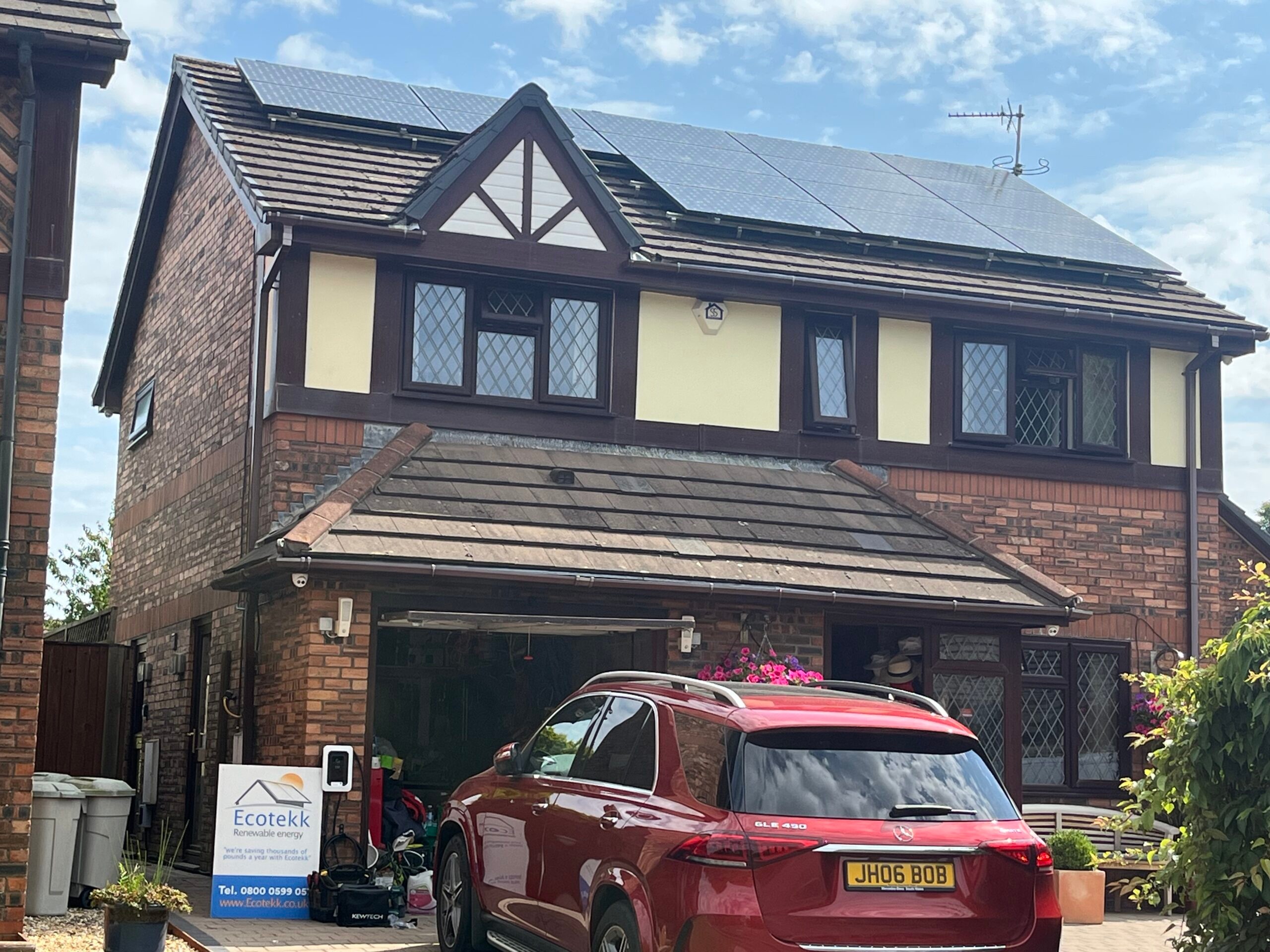
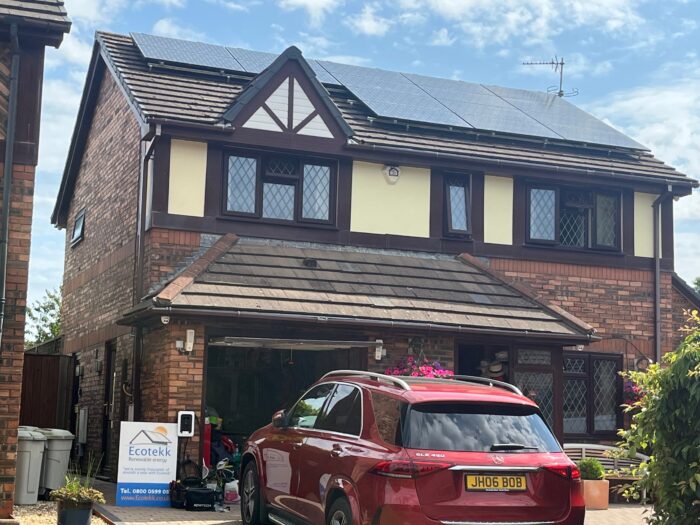
Solar PV (photovoltaic) panels convert daylight into electricity you can use in your own home. Even on cloudy days, panels generate some power, which is why solar works well in the UK.
The main attractions are straightforward:
- Lower electricity bills. Every unit you generate and use is a unit you do not buy from your supplier.
- Reduced carbon footprint. Solar electricity produces no emissions while generating.
- Greater energy independence. You become less exposed to price rises on the electricity you generate.
- Added appeal. Many buyers value homes with lower running costs.
Ecotekk describes solar PV as the most affordable way to power a home, saying it is reliable, cuts household CO2 emissions, and pays for itself quickly. Payback times vary from home to home, so ask for a personalised estimate rather than relying on general figures.
What Does a Home Solar System Include?
A typical domestic system has several parts working together:
- Solar panels, usually mounted on the roof, which generate direct-current electricity.
- An inverter, which converts that electricity into the alternating current your home uses.
- Mounting equipment, which secures the panels safely to the roof.
- Wiring and safety equipment, including isolators and a generation meter.
- Optional battery storage, which stores surplus daytime electricity for use in the evening.
- Optional EV charging, if you drive or plan to drive an electric vehicle.
Ecotekk’s range covers panels, inverters, batteries, and EV chargers, so these components can be planned together.
Is Your Home Suitable?
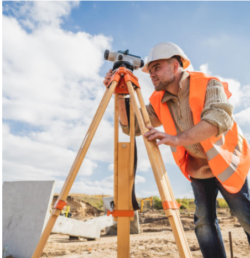
Before any work begins, a surveyor or designer should assess your property. The main factors are:
- Roof direction. South-facing roofs are generally best, though east- and west-facing roofs can still perform well.
- Roof condition. The roof should be sound, since panels stay in place for many years.
- Shading. Trees, chimneys, or nearby buildings can reduce output.
- Roof space. The available area affects system size.
- Your energy use. If you are home during the day or run an electric vehicle, you can use more of what you generate.
- Electrical set-up. Your consumer unit and supply need to suit the new system.
A free, no-obligation survey and quotation helps you see these factors clearly before you decide.
The Installation Process Step by Step
While every home is different, the process usually follows a similar path:
- Consultation and design. You discuss your goals, energy use, and budget, and a system is designed for your property.
- Quotation. You receive a written quote covering equipment, installation, and any extras.
- Survey and planning. A technical check confirms the roof, electrics, and any access requirements such as scaffolding.
- Installation. Qualified installers fit the panels, inverter, and wiring. Many domestic installations take a few days, depending on size.
- Testing and commissioning. The system is tested, and you are shown how to monitor it.
- Paperwork. Certificates and guarantees are provided, and your network operator is notified where required.
- Aftercare. You have support if you have questions or issues later.
What to Check Before Choosing an Installer
The quality of the installer matters as much as the quality of the panels. Before signing anything, ask about:
- Accreditation. Ask which schemes the installer belongs to and request proof. Accreditation can affect your eligibility for certain payment schemes for exported electricity.
- Qualified installers. Confirm who will actually carry out the work.
- Guarantees. Ask about product warranties and workmanship guarantees, and who stands behind them.
- Clear quotations. Make sure the quote lists equipment brands, system size, and exactly what is included.
- References and reviews. Customer feedback gives a realistic picture of service.
- Aftercare. Check what support is available once the system is running.
Finance and Costs
Solar is a significant upfront investment, so many households look at finance. Ecotekk states that finance is available. It is an Introducer Appointed Representative of Phoenix Financial Consultants Limited, which is a credit broker rather than a lender, and all finance is subject to status and credit checks. As with any credit agreement, compare the total cost and terms carefully.
Government schemes, tax treatment, and export payment arrangements change from time to time, so check current rules and ask your installer how they apply to your property.
Getting the Most From Your System
Once your panels are installed, a few habits can boost your savings:
- Use electricity during the day where possible, for example by running the dishwasher or washing machine when the sun is out.
- Consider a battery if you are out during the day and use more power in the evening.
- Monitor your generation through the inverter app or display to spot any drop in performance.
- Keep panels clear of debris and check them periodically.
- Plan for the future. If you may buy an electric vehicle or add a heat pump, mention it when your system is designed.
About Ecotekk
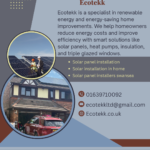
Ecotekk is a South Wales-based renewable energy and home improvement company with an address in Neath. It describes itself as the micro generation and energy-saving home improvement experts, offering solar PV, air source heat pumps, solid wall insulation, solar hot water, glazing, and more under one roof. This can save homeowners the effort of finding several contractors to modernise their home. The company highlights a free design and quotation service, fully qualified craftsmen and technicians, and finance options, along with customer testimonials from households in Neath, Cardiff, and Caerphilly.
You can reach the team on 08000 599057 or 01639 710092, or by email at [email protected].
Final Thoughts
A well-planned solar system can lower bills and cut emissions for decades, but only if it is designed for your home and installed properly. Take the time to understand your roof, compare quotes, and check accreditation and guarantees. If you are ready to explore solar panel installation, or want to find out what a solar installation in your home would involve, request a free quotation from Ecotekk and ask any questions before you commit.
Frequently Asked Questions
1. How does solar panel installation work?After a consultation and design, qualified installers fit panels, an inverter, and wiring to your roof, then test and commission the system.
2. Do solar panels work on cloudy days?Yes. Panels generate less in cloudy conditions but still produce electricity in daylight.
3. How long does installation take?It depends on system size and roof access, but many domestic systems take a few days. Your installer will confirm timings.
4. Do I need a battery?Not necessarily. A battery stores surplus electricity for later use and can be added now or in the future.
5. Does Ecotekk offer free quotes?Ecotekk’s website advertises a free design and quotation service with no obligation.
6. Is finance available?Ecotekk states that finance is available through Phoenix Financial Consultants, subject to status and credit checks.
7. How do I contact Ecotekk?Call 08000 599057 or 01639 710092, email [email protected], or use the contact page on the website.