TIS Instruments (S) Pte Ltd: Calibration That Goes Where the Instruments Are
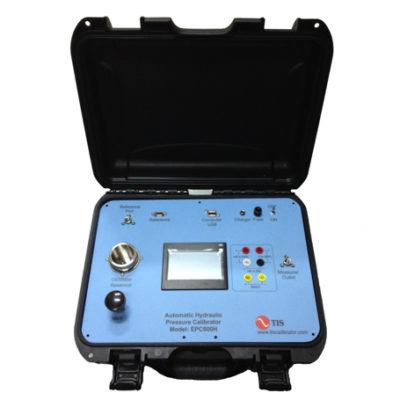
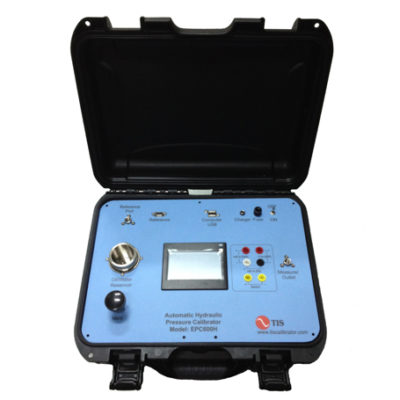
Pressure instruments rarely sit in a tidy laboratory. They are on pipes, tanks, panels and machines, often in awkward corners of a plant or on a remote site. When one of them needs checking, the technician has two choices. Take it down and carry it back to the workshop, or bring the calibration tools to it. The second option saves time and avoids shutting down a process for longer than necessary. That is why a portable Electric Pressure Calibrator has become a popular tool for service teams. A compact Electric Pump Pressure Calibrator goes one step further by creating its own pressure, so there is no need to carry a separate pump or gas cylinder. TIS Instruments (S) Pte Ltd designs and builds tools for exactly this kind of work.
The Problem with Traditional Setups
A traditional pressure calibration setup is a collection of separate pieces. There is a reference gauge, a hand pump or a gas bottle, a set of hoses and fittings and a notebook for the results. Each piece has to be packed, carried and connected correctly. In the field, that can mean heavy bags, loose parts and a lot of manual effort.
Hand pumps also take time and skill. The technician must raise pressure slowly, stop at each test point and fine-tune the pressure until it settles. On a busy day with many instruments to check, this adds up to hours of repetitive work. Fatigue also leads to errors, especially at the end of a long shift.
Why Portable Tools Help
A portable calibrator brings the reference and the pressure source into one unit. The technician connects the instrument under test, selects the pressure points and reads the results on a clear digital display. Fewer parts mean fewer things to forget and fewer connections that can leak.
The advantages are practical. Setup is faster, because there is less equipment to assemble. Results are more consistent, since the same device generates and measures pressure. The technician can carry out more checks in a day, which reduces downtime. And safety improves, because there are fewer heavy items and loose hoses to manage.
How an Electric Pressure Calibrator Works
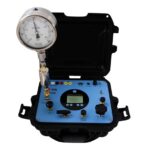
An Electric Pressure Calibrator combines a precise digital reference with an internal source of pressure that is driven by electricity rather than muscle. The technician connects the instrument, sets the target pressure and lets the unit build and hold it. The reference reading appears on the display, so the technician can compare it with the instrument under test.
The benefits go beyond convenience. Stable pressure at each test point improves accuracy, because readings are taken when everything has settled. The process is repeatable, so the same procedure can be run on many instruments in the same way. And the technician can focus on checking the device, not on working a pump.
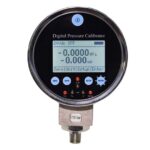
TIS Instruments (S) Pte Ltd offers several models with this approach. Stated accuracy reaches 0.025% of full scale on several units, with 0.01% available as an option on selected versions, which suits demanding applications.
The Role of a Built-In Pump
Some calibrators rely on an external source of pressure, such as a hand pump or a gas bottle. Others have the source inside. An Electric Pump Pressure Calibrator generates pressure on its own, so the technician needs only the unit, the right fittings and a power source such as a battery.
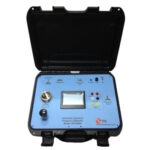
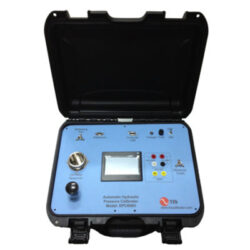
The EPC300 is one example. It is a portable unit with a built-in electric pump that generates pressure internally, up to 30 bar, and offers six-digit resolution with a data interface for connecting to a computer. For field technicians, this means that one compact tool can cover a wide range of everyday gauge, transmitter and switch checks, without any extra pressure source.
Built-in pumps are particularly helpful in places where gas bottles are not allowed or are difficult to carry, such as on rooftops, in crowded plant rooms or on elevated platforms. They also reduce the cost and effort of keeping supplies of bottled gas.
Choosing the Right Unit
Several questions help you choose a suitable model. What is the highest pressure you need to generate? A calibrator should comfortably cover the range of the instruments you test, with some margin. What accuracy do your instruments require? The reference should be noticeably better than the device under test. What media are involved? Most portable electric units are intended for air or gas, while liquid work needs a hydraulic model. How portable does the tool need to be? Consider weight, battery life and carrying cases. And do you need to connect it to software for logging? A data interface can help with records and audits.
Answering these questions before you buy avoids paying for features you do not need or missing ones that you do.
Using the Calibrator Well
Good tools still need good habits. Check fittings and hoses before every job, since a small leak can ruin a test. Allow the instrument and the calibrator to settle at room temperature before you begin. Raise pressure slowly towards each test point and let it stabilise before recording readings. Do not exceed the rated pressure of the instrument under test or of the calibrator. Record as-found and as-left values, so you can see how instruments drift over time. And keep the calibrator itself calibrated on a regular schedule, since it is your reference.
Traceability and Records
For many organisations, proof matters as much as accuracy. Customers and auditors often ask for calibration certificates that show the reference is traceable to national or international standards. A clear record usually includes the date, the equipment used, the readings at each point, the allowed limits and the result.
TIS Instruments (S) Pte Ltd, based in Singapore and active since 1999, provides calibration services for pressure and temperature instruments, using references traceable to recognised standards such as NIST and NPL. It also offers after-sales repair and upgrade services for its instruments, and repairs many other types of electronic instruments.
A Wider Calibration Range
Field tools are only part of the picture. The company also offers automatic pneumatic and hydraulic calibrators, digital pressure indicators and test gauges, temperature calibrators, barometer calibrators, tachometer calibrators, test benches, accessories and customised products. That breadth helps facilities that calibrate several kinds of instruments, since they can source related equipment and services from one supplier.
Who Uses These Tools
Portable calibrators suit many sectors, including manufacturing, oil and gas, power generation, marine, HVAC and instrumentation service companies. Anywhere that pressure is measured and controlled, someone has to check the instruments, often on site. A compact Electric Pressure Calibrator is a practical companion for those teams.
Why Choose TIS Instruments (S) Pte Ltd
The company offers more than two decades of experience in pressure and calibration equipment. It provides a broad range, from portable electric units to automatic and hydraulic systems. It supports customers with calibration and repair services. It uses references traceable to recognised standards. And it can supply customised products for special requirements.
Frequently Asked Questions
1. What pressure range can the EPC300 generate?It generates pressure internally up to 30 bar.
2. How accurate are the calibrators?Stated accuracy reaches 0.025% of full scale on several models, with 0.01% available as an option.
3. Do you provide calibration services?Yes, pressure and temperature instruments are calibrated using references traceable to recognised standards.
4. Can instruments be repaired or upgraded?Yes, after-sales repair and upgrade services are offered.
5. Are customised products available?Yes, customised products are part of the range.
Conclusion
Calibration works best when it is easy to do, and easy to repeat. By bringing the reference and the pressure source into one portable unit, technicians can check more instruments in less time and with fewer errors. With a broad range, traceable services and over two decades of experience, TIS Instruments (S) Pte Ltd supports teams that need dependable measurements in the field. If you are planning to upgrade your toolkit, an Electric Pump Pressure Calibrator is a practical place to start.
Visit Tiscalibrator.com to explore the range and request a quote.