What Happens During Teeth Scaling?
What Happens During Teeth Scaling?
Healthy teeth and gums are essential for maintaining a beautiful smile and good overall health. While brushing and flossing are important daily habits, they cannot always remove hardened plaque and tartar that build up over time. These deposits can lead to gum disease, tooth decay, and bad breath if left untreated. Professional teeth scaling is a preventive dental procedure designed to remove these harmful substances and protect your oral health.
Many patients feel nervous before their appointment because they are unsure what the procedure involves. Understanding what happens during Teeth Scaling in Islamabad can help you feel more confident and prepared. The treatment is straightforward, safe, and performed using modern dental equipment to provide effective cleaning with minimal discomfort.
What Is Teeth Scaling?
Teeth scaling is a professional dental cleaning procedure that removes plaque, tartar, and bacteria from the surface of the teeth and beneath the gumline. Unlike routine brushing, which only removes soft plaque, scaling eliminates hardened tartar that cannot be cleaned at home.
The treatment is commonly recommended during routine dental checkups and plays an important role in preventing gum disease while maintaining healthy teeth.
Why Is Teeth Scaling Necessary?
Plaque naturally forms on your teeth every day. If it is not removed through proper brushing and flossing, it hardens into tartar.
Tartar creates a rough surface that attracts more bacteria, increasing the risk of:
- Gum inflammation
- Bleeding gums
- Persistent bad breath
- Tooth decay
- Gingivitis
- Periodontal disease
Professional scaling removes these harmful deposits before they lead to more serious dental problems.
Initial Dental Examination
The first step of the appointment is a complete examination of your teeth and gums.
The dentist carefully checks for:
- Plaque accumulation
- Tartar buildup
- Gum inflammation
- Signs of gum disease
- Tooth sensitivity
- Other oral health concerns
If necessary, dental X-rays may be recommended to evaluate the condition of the teeth and supporting bone.
This examination allows the dentist to determine the most suitable cleaning approach.
Removing Plaque and Tartar
The main stage of teeth scaling involves removing plaque and hardened tartar.
Dentists use specialized instruments such as:
- Ultrasonic scalers
- Manual scaling instruments
- Dental curettes
Ultrasonic scalers use gentle vibrations combined with a flow of water to loosen tartar from the tooth surface. The water also helps wash away bacteria and debris throughout the procedure.
Manual instruments are then used to remove remaining deposits from areas requiring more detailed cleaning.
The dentist carefully cleans:
- Front tooth surfaces
- Back teeth
- Between the teeth
- Around the gumline
- Below the gums if necessary
This thorough cleaning helps restore healthier gums and cleaner teeth.
Cleaning Below the Gumline
If plaque and tartar have extended beneath the gums, additional cleaning may be required.
This step removes bacteria from periodontal pockets, reducing inflammation and helping the gums heal.
Patients with early gum disease often benefit significantly from this deeper cleaning because it helps stop the progression of periodontal disease.
Teeth Polishing
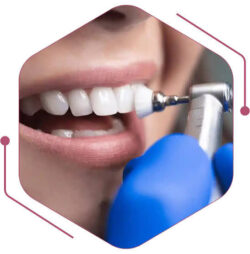
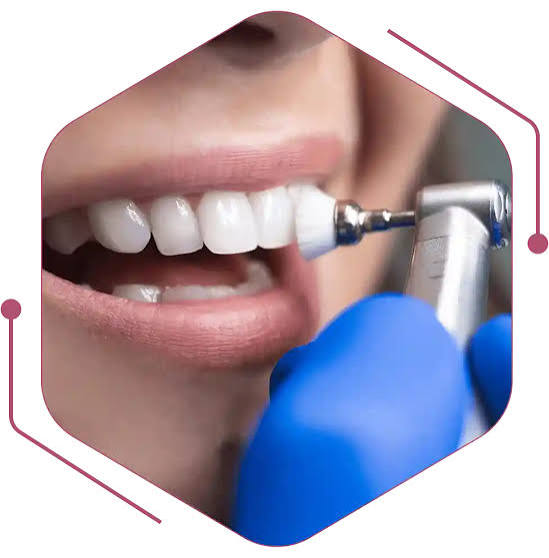
After scaling is complete, the teeth are polished using a professional polishing paste and a rotating polishing tool.
Polishing offers several benefits:
- Smooths the tooth surfaces
- Removes light surface stains
- Reduces future plaque attachment
- Improves the appearance of the teeth
Patients often notice that their teeth feel exceptionally smooth after this stage.
Final Oral Health Assessment
Before the appointment ends, the dentist performs a final examination to ensure all plaque and tartar have been removed successfully.
The gums are evaluated to check for any remaining signs of inflammation or bleeding.
This final assessment ensures the treatment has been completed effectively.
Personalized Oral Hygiene Advice
One of the most valuable parts of the appointment is the guidance patients receive afterward.
The dentist may recommend:
- Proper brushing techniques
- Daily flossing
- Fluoride toothpaste
- Antibacterial mouthwash if needed
- Dietary improvements
- Regular dental checkups
These recommendations help maintain the results of the treatment and reduce future plaque buildup.
Is Teeth Scaling Painful?
Many patients worry about discomfort during professional cleaning.
Fortunately, routine teeth scaling is generally not painful.
Most people experience only:
- Mild pressure
- Gentle vibrations
- Slight scraping sensations
Patients with inflamed gums or heavy tartar buildup may notice temporary sensitivity, but this usually improves quickly after treatment.
If deeper cleaning is necessary, local anesthesia may be used to improve patient comfort.
How Long Does the Procedure Take?
A routine teeth scaling appointment usually takes 30 to 60 minutes, depending on the amount of plaque and tartar present.
Patients requiring deep cleaning or treatment for advanced gum disease may need longer appointments or multiple visits.
Your dentist will explain the expected treatment plan after examining your oral health.
What Happens After Teeth Scaling?
Recovery is generally simple and quick.
Some patients experience temporary:
- Mild tooth sensitivity
- Gum tenderness
- Slight bleeding
- Sensitivity to cold drinks
These symptoms usually disappear within a day or two as the gums begin to heal.
Most people can return to their normal daily activities immediately after the appointment.
Benefits of Professional Teeth Scaling
Professional scaling provides several long-term advantages for your oral health.
Some important benefits include:
- Removes plaque and tartar
- Improves gum health
- Reduces bad breath
- Helps prevent gum disease
- Lowers the risk of tooth decay
- Removes many surface stains
- Keeps teeth feeling smooth and clean
- Supports long-term oral health
Regular preventive care also reduces the likelihood of requiring more complex dental procedures later.
Maintaining Results at Home
To keep your teeth healthy after scaling, maintain a consistent oral hygiene routine.
Simple daily habits include:
- Brush twice every day.
- Floss once daily.
- Drink plenty of water.
- Limit sugary snacks and beverages.
- Avoid smoking.
- Visit your dentist every six months.
Good home care helps prevent plaque from turning into tartar again.
Conclusion
Understanding what happens during Teeth Scaling in Islamabad can help patients feel more comfortable about the procedure. The treatment involves a thorough dental examination, professional removal of plaque and tartar, cleaning below the gumline when necessary, teeth polishing, and personalized oral hygiene guidance. Each step is designed to improve gum health, reduce bacteria, and protect your natural teeth.
Professional teeth scaling is a safe, effective, and preventive dental treatment that supports long-term oral health. Combined with regular brushing, flossing, and routine dental checkups, it helps maintain cleaner teeth, healthier gums, fresher breath, and a confident smile for years to come.